
Korva rescues the ideas worth keeping from podcasts. Each one becomes a Card.
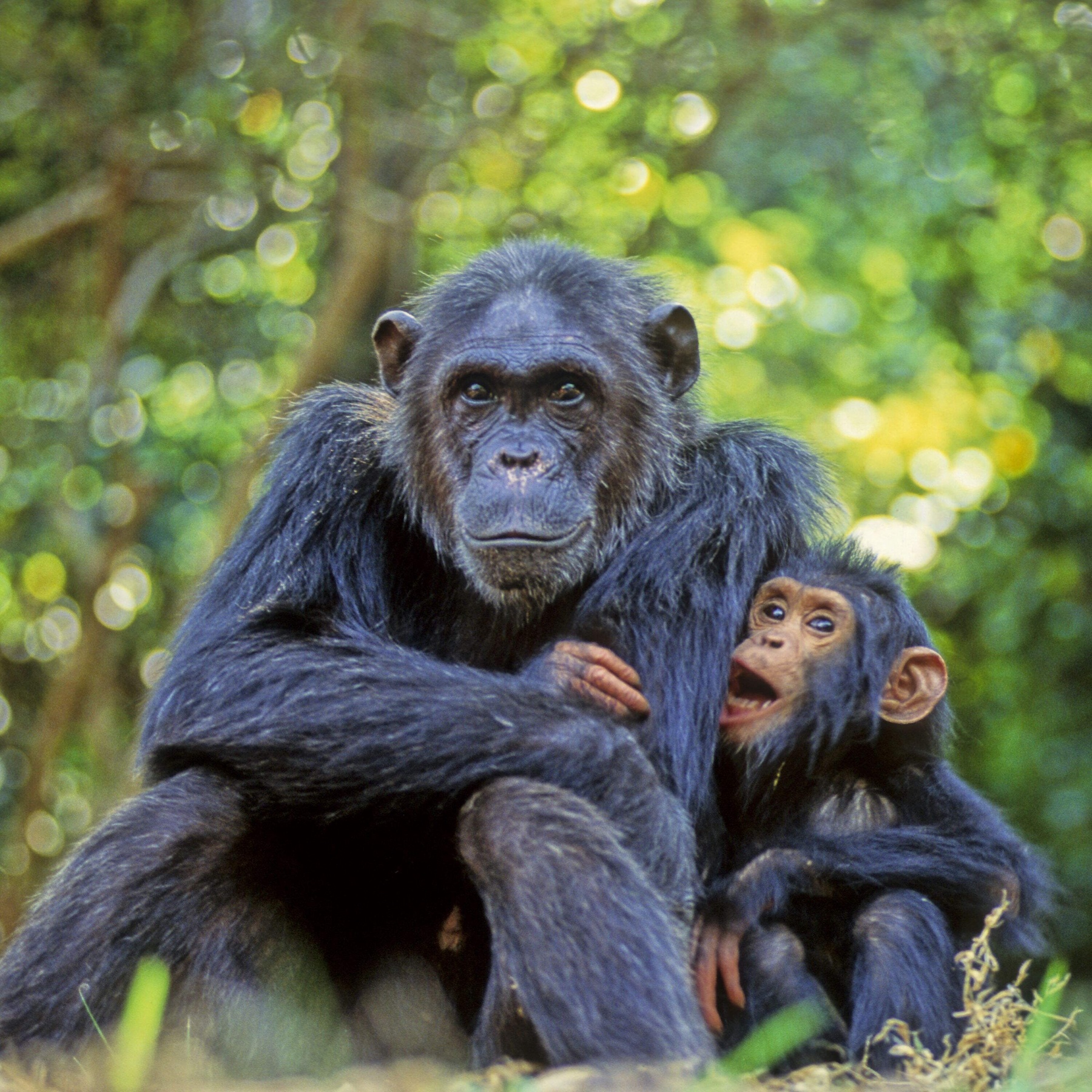
Michael Huffman’s bitter leaf chemicals have been shown to inhibit tumor growth in studies of various cancers.
An infected monarch mother uses toxic milkweed to medicate offspring that inherit her parasites, not herself.
Some ants chew injured nestmates' limbs off with their mandibles to stop infection spreading through the colony.
Birds rub ants across their feathers, making them spray formic acid that kills lice.
In flight cages, parasite-infected monarchs laid substantially more eggs on toxic milkweed than healthy monarchs.
Florida carpenter ants perform life-saving amputations on nestmates with infected wounds.
In 1987, Michael Huffman watched sick chimpanzee Chausiku peel, chew, and suck bitter leaf while spitting out its toxic fibers.
Bitter leaf contained about 13 chemicals new to science, and proving its medicinal use took Michael Huffman roughly a decade.
Monarch mothers lay eggs on toxic milkweed, giving future caterpillars toxins that repel predators after metamorphosis.
Studying chimpanzees in Uganda led scientists to discover two antimalarial compounds new to science.
Buffalos, elephants, primates, birds, and dolphins use dirt, ants, corals, or sponges as possible treatments.
Sheep and goats can self-medicate, so pastures should offer diverse medicinal plants and foods instead of relying on antibiotics.
Bring your next episode to Korva.
Turn podcast episodes into Cards you can save, explore, and find again.