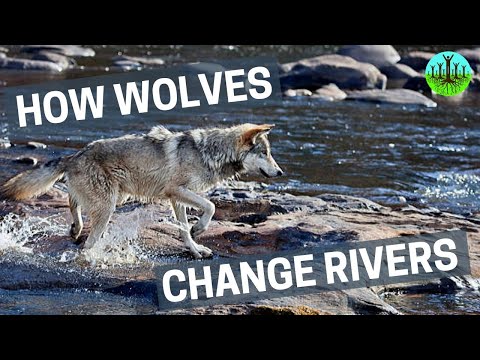
- A small number of top predators can reshape ecosystems and landscape-scale geography because their top-down effects alter species behavior and vegetation, which then changes geomorphology through reduced erosion and stabilized banks.
@nature· EcosystemsA small number of top predators can reshape ecosystems and landscape-scale geography because their top-down effects alter species behavior and vegetation, which then changes geomorphology through reduced erosion and stabilized banks.
- Regenerating forests and shrubs rooted soils on valley sides and banks, which reduced erosion and bank collapse and caused rivers to narrow, meander less, and form more pools and riffles.
@nature· EcosystemsRegenerating forests and shrubs rooted soils on valley sides and banks, which reduced erosion and bank collapse and caused rivers to narrow, meander less, and form more pools and riffles.
- Wolf kills and leftover carcasses supplied food for ravens, eagles, and bears, and combined with more berries and weakened deer calves this extra resource base helped bear numbers rise.
@nature· EcosystemsWolf kills and leftover carcasses supplied food for ravens, eagles, and bears, and combined with more berries and weakened deer calves this extra resource base helped bear numbers rise.
- By killing coyotes, wolves lowered mesopredator pressure, which allowed rabbits and mice to increase and in turn supported more hawks, weasels, foxes, and badgers.
@nature· EcosystemsBy killing coyotes, wolves lowered mesopredator pressure, which allowed rabbits and mice to increase and in turn supported more hawks, weasels, foxes, and badgers.
- More woody vegetation gave beavers extra food and building material, which allowed beaver populations to grow and build dams that created pools and wetlands, generating new aquatic habitats.
@nature· EcosystemsMore woody vegetation gave beavers extra food and building material, which allowed beaver populations to grow and build dams that created pools and wetlands, generating new aquatic habitats.
- As trees and shrubs became taller and denser, they provided nesting sites and food, which attracted many more songbirds and migratory birds to those recovering habitats.
@nature· EcosystemsAs trees and shrubs became taller and denser, they provided nesting sites and food, which attracted many more songbirds and migratory birds to those recovering habitats.
- When deer avoided certain areas, saplings stopped being constantly browsed, which let trees and shrubs survive and grow much faster—tree height in some spots surged within a few years.
@nature· EcosystemsWhen deer avoided certain areas, saplings stopped being constantly browsed, which let trees and shrubs survive and grow much faster—tree height in some spots surged within a few years.
- Wolves changed Yellowstone more by inducing fear than by sheer kills because deer avoided risky valleys and gorges, which reduced grazing there and allowed plant communities to recover.
@nature· EcosystemsWolves changed Yellowstone more by inducing fear than by sheer kills because deer avoided risky valleys and gorges, which reduced grazing there and allowed plant communities to recover.
1 more insight from this video in the app
Every card on Korva is an insight someone saved from a podcast or video they loved.