Korva rescues the ideas worth keeping from podcasts. Each one becomes a Card.
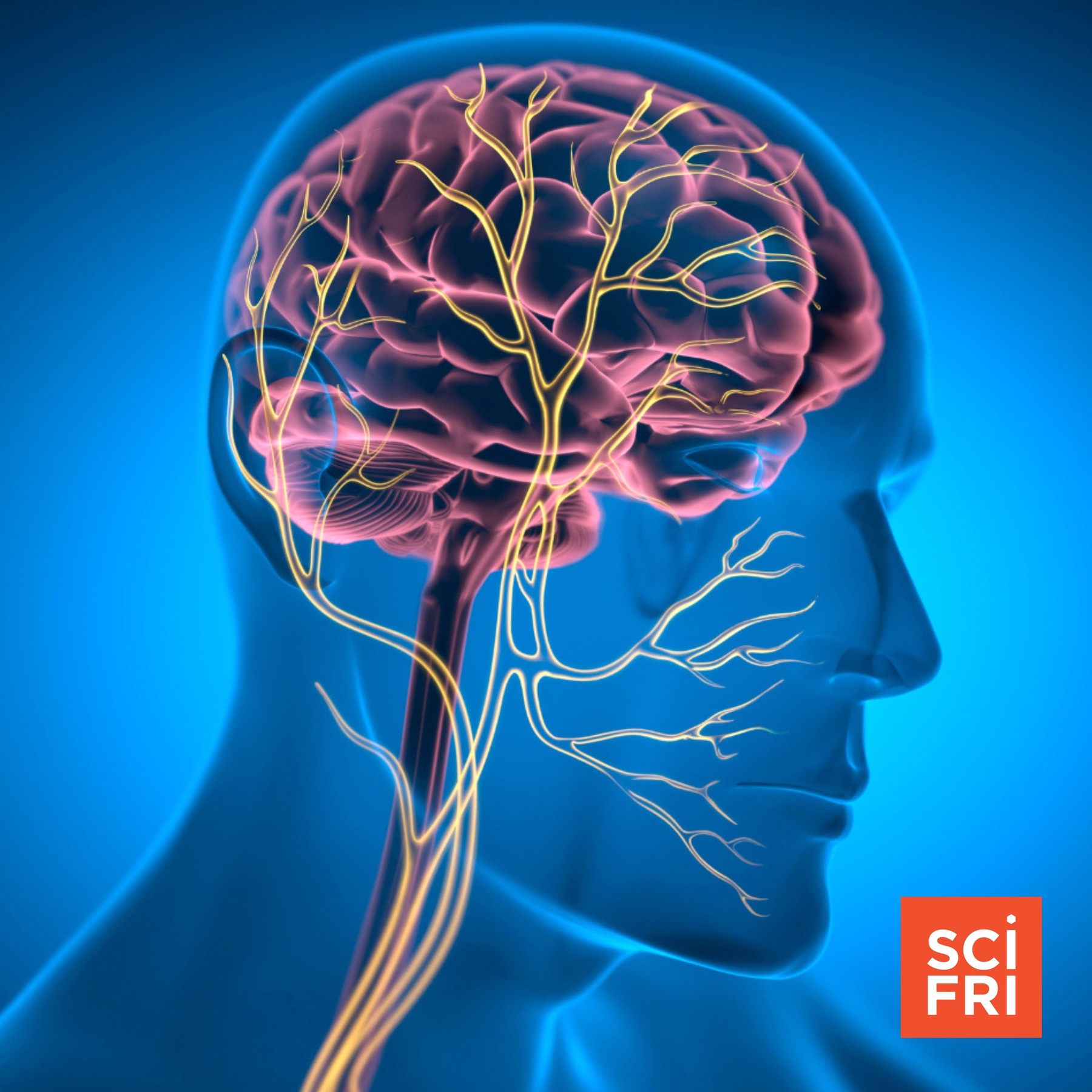
Instead of putting an anti-inflammatory drug into the brain, researchers proposed placing an electrode on the vagus nerve.
In animals, vanishingly small amounts of CNI-1493 in the brain shut down body-wide inflammation through the vagus nerve.
An implanted vagus-nerve stimulator significantly improved about 80% of rheumatoid arthritis patients who had not responded to drug therapy after one year.
SetPoint Medical’s device is about the size of a multivitamin, implanted in the left neck, and activated for one minute daily.
New vagus-nerve stimulators are FDA approved for rheumatoid arthritis, including patients who do not respond to available drugs.
Breathing, humming, and sighing stimulate parts of the vagus nerve, but none selectively targets it like an implanted electrode.
Saying a behavior affects “the vagus nerve” misses the crucial detail: individual vagal fibers have distinct, selective functions.
Near the spleen, vagus-nerve chemicals act on immune cells and turn off cytokine production by white blood cells.
The FDA approved vagus-nerve stimulation therapy in the 1990s to treat epilepsy.
Implanted stimulation benefited about half of patients in epilepsy studies, but its mechanism remains unknown for epilepsy and depression.
Vagus-nerve stimulation is being studied for cancer, diabetes, obesity, inflammatory bowel disease, multiple sclerosis, heart disease, and stroke.
A device that seemed effective in five or ten people is not evidence on the level of a large randomized controlled study.
Bring your next episode to Korva.
Turn podcast episodes into Cards you can save, explore, and find again.