
Korva rescues the ideas worth keeping from podcasts. Each one becomes a Card.
The best direct El Niño and La Niña records begin around late 1981 or early 1982, giving scientists only four decades of high-quality observations.
Galapagos corals show ocean-temperature variability was 36% higher in the last 40 to 50 years than during the pre-industrial period.
Corals tossed onto beaches by waves or tsunamis can preserve month-by-month temperature records from the periods when they grew.
The Galapagos coral record does not show past El Niño and La Niña intervals reaching the strength seen today.
Researchers scuba-dive for living Galapagos corals, sample their cores millimeter by millimeter, and use two chemicals to reconstruct ocean temperatures.
El Niño variability rises alongside global temperature in a hockey-stick pattern, separating today’s climate sharply from the pre-industrial world.
Coral evidence suggests climate change is contributing to increasingly intense El Niño events despite the system’s huge natural variability.
Researchers reconstruct ancient El Niño conditions from chemical temperature records preserved in long-lived Galapagos corals.
Coral reefs hit by severe bleaching every two or five years have far less recovery time than reefs hit every 30 years.
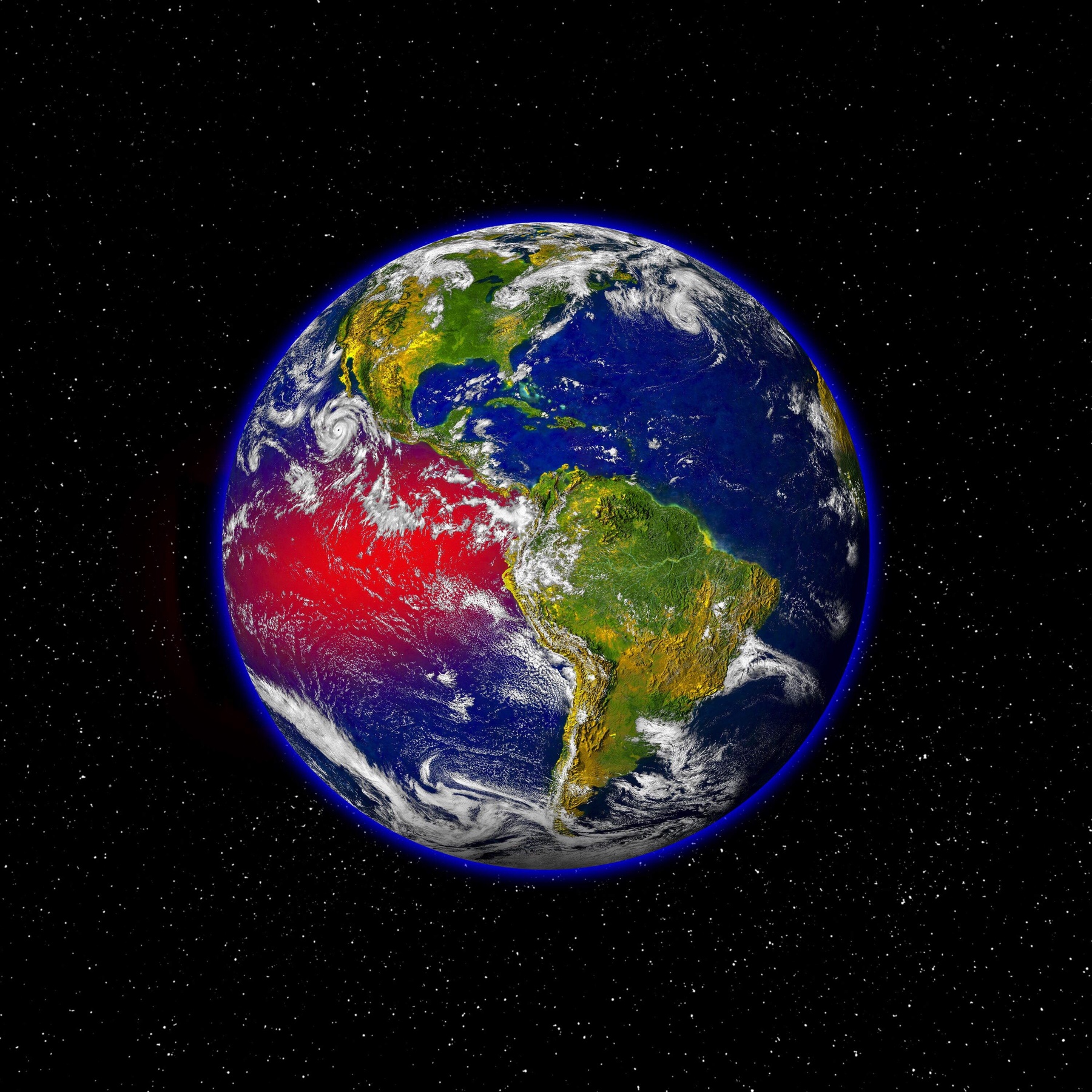
El Niño warms equatorial Pacific water, heating the atmosphere above it and exporting climate extremes to the Americas and beyond.
Adaptation alone cannot solve intensifying climate risks driven by human activity, especially fossil-fuel burning.
Bring your next episode to Korva.
Turn podcast episodes into Cards you can save, explore, and find again.