
Korva rescues the ideas worth keeping from podcasts. Each one becomes a Card.
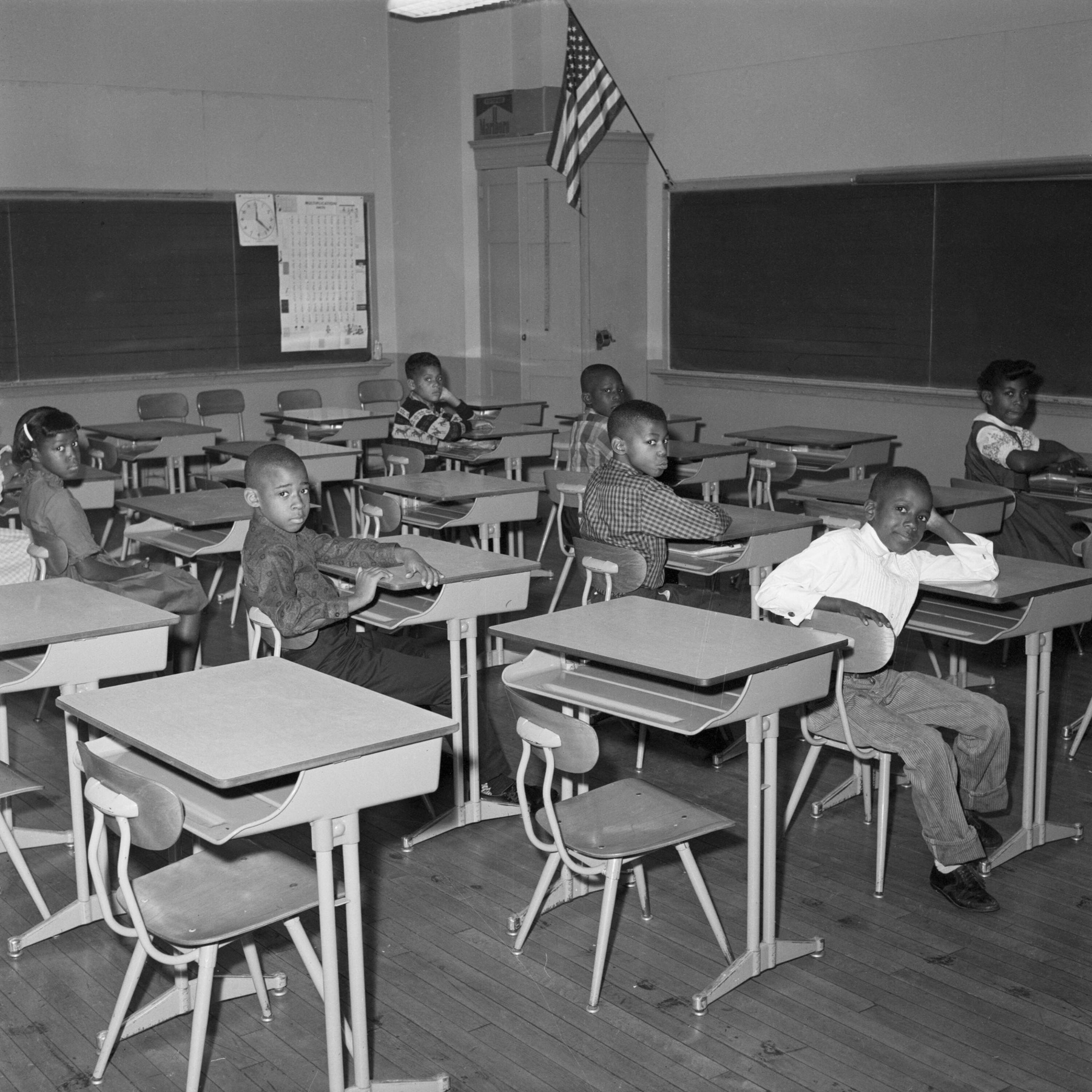
The Johnson administration tried to bury the 700-plus-page Coleman Report over the Fourth of July weekend.
A New York Times headline twisted the report into a claim that predominantly Black schools were inferior.
One of the strongest predictors of school performance was a classroom mixing low-income students with college-bound peers.
Correlational studies cannot answer causal questions, yet policymakers and commentators repeatedly treated them as if they could.
The report’s complexity let every side cherry-pick evidence for arguments about segregation, spending, and inequality.
Misreading the Coleman Report’s research limitations fueled decades of skepticism and pessimism about improving education.
More school resources alone do not guarantee better learning. Students’ backgrounds and peer environments matter too.
No Child Left Behind targeted the achievement gap with rigorous mandatory testing and proof that every child was learning.
Using standardized tests to measure school quality narrows education to test performance instead of broader democratic aims.
Just two years after the Civil Rights Act, the 1966 report arrived as a 700-plus-page data avalanche.
Coleman had to survey 600,000 students and deliver a report within 16 months, a staggering research challenge.
Coleman went beyond mandated resources and studied educational outputs: how students changed as a result of schooling.
Bring your next episode to Korva.
Turn podcast episodes into Cards you can save, explore, and find again.