KKorva™
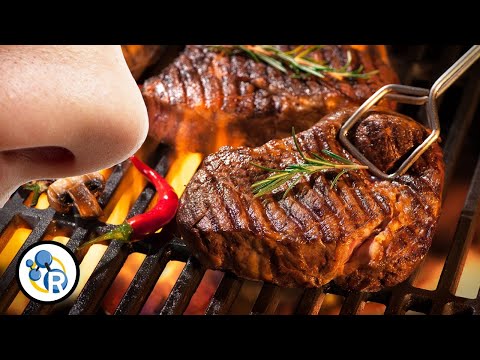
Why the Maillard Reaction Makes Everything Delicious
Reactions

Why the Maillard Reaction Makes Everything Delicious

7 insights saved from this video by @food
  1. @food· Cooking Science
    Push the heat too far and desirable browning becomes charred, bitter flavor.
  2. @food· Cooking Science
    A small amount of baking soda raises pH, helping onions brown faster and taste more caramel-like.
  3. @food· Cooking Science
    Onion browning is not caramelization: Maillard chemistry uses sugars and amino acids, while caramelization uses sugars alone.
  4. @food· Cooking Science
    Too much baking soda leaves onions browned but mushy and meal-like.
  5. @food· Cooking Science
    Browning works best between 230 and 340°F, where heat removes surface water instead of letting food steam.
  6. @food· Cooking Science
    The Maillard reaction combines sugars and amino acids, creating many aroma and flavor compounds instead of one single product.
  7. @food· Cooking Science
    For reliable savory browning, use foods with sugars and proteins, keep heat between 230 and 340°F, and avoid scorching.
Post on X

Keep what you found in Why the Maillard Reaction Makes Everything Delicious

A free account saves any of these cards to your Collection, and Korva resurfaces them so you actually remember.

Rescuing the insights lost in podcasts and YouTube videos™

Explore·New this week·Sources·Creators·Privacy·Terms·Cookies·
Korva™ and its taglines are trademarks of Korva Labs, Inc. · © 2026 · All rights reserved.