
Korva
115 insights saved from TED-Ed's videos by @culture, @food, @health and 2 others
The history of tea - Shunan Teng14 insights · See all
  1. Brewed tea became an artistic medium because the drink's foam provided a temporary surface artists could draw on, turning the beverage itself into a canvas for elaborate images.

    Brewed tea became an artistic medium because the drink's foam provided a temporary surface artists could draw on, turning the beverage itself into a canvas for elaborate images.
  2. British imperial expansion carried tea consumption worldwide because as Britain extended colonial and commercial reach, British tastes and imported goods—including tea—traveled with merchants, administrators, and settlers.

    British imperial expansion carried tea consumption worldwide because as Britain extended colonial and commercial reach, British tastes and imported goods—including tea—traveled with merchants, administrators, and settlers.
A day in the life of a Roman soldier - Robert Garland14 insights · See all
  1. Carrying over 20 kilograms of armor and weapons makes long marches exhausting because the added weight increases physical strain and accelerates fatigue.

    Carrying over 20 kilograms of armor and weapons makes long marches exhausting because the added weight increases physical strain and accelerates fatigue.
  2. The Roman Empire’s prosperity depended on loyal soldiers because their everyday military duties and local security enabled emperors’ campaigns and governance to succeed.

    The Roman Empire’s prosperity depended on loyal soldiers because their everyday military duties and local security enabled emperors’ campaigns and governance to succeed.
The Silk Road: Connecting the ancient world through trade - Shannon Harris Castelo13 insights · See all
  1. Alexander’s conquests extended and linked regional networks because seizing established cities and founding new hubs created bridges that carried Greek, Persian, Egyptian and Indian cultural and commercial ties farther into Central Asia.

    Alexander’s conquests extended and linked regional networks because seizing established cities and founding new hubs created bridges that carried Greek, Persian, Egyptian and Indian cultural and commercial ties farther into Central Asia.
  2. Advances in maritime navigation, such as the magnetic compass, undermined overland Silk Road commerce because ships became faster and cheaper, diverting long-distance trade away from costly and slow land routes.

    Advances in maritime navigation, such as the magnetic compass, undermined overland Silk Road commerce because ships became faster and cheaper, diverting long-distance trade away from costly and slow land routes.
How humanity got hooked on coffee - Jonathan Morris12 insights · See all
  1. A Sufi leader's endorsement of coffee during ritual chants normalized its use because religious authority legitimized the drink for communal worship, which integrated it into Yemen's ritual life.

    A Sufi leader's endorsement of coffee during ritual chants normalized its use because religious authority legitimized the drink for communal worship, which integrated it into Yemen's ritual life.
  2. Reports of poor pay and working conditions in coffee production prompted certification programs because stakeholders created standards (wages, sustainable farming) to improve labor and supply-chain practices.

    Reports of poor pay and working conditions in coffee production prompted certification programs because stakeholders created standards (wages, sustainable farming) to improve labor and supply-chain practices.
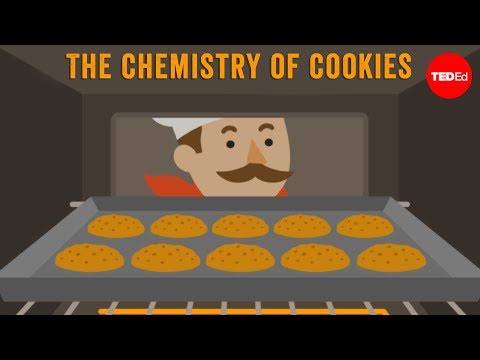
The chemistry of cookies - Stephanie Warren11 insights · See all
  1. Smelling nutty, toasty aromas is a reliable doneness cue because Maillard reactions and caramelization produce volatile aromatic compounds that diffuse into the air once browning has progressed enough.

    Smelling nutty, toasty aromas is a reliable doneness cue because Maillard reactions and caramelization produce volatile aromatic compounds that diffuse into the air once browning has progressed enough.
  2. Caramelization requires higher heat (starting around 356°F) because sugar molecules need that thermal energy to decompose and rearrange into the compounds that give caramel its sweet, nutty and slightly bitter flavors, so a 350°F oven won’t drive those pathways appreciably.

    Caramelization requires higher heat (starting around 356°F) because sugar molecules need that thermal energy to decompose and rearrange into the compounds that give caramel its sweet, nutty and slightly bitter flavors, so a 350°F oven won’t drive those pathways appreciably.
How does money laundering work? - Delena D. Spann11 insights · See all
  1. Large‑scale laundering often involves banks and officials because institutional infrastructure, privileged access, and regulatory gaps let them move and legitimize vast sums while reducing scrutiny.

    Large‑scale laundering often involves banks and officials because institutional infrastructure, privileged access, and regulatory gaps let them move and legitimize vast sums while reducing scrutiny.
  2. Expanded anti‑laundering powers raise privacy concerns because increased monitoring of financial flows and enhanced investigative authority can intrude on individual financial privacy and enable broader surveillance.

    Expanded anti‑laundering powers raise privacy concerns because increased monitoring of financial flows and enhanced investigative authority can intrude on individual financial privacy and enable broader surveillance.
The science of spiciness - Rose Eveleth10 insights · See all
  1. Increasing your spice 'tolerance' doesn't lower the nociceptive signal; repeated exposure increases your psychological tolerance to endure the pain, so you get tougher without necessarily becoming less sensitive physiologically.

    Increasing your spice 'tolerance' doesn't lower the nociceptive signal; repeated exposure increases your psychological tolerance to endure the pain, so you get tougher without necessarily becoming less sensitive physiologically.
  2. People who enjoy spicy food don't actually feel less burn because studies show they report similar nociceptive intensity but derive more pleasure or adrenaline from the same signal, so preference reflects enjoying the pain response rather than reduced sensation.

    People who enjoy spicy food don't actually feel less burn because studies show they report similar nociceptive intensity but derive more pleasure or adrenaline from the same signal, so preference reflects enjoying the pain response rather than reduced sensation.
The benefits of a good night's sleep - Shai Marcu10 insights · See all
  1. During non-REM slow-wave sleep the hippocampus repeatedly reactivates recent memories and, through a cortex–hippocampus dialogue, drives their gradual redistribution into long-term cortical stores.

    During non-REM slow-wave sleep the hippocampus repeatedly reactivates recent memories and, through a cortex–hippocampus dialogue, drives their gradual redistribution into long-term cortical stores.
  2. Patient H.M.'s hippocampal removal left him unable to form new declarative memories while he could still learn physical tasks, showing declarative consolidation depends on the hippocampus whereas procedural learning relies on other systems.

    Patient H.M.'s hippocampal removal left him unable to form new declarative memories while he could still learn physical tasks, showing declarative consolidation depends on the hippocampus whereas procedural learning relies on other systems.
Post on X

Keep the best of TED-Ed

A free account saves these cards to your Collection, and Korva resurfaces them so you actually remember.