Korva is a scroll of the internet’s best ideas.
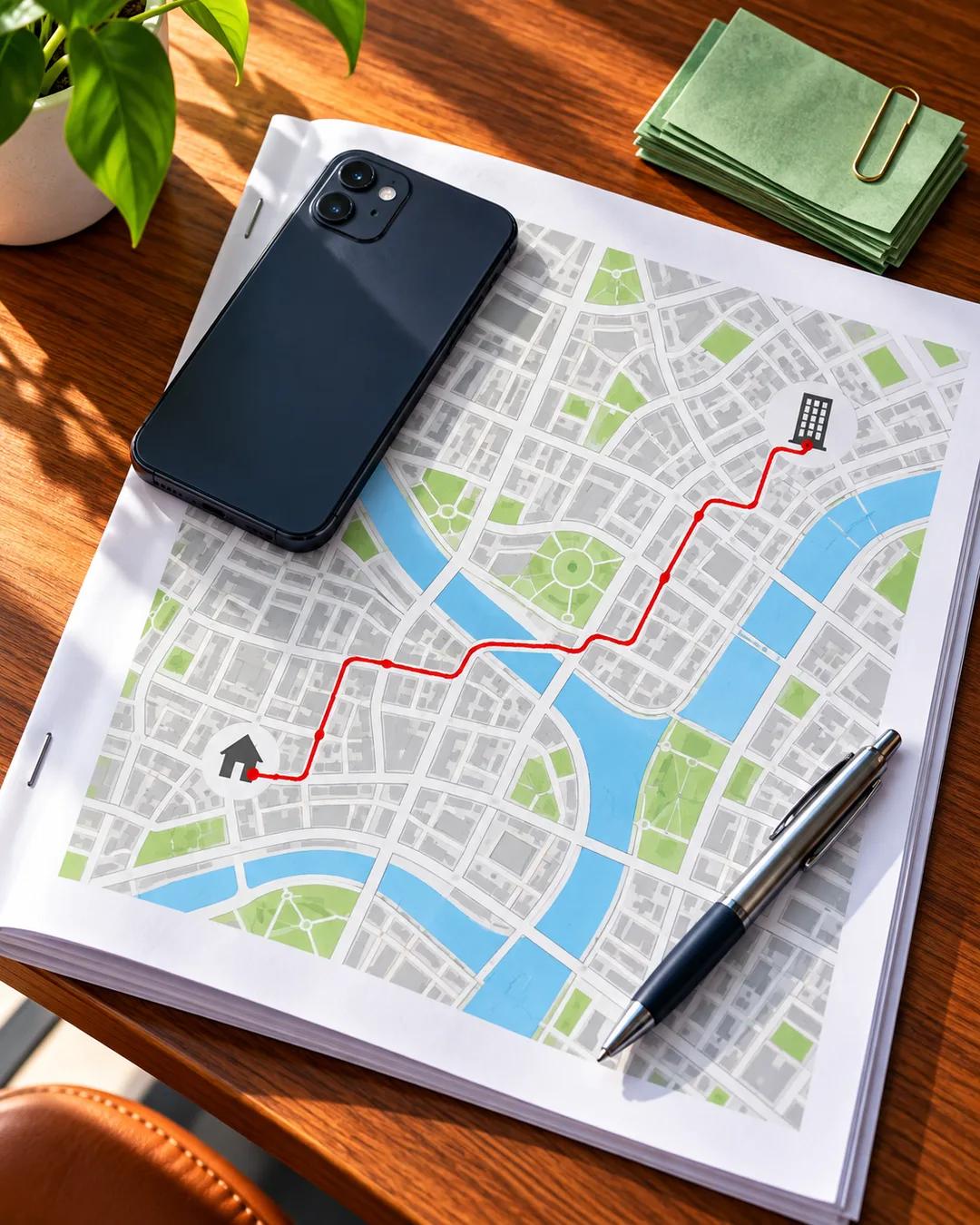
$2,500 buys a phone's movements

A $2,500 lookup
The lookup did not always work, because some of the data is spotty and some people are more careful with their phones than others. Sites like DataRaid let anyone with a credit card pull a sample of mobility data, and a few others sell internet data and point-of-sale data. Some of it costs only a few hundred or a few thousand dollars.
What feeds cost
Starting a company that collects mobility data on a US state or a small country would run a few thousand dollars. The contracts for a feed of the whole world's mobility data, the kind that comes off a phone when someone opts in to a weather app, run to six figures.
That makes a plain middleman business. A company buys the feed for six figures, sells it to the government at a 20 percent markup, and that is the entire business model.
How does an app's location reach a broker?
Many apps include software development kits written by data companies, which collect the phone's location along with its mobile advertising ID. The company bundles the pings from thousands of apps into one feed. It then resells that feed to other brokers and analytics firms. Each ping is a latitude, a longitude, and a timestamp attached to the same ID.
Why do phones carry an advertising ID?
Apple introduced its advertising identifier in 2012, and Google's Android followed with its own. The ID lets advertisers measure campaigns across apps without using a name or phone number. Apple's App Tracking Transparency, released in 2021, made apps ask permission before reading that ID. Android lets users delete theirs in settings, which replaces it with a string of zeros.
More from Shawn Ryan Show