Korva is a scroll of the internet’s best ideas.

Why bedding stalled
NASA developed memory foam for astronauts, almost randomly, and bedding barely changed afterward. Part of the reason was that sleep wasn't treated as a big deal. In the early 2000s the macho angle ruled, with people bragging that they slept only four hours a night because they were tough, and anyone who slept eight or nine hours looked lazy.
Sleep gets its turn
Over the past 30 years, fitness got the attention first, then nutrition, and only recently sleep. Sleep deprivation now gets compared to smoking.
The idea for a better bed
That gap is what started Eight Sleep. Elon Musk is taking people to Mars and everyone carries a phone all day, yet at 10 p.m. people expect to fall asleep and wake up fully refreshed eight hours later just from lying on a piece of foam. The question of why anyone would spend a third of their life on dumb foam led to the idea for a better bed.
How did NASA end up inventing memory foam?
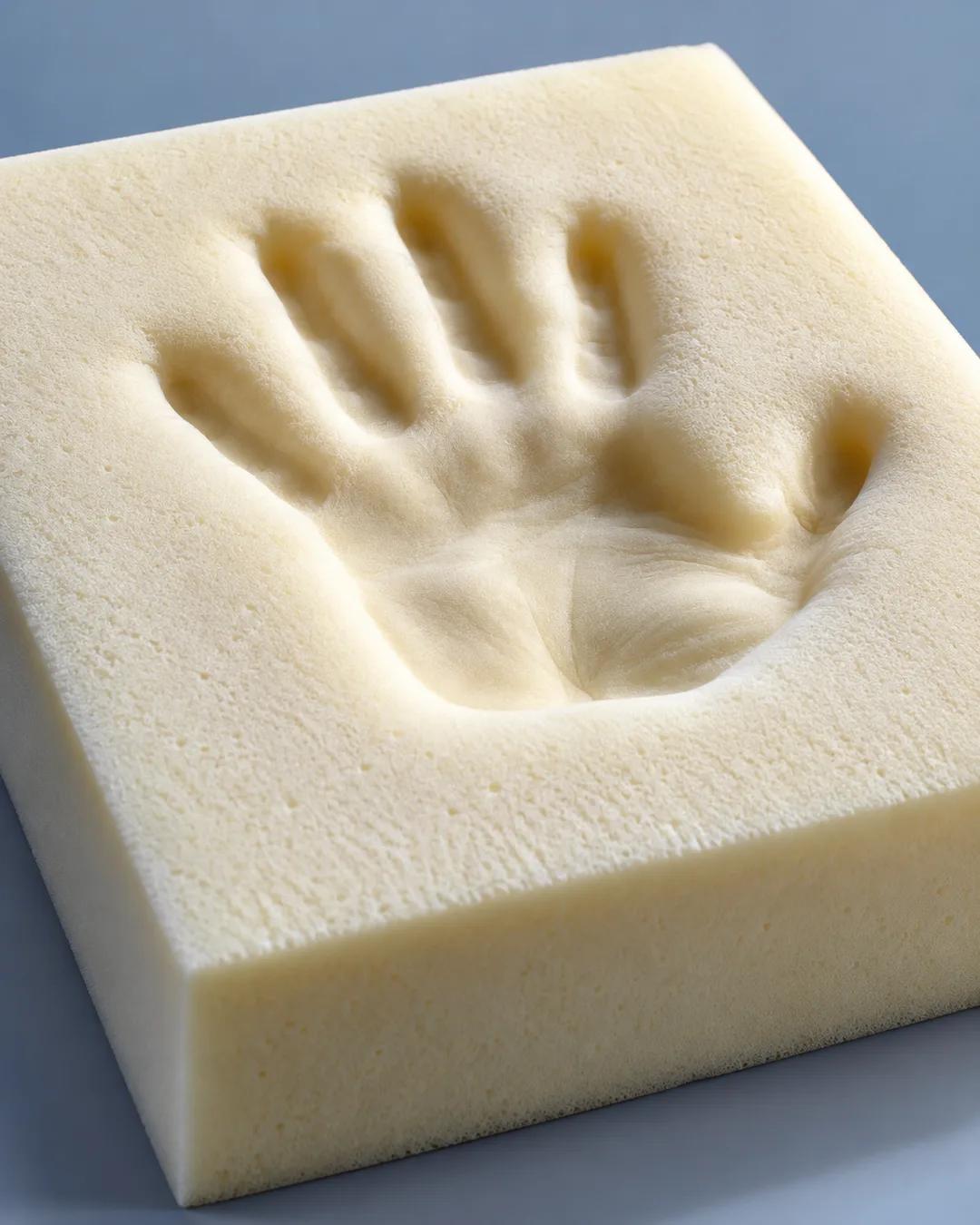
The foam came out of NASA research in the 1960s, in a search for materials that could cushion seats against the forces of flight. It is a viscoelastic polyurethane, meaning it flows slowly under pressure and then returns to its shape. It stayed mostly a specialty material for years. Mattresses made of it reached consumers in the early 1990s.
Why does memory foam soften with body heat?
Viscoelastic polyurethane has a glass transition temperature near room temperature, the point where the material shifts between stiffer and softer states. Warmth from a body pushes the foam toward its softer state in the area under pressure. The cooler surrounding foam stays firm, which creates the slow, contoured sink. That is why the same block feels firmer in a cold room.
How was REM sleep discovered?
For much of history, sleep was treated as a passive shutdown of the brain. In 1953, Eugene Aserinsky and Nathaniel Kleitman at the University of Chicago recorded bursts of rapid eye movement during sleep. Those periods came with brain activity resembling wakefulness. The finding turned sleep into an active field of research.
More from Joys of Compounding