Korva is a scroll of the internet’s best ideas.
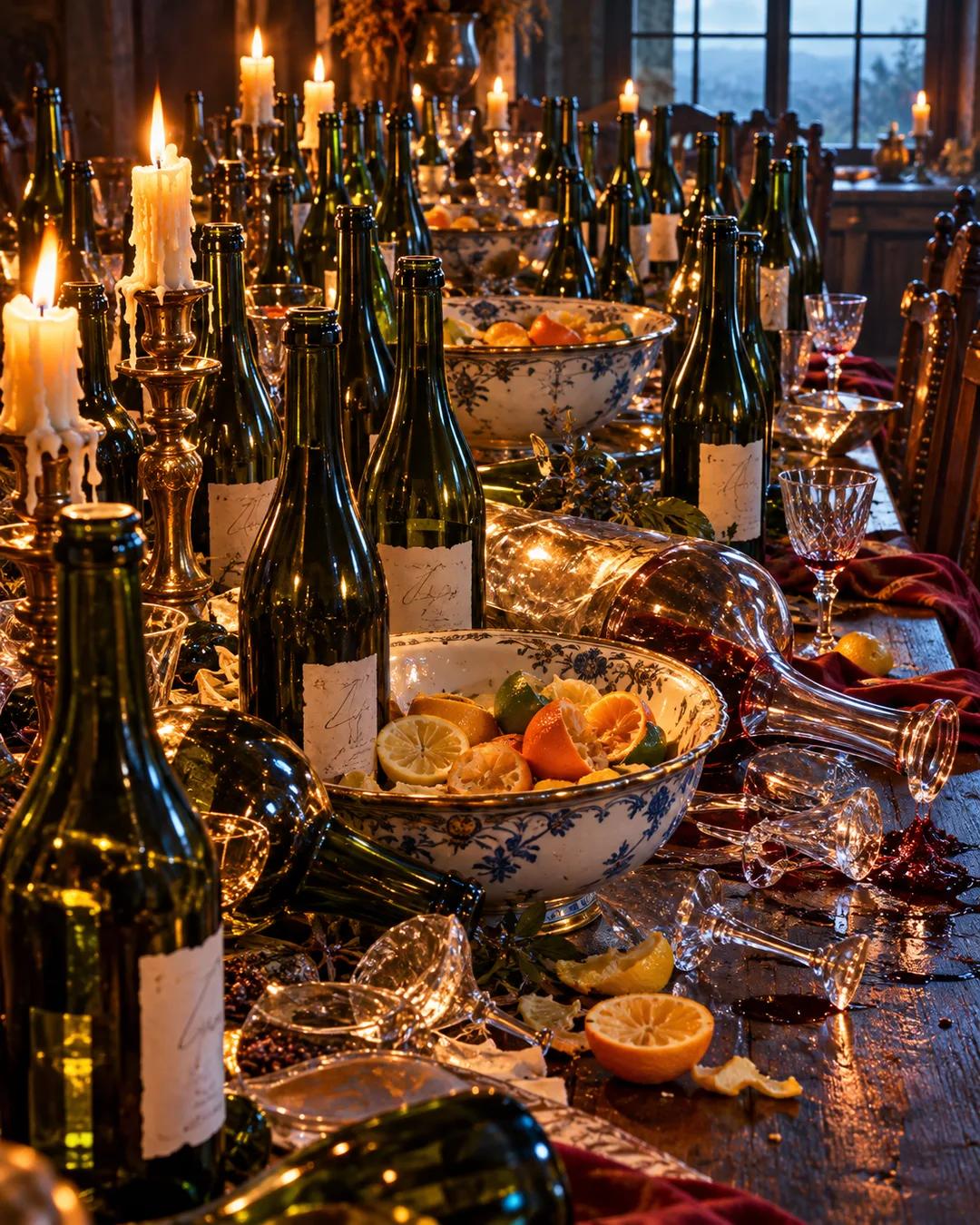
55 men, 60 bottles of claret
The Friday, September 14 party included Washington, veterans who had crossed the Delaware under his command on Christmas Day 1776, the Light-Horse of Philadelphia Cavalry Corps, and, some historians speculate, a fair number of convention delegates. The bill also lists 22 bottles of porter, 12 of beer, and eight of cider.
Add food, live music, cigars, and the cost of broken decanters and wine glasses, and the total came to 89 pounds, four shillings, and two pence. In early 21st century terms, that is more than $15,000. In 1787, the punch really did punch.
Washington, a self-restrained man, drank in moderation, but the soldiers and likely delegates around him could clearly put it away. After the signing on September 17, the delegates made their way to City Tavern one last time for drinks. No meaningful record of that evening survives.
Why was Madeira a colonial favorite?
Madeira is a fortified wine from an island off Portugal, and the added brandy let it survive hot ocean voyages without spoiling. Colonial merchants loved it because the heat of a ship's hold seemed to improve it. Madeira was the wine behind many toasts in the founding era. It was served at the Declaration of Independence celebrations and at the dinner table of many founders.
Who were the Philadelphia Light-Horse?
The unit was founded in 1774 as the First Troop Philadelphia City Cavalry. Its members were mostly wealthy merchants and gentlemen who supplied their own horses and uniforms. They fought in the Revolution, including at Trenton and Princeton, and served as Washington's escort. The troop is still active today as part of the Pennsylvania National Guard.
More from History That Doesn't Suck