Korva is a scroll of the internet’s best ideas.
60 hours in an air pocket

The capsize
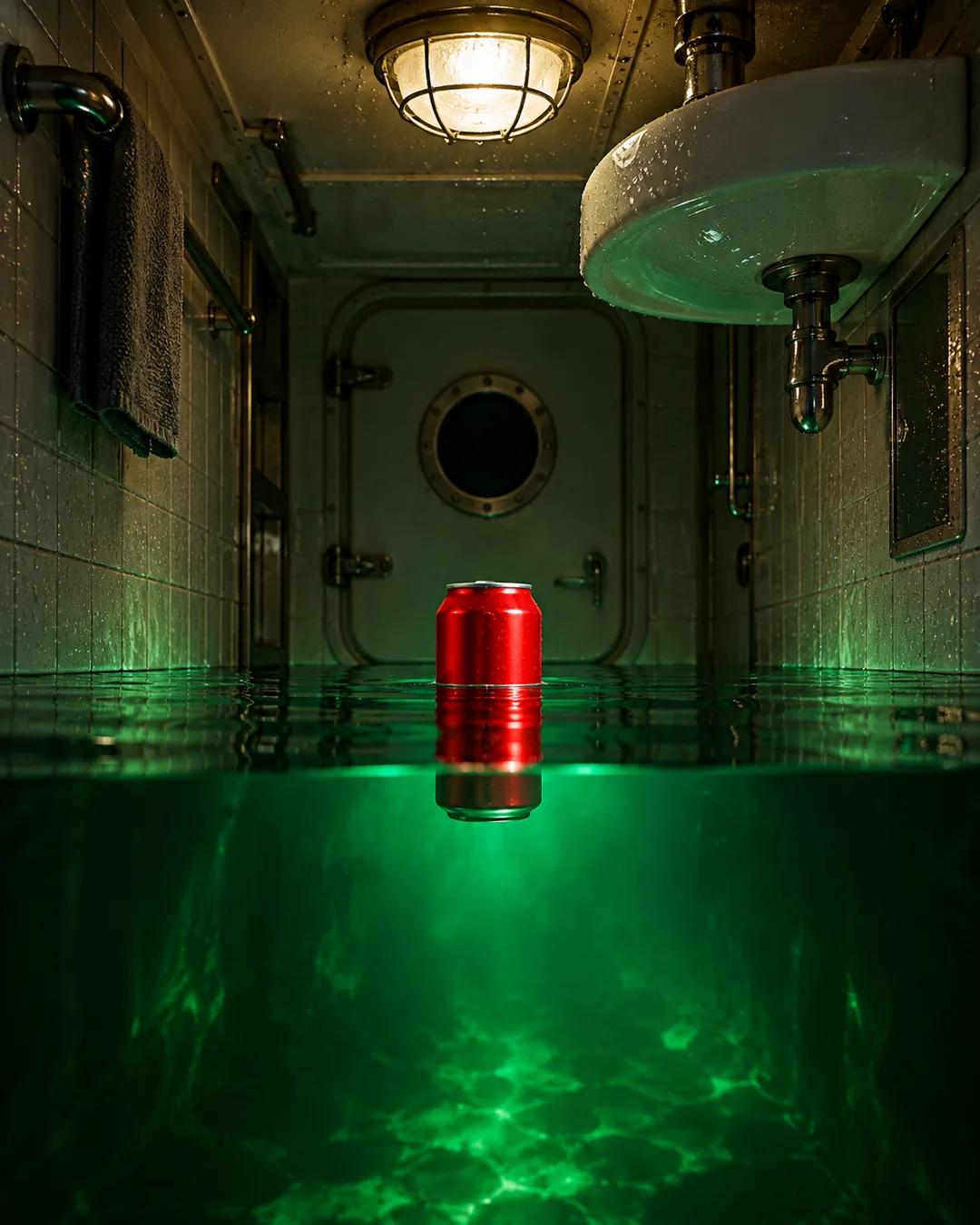
The tug was off the coast of Africa with 12 people aboard. Harrison Okene, the chef, was in the bathroom in the middle of the night when a wave flipped the boat over. He walked down the upturned hallway and found an air pocket in a bathroom, which was all that separated him from the water below.
Sixty hours in the dark
For 60 hours he sat in total darkness, half submerged, sipping a Coca-Cola and waiting for the pocket to collapse. He described hearing sea life bumping around inside the overturned vessel.
The recovery
Recovery divers eventually went in to look for bodies. Video of the search shows a hand reaching down and grabbing one of them. Okene no longer works on tugboats and stays on land.
Why does air stay trapped in a capsized ship?
Air is far lighter than water, so it rises to the highest point it can reach. In an upside-down ship, a sealed compartment such as a bathroom holds air against its new ceiling, like an upturned cup pushed into a bathtub. Water pressure squeezes the air to match the surrounding sea, so a pocket at 100 feet holds air at roughly four times surface pressure.
How do divers work at that depth for days?
Divers on deep recoveries often use saturation diving, living for days or weeks in a pressurized chamber aboard a ship. Once the body's tissues have absorbed all the inert gas they can at a given depth, decompression time stops growing, so one long decompression at the end replaces many short ones. They breathe a mix of helium and oxygen, which avoids the narcosis that nitrogen causes at depth. A diving bell carries them between the chamber and the worksite.
More from The Joe Rogan Experience