Korva is a scroll of the internet’s best ideas.
67% work for self-insured employers
Carrying the Risk
A self-insured company takes all the risk for its employees' healthcare costs. That makes it completely responsible, and it should be the final decision-maker on those costs.
Yet these companies contract with enormous conglomerates worth hundreds of billions of dollars and let them tell the CEO how to run the benefits side of the business. The companies hate their medical costs, which keep going up, and many employers have no idea what they're paying for medications or healthcare.
Hidden Prices
The opacity reaches individuals too. People mostly don't know how much they're paying for drugs, and they have no idea what anything will cost unless they're really lucky. They typically like their doctors and nurses, and dislike the economics because they don't understand them.
The Cost Plus Opening
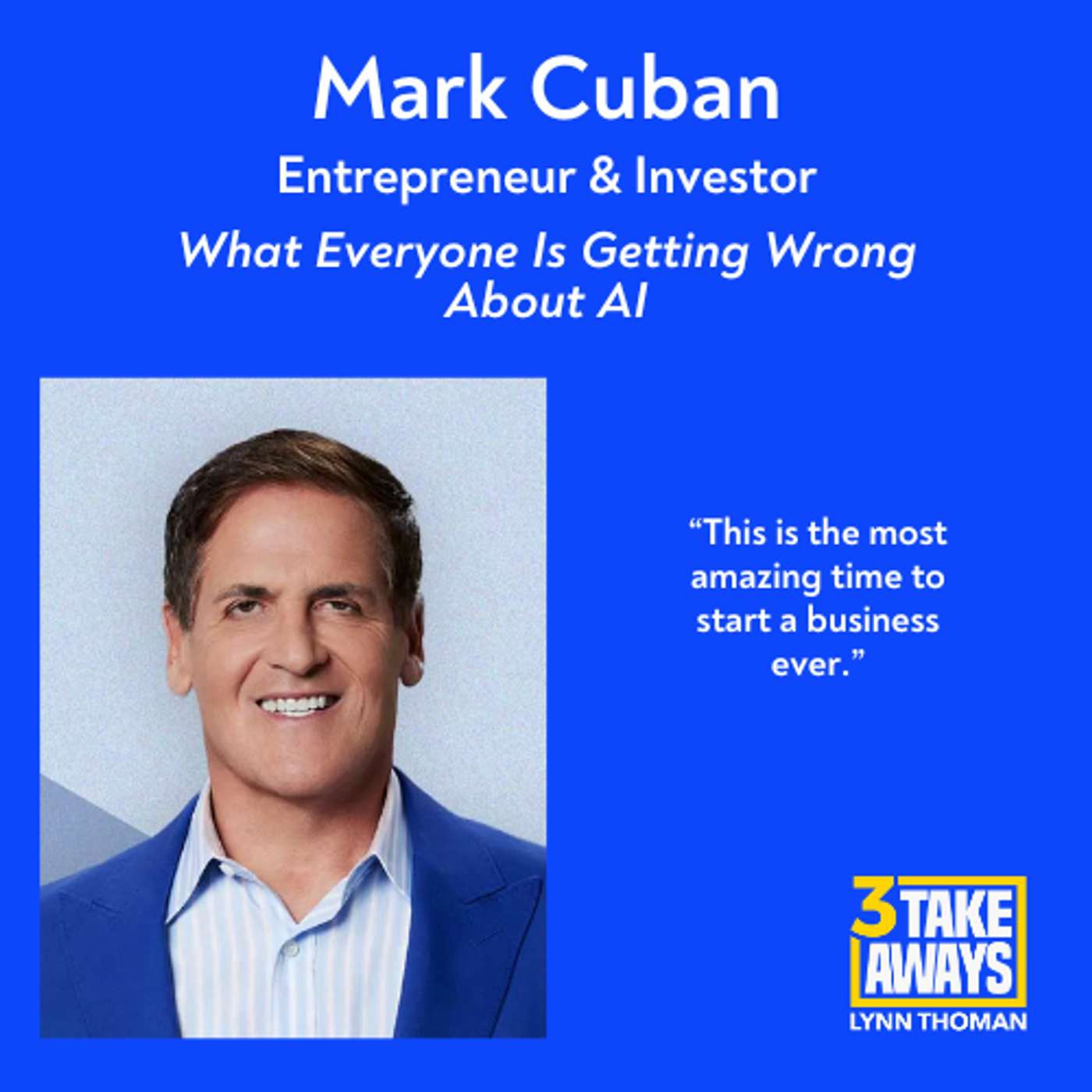
That complete opacity is the opportunity Mark Cuban saw behind Cost Plus Drugs: educating employers and individuals so they don't have to just take the status quo.
Why do self-insured employers still hire insurers?
Many self-insured employers pay an insurer or administrator to process claims and provide a network of doctors and hospitals, an arrangement called administrative services only. The employer still pays the claims itself. To cap a bad year, many also buy stop-loss insurance that reimburses claims above a set amount. Self-funded plans are governed by the federal ERISA law of 1974 rather than by state insurance rules.
Why are healthcare prices so hard to find?
Insurers negotiate separate rates with each hospital and doctor group, and the contracts have traditionally been treated as confidential trade terms. One procedure can therefore carry many different prices. A federal rule that took effect in January 2021 requires hospitals to publish their prices. A 2022 transparency rule required most health plans to post their in-network rates.
How do pharmacy middlemen affect drug prices?
Pharmacy benefit managers sit between insurers, pharmacies, and drug manufacturers. They negotiate rebates from manufacturers and decide which drugs a plan covers. A 2024 Federal Trade Commission staff report found that the three largest handle nearly 80 percent of prescriptions.
More from 3 Takeaways