Korva is a scroll of the internet’s best ideas.

Align incentives and people stay
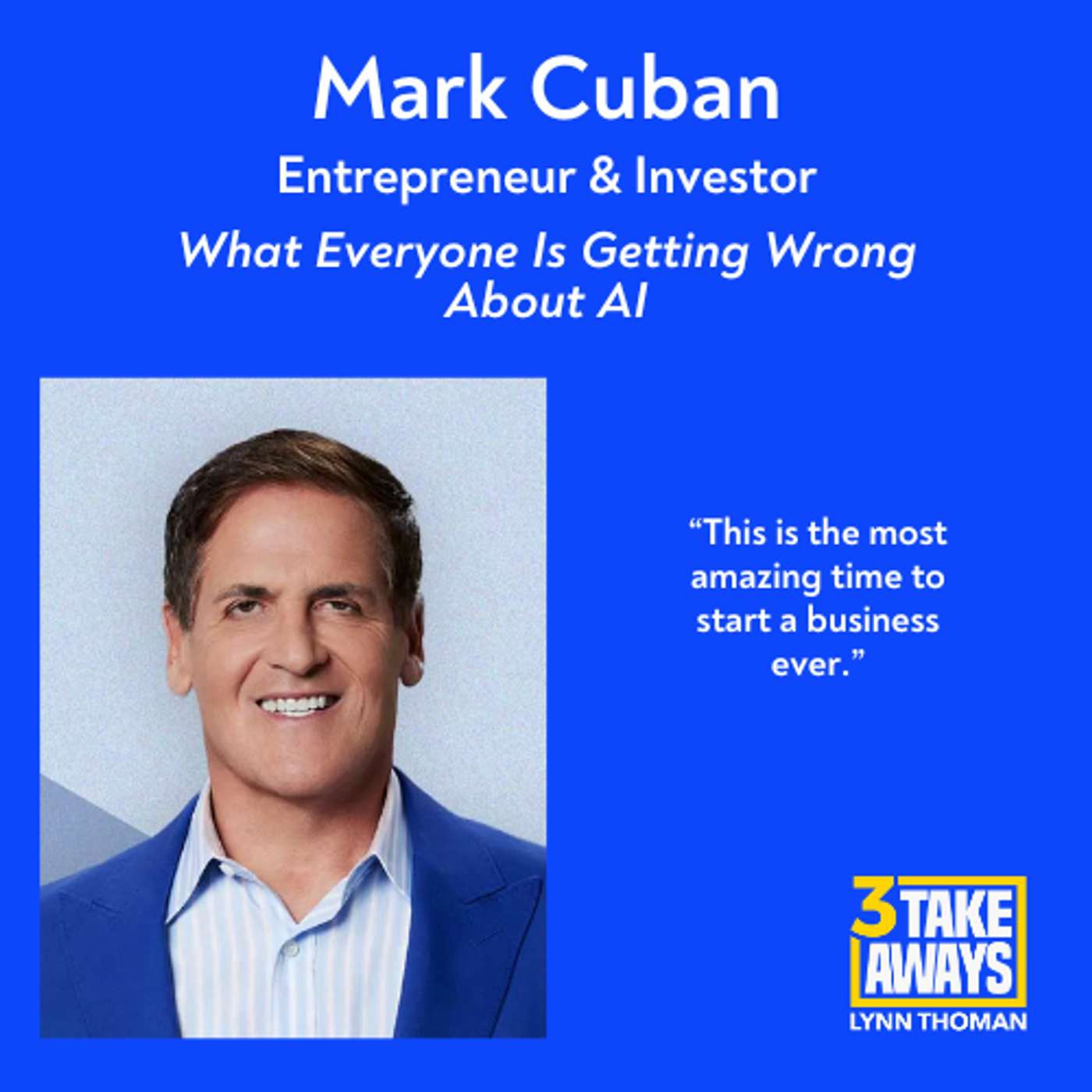
Why People Stay
Aligned incentives make things feel good for everyone involved. The incentives in question belong to the people who work for you and to any other stakeholder, whether a vendor, a prospect, or a customer. When it feels good and you're good at what you do, people don't want to quit things they're good at.
The same holds for the people you work with and sell to. When you're aligned with them, everybody's happy and wants to continue to work together. Definitely nobody quits anything they're great at.
Choosing a Direction
For an individual picking a direction, the version is to find something you like and try to be really good at it. Then see where you can take it, because that is where the magic always happens.
Why do misaligned incentives cause trouble?
Economists call the gap between what one party wants and what another does the principal-agent problem. Michael Jensen and William Meckling analyzed it in a 1976 paper, showing that managers who bear only part of the cost of their choices tend to spend more on perks. Contracts and pay structures are designed to narrow that gap.
Why does being good at something keep people there?
Edward Deci and Richard Ryan's self-determination theory names competence as one of three basic psychological needs, along with autonomy and relatedness. People tend to keep doing activities where they feel capable. The theory grew out of research Deci began in the early 1970s on intrinsic motivation.
How did Munger show incentives at work?
Charlie Munger often told how Federal Express struggled to finish its overnight package sorting on time. Workers were paid by the hour, so they had no reason to hurry. Paying them per shift instead ended the delays. Munger described the case in a 1995 talk at Harvard.
More from 3 Takeaways