Korva is a scroll of the internet’s best ideas.

How sepsis kills
In sepsis, bacteria get into the bloodstream, which is supposed to be sterile. The immune system reacts so strongly that blood vessels leak and organs start failing, and that reaction is what kills. Sepsis kills hundreds of thousands of people a year, and with every hour it goes untreated, mortality rises by about 12%.
Why tests failed
Large companies spent hundreds of millions on better sepsis diagnostics, and the field is a graveyard of dead companies. New tests worked well in academic medical centers, with better outcomes and longer lives. Then they failed when trials expanded into community hospitals.
Community hospitals are so understaffed and overwhelmed, particularly in the emergency room, that sepsis isn't suspected fast enough. The response is aggressive and has to start early, and by the time it starts late it's already too late.
The original pitch
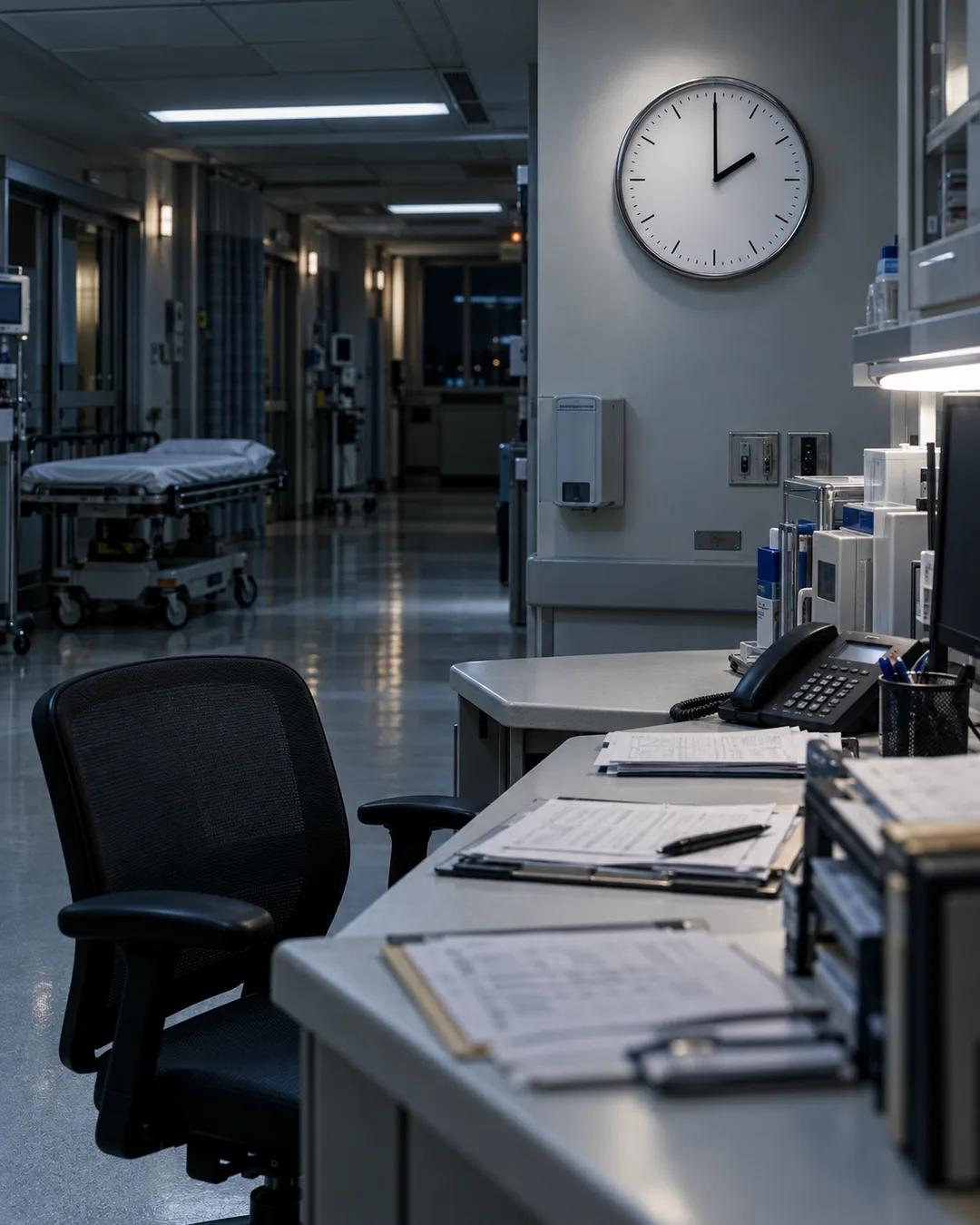
Whether anyone suspects sepsis at 2 a.m. on a Saturday, or the case waits until Monday morning, decides the outcome. That led to Curative's original pitch: a mini hospital inside community hospitals that manages their sepsis patients for a fixed fee, mostly by getting doctors to follow the instructions at scale.
How does the immune system damage organs in sepsis?
In sepsis, the body's response to infection becomes dysregulated and starts harming its own tissue. Inflammatory signals called cytokines flood the blood, and the walls of small blood vessels become leaky. Blood pressure falls, small clots can form, and organs receive too little oxygen. The 2016 Sepsis-3 consensus definition describes sepsis as life-threatening organ dysfunction caused by this response to infection.
How much does a delay raise mortality?
A 2006 study by Anand Kumar and colleagues in Critical Care Medicine looked at septic shock patients and found that survival fell with each hour before effective antibiotics were given. Their analysis estimated a drop of about 7.6 percent per hour in the first hours after low blood pressure began. Other studies have found smaller or larger effects depending on how severe the illness was. The work shaped hospital protocols that treat sepsis as a time-critical emergency.
Why do trials succeed in academic centers first?
Academic medical centers usually have research staff, protocols, and extra monitoring built around a study. Patients in a trial are watched more closely than in routine care, which can improve outcomes by itself. When a test moves to community hospitals, those supports are often missing. Results then reflect ordinary conditions, with their staffing and workload.
More from 20VC with Harry Stebbings