Korva is a scroll of the internet’s best ideas.

A brain molecule shut off inflammation
The drug goal
The aim was a drug that slows inflammation in conditions like rheumatoid arthritis without the immunosuppression that comes with biologics, the powerful drugs that block cytokines. Cytokines are molecules made by white blood cells that drive inflammation forward. Neurosurgeon Kevin Tracey and his colleagues made a series of molecules, and an early one, named 1493, blocked inflammation without suppressing the immune system.
An unexpected result
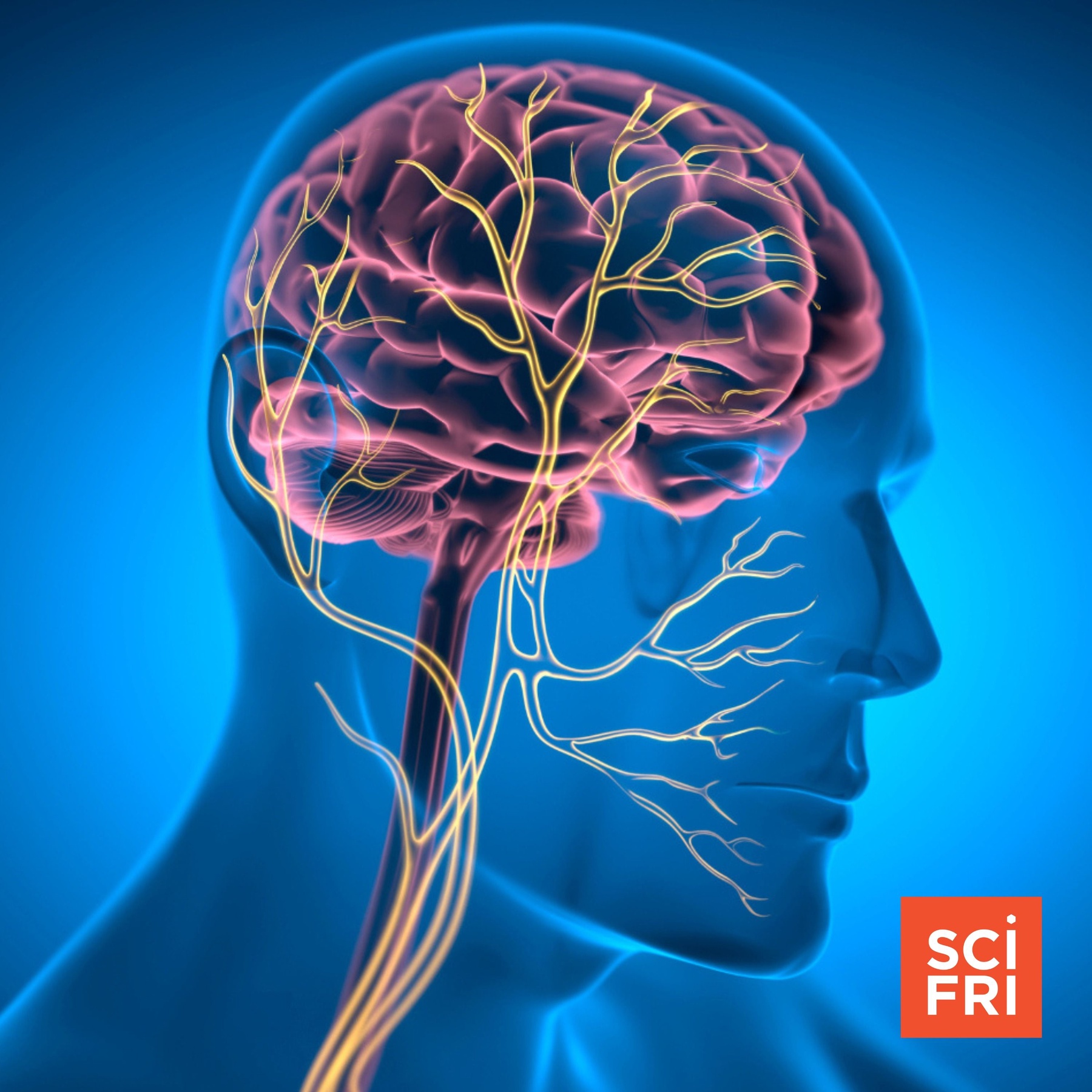
Then came a completely unexpected result. Vanishingly small amounts of 1493 in the brains of animals turned off inflammation throughout their bodies. The question was how it worked, and answering it took months and then years of work. The molecule in the brain was turning on signals that traveled down the vagus nerve to the immune system and shut down the cytokine storm.
Skipping the drug
The vagus nerve works like the brakes on a car barreling downhill: turning it on slows inflammation. A drug in the brain was no longer needed, because an electrode on the nerve could turn it on directly, and electrodes on the vagus nerve had already been placed safely in humans in the 1990s.
Why do biologic drugs suppress the immune system?
Biologics are engineered proteins, often antibodies, that bind a specific cytokine such as TNF and keep it from signaling. TNF drives joint inflammation, but it also helps the body wall off and clear infections. Blocking it everywhere in the body lowers that defense along with the inflammation. Labels on TNF-blocking drugs carry boxed warnings about serious infections, including reactivation of tuberculosis.
How can the brain control inflammation in the body?
The vagus nerve carries signals both toward and away from the brain, so the brain can send instructions to immune organs. In a 2000 paper in Nature, Tracey's group reported that stimulating the vagus nerve electrically reduced TNF release in rats given a bacterial toxin. Tracey later named this circuit the inflammatory reflex. The sensing half of the loop detects inflammatory molecules in the body, and the motor half dials cytokine output down.
How does a cytokine storm damage organs?
Cytokines such as TNF, interleukin-1, and interleukin-6 recruit more immune cells, and those cells release still more cytokines. The loop feeds itself faster than the body can switch it off. Blood vessels become leaky, fluid seeps into tissues, and blood pressure can fall. Leaky vessels in the lungs let fluid fill the air sacs, which is the basis of acute respiratory distress syndrome.
More from Science Friday