Korva is a scroll of the internet’s best ideas.
Patients refused to have it removed
Approval for epilepsy
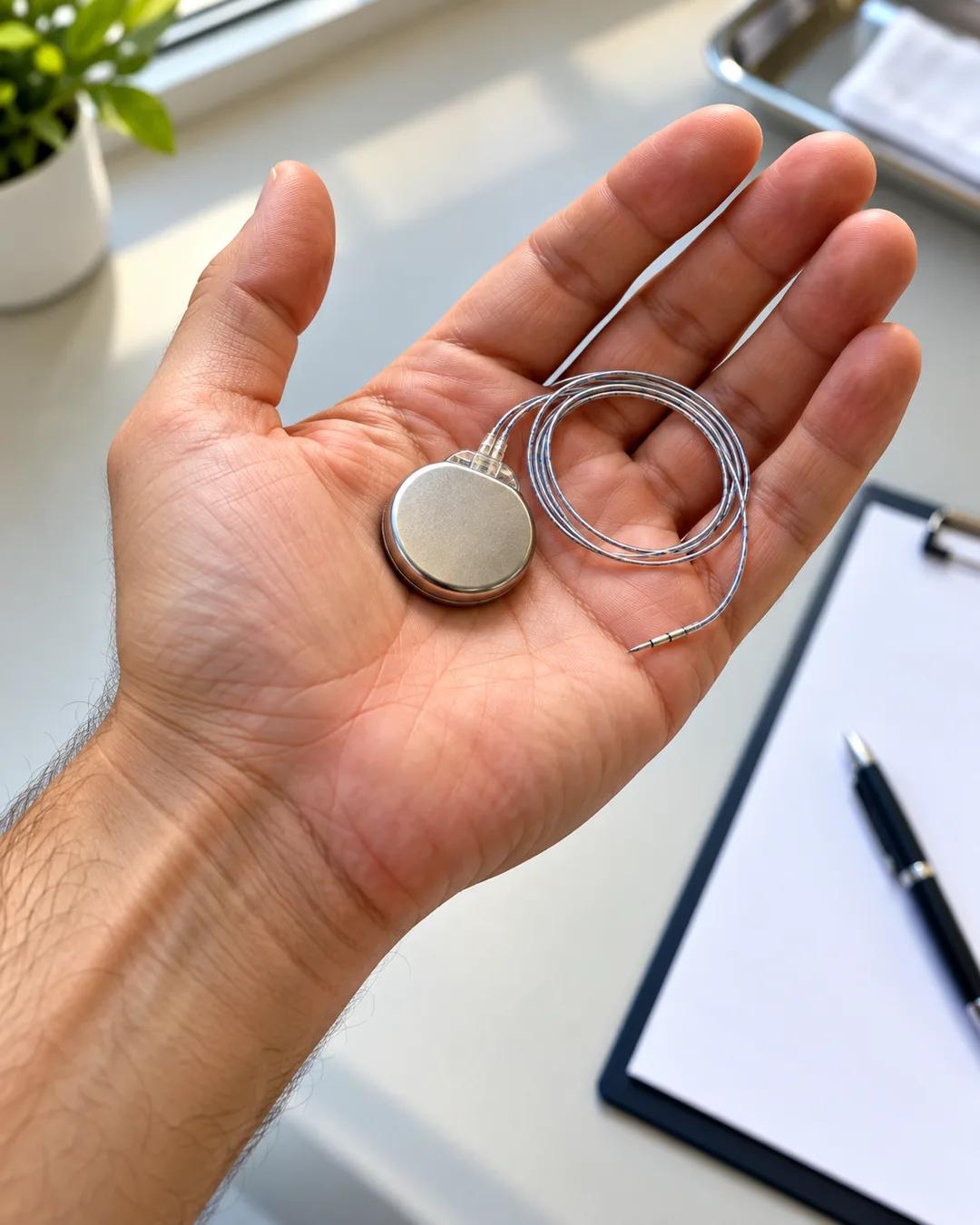
Vagus nerve stimulation was approved by the FDA in the 1990s for epilepsy. In the studies from the 1980s and 1990s, about half of the patients benefited from the device. For the other half, the obvious next step was to remove it.
Patients keep the device
A lot of those patients objected. When the doctors asked why they wanted to keep a device that wasn't helping their epilepsy, the answer was that it made them feel happy.
Depression and inflammation
The same observation sits behind interest in the nerve for depression. The mechanism is unknown for epilepsy and unknown for depression. Inflammation is different: the pathway there has been mapped in detail, from the brain down the nerve to the immune cells.
How did vagus stimulation become an epilepsy treatment?
Animal work in the 1980s found that electrical stimulation of the vagus nerve could interrupt seizures in dogs. That led to a pulse generator implanted in the chest, wired to the nerve in the neck. The US FDA approved the first such system for epilepsy in 1997. In 2005, the FDA approved vagus stimulation as an add-on for long-lasting depression that had not responded to other treatment.
Why might a nerve implant change mood?
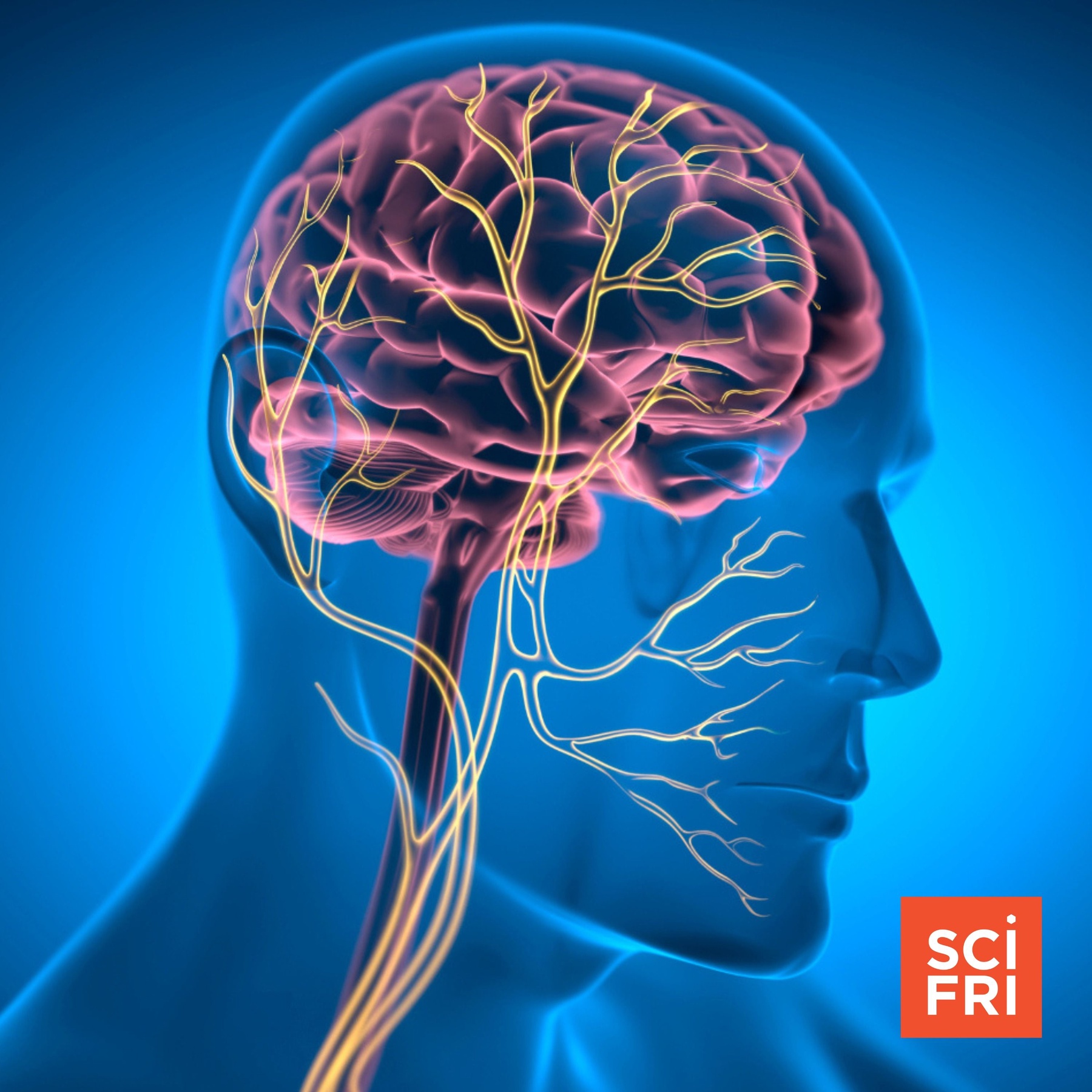
Most vagus fibers carry signals upward, and many of them end in the nucleus of the solitary tract in the brain stem. That region connects to the locus coeruleus and the raphe nuclei, which are major sources of norepinephrine and serotonin. Antidepressant drugs act on those same chemical systems. How stimulation of the nerve changes activity in them has not been established. The nucleus of the solitary tract is the first relay in the brain for most signals arriving along the vagus.
Why was the epilepsy mechanism so hard to pin down?
A seizure is a sudden synchronized discharge across large networks of neurons, which makes it hard to trace to a single pathway. The vagus nerve reaches the brain stem, which projects widely to the cortex and deeper structures. Any of several of those connections could alter how easily a network tips into synchrony. Imaging studies of stimulated patients have shown changes in activity across many brain regions.
More from Science Friday