Korva is a scroll of the internet’s best ideas.
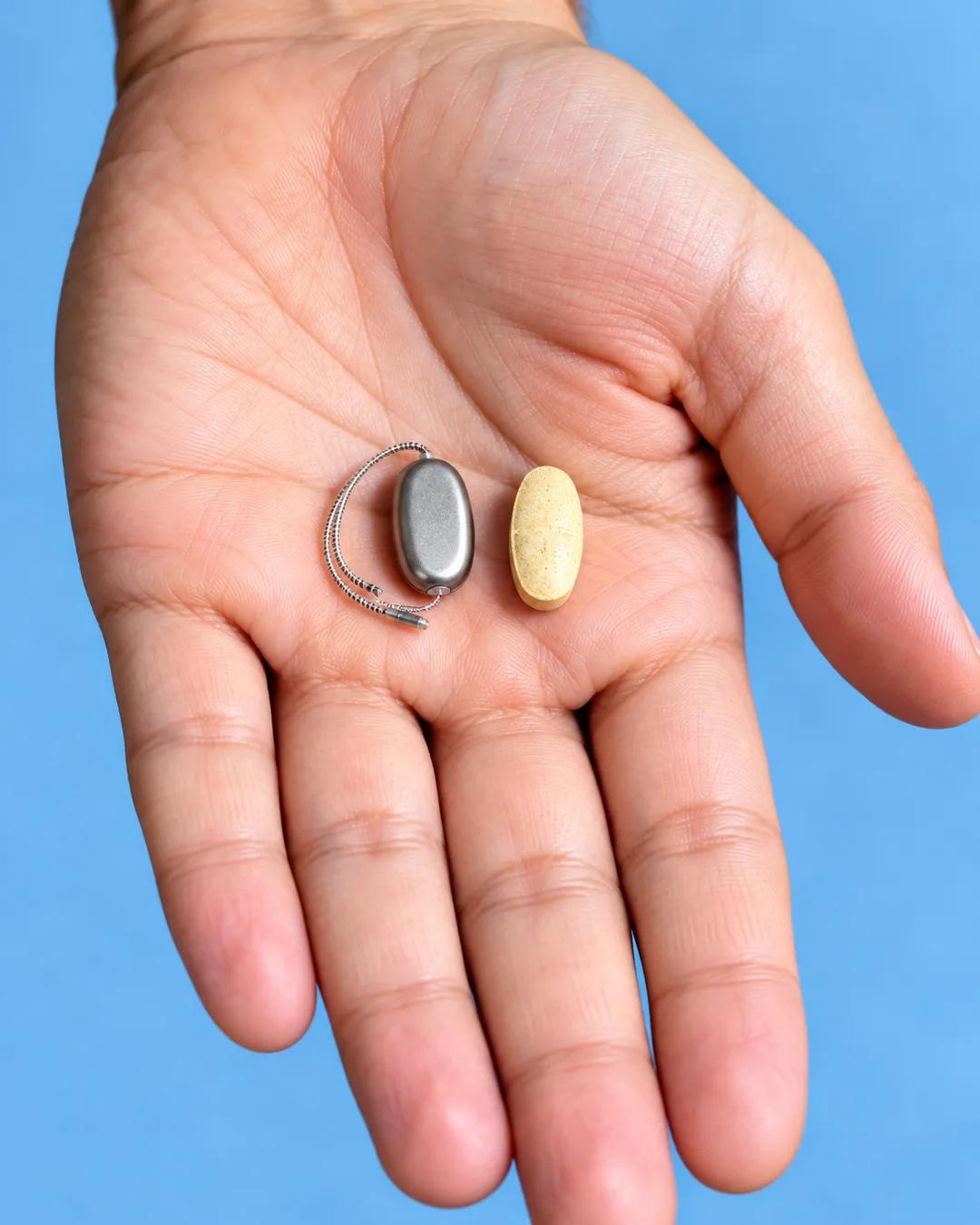
Multivitamin-sized implant calms arthritis
The implant
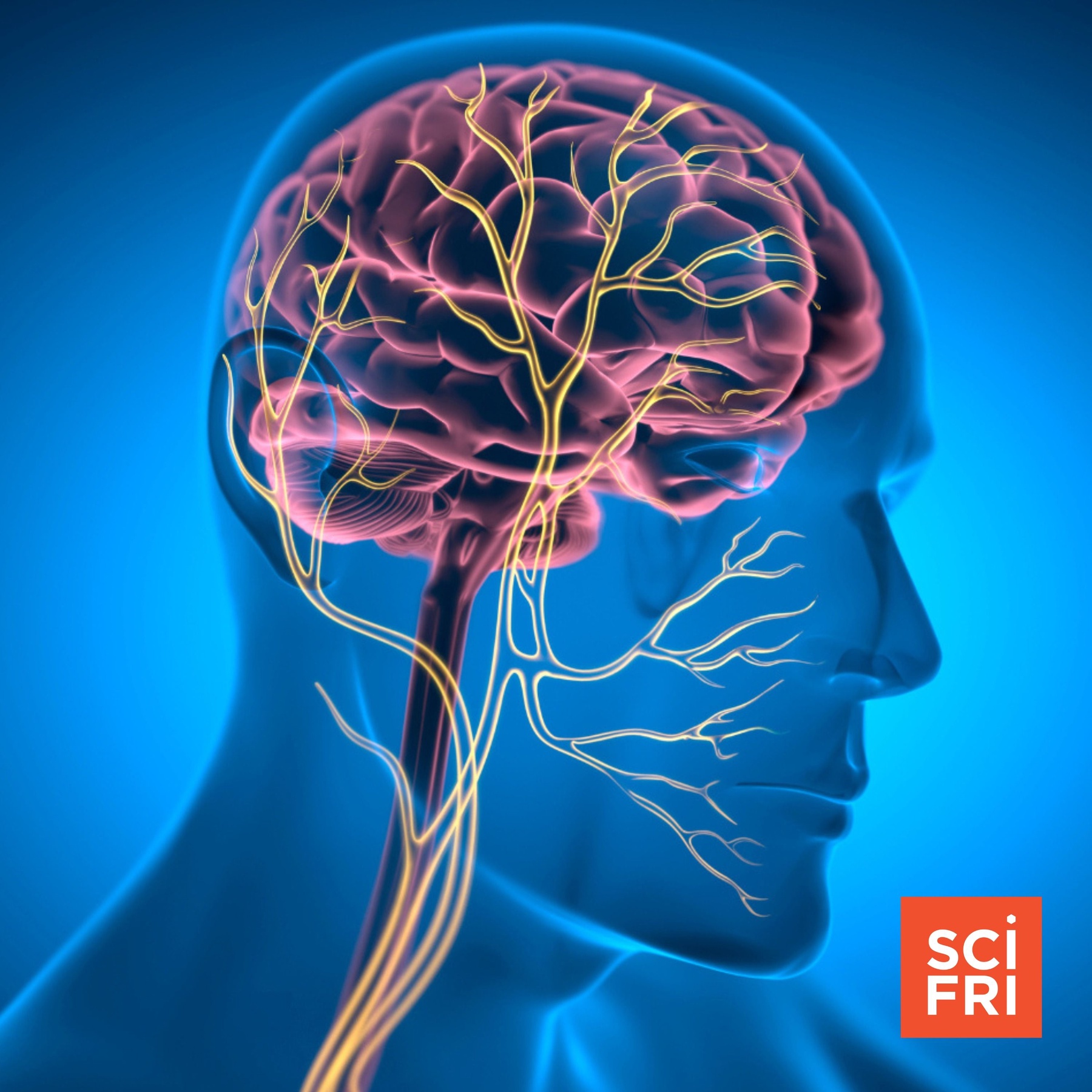
The device is made by Setpoint Medical, a company that neurosurgeon Kevin Tracey co-founded. Turning it on activates what is called the inflammatory reflex in the vagus nerve, which works like hitting the brakes in a car to slow down inflammation in people with rheumatoid arthritis.
The results
It works even in patients who don't respond to the biologics and other available drugs. About 80% of people with rheumatoid arthritis who were not responding to drug therapy are significantly better one year after getting it. Some patients who were nearly disabled now live a normal life without taking any medication. It won't be for everybody, and the field is still in early days.
How patients see it
Patients have embraced the idea. The drugs they use now are extraordinarily expensive, typically work only about 40 or 50% of the time, and carry serious side effects. Immunologists accepted nerve stimulation quickly, because the laboratory data showing it could be effective were so clear.
Why do biologics fail so many people?
Rheumatoid arthritis involves several inflammatory pathways, including TNF, interleukin-6, and others, and the dominant one differs from person to person. A drug that blocks one pathway leaves the others running. Drug classes now exist for each of them, including TNF inhibitors, interleukin-6 receptor blockers, and JAK inhibitors. Patients are often cycled through several classes before one lowers their disease activity.
Why is the implant on the left vagus nerve?
The right vagus nerve sends more fibers to the sinoatrial node, the heart's natural pacemaker. The left vagus nerve has more influence on the atrioventricular node, which has a smaller effect on overall heart rate. Stimulating the left side therefore carries less risk of slowing the heart. Vagus stimulators for epilepsy have been placed on the left for the same reason.
How does an implant calm the immune system?
The implant sends brief electrical pulses along the nerve. Those pulses travel to the brain stem and back down the fibers that reach the spleen. There the signals become chemical messengers that tell immune cells to make fewer cytokines. Rheumatoid arthritis is driven by the cytokine TNF, which makes it a fitting target for this pathway.
More from Science Friday