Korva is a scroll of the internet’s best ideas.

Breathing technically stimulates the vagus nerve
How breathing reaches the nerve
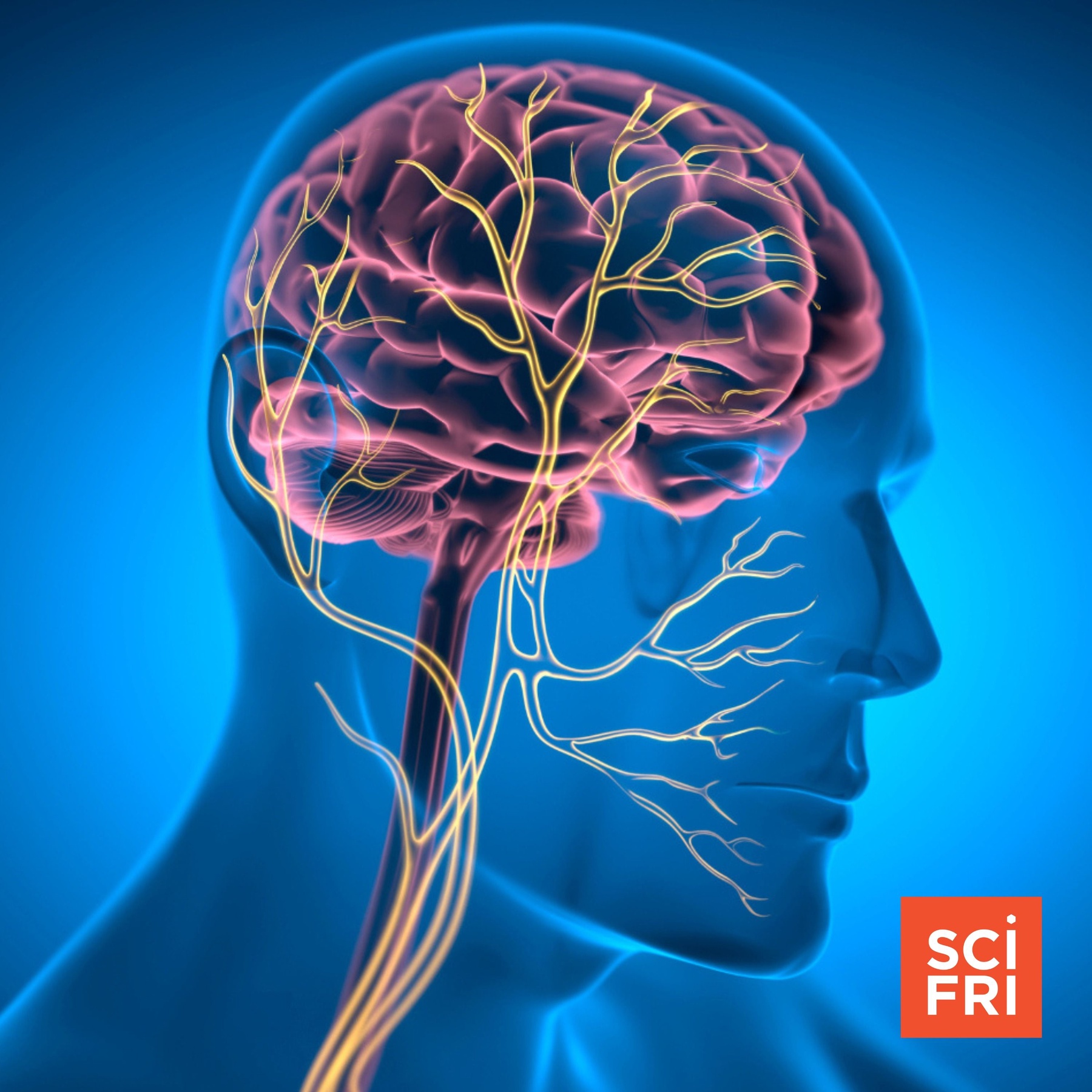
Breathing in expands the lungs, which hold pressure sensors and gas sensors. Those sensors set off vagus nerve signals that travel up into the brain. With those signals arriving, the brain can send signals back down the vagus nerve to the heart to speed it up or slow it down, or down other nerves to the lungs and other organs. Humming engages the branch of the vagus nerve that goes to the larynx.
Why it isn't selective
Calling any of these stimulating the vagus nerve is technically correct, because the nerve has so many functions. It is not the same as putting an electrode on it. Each vagus nerve holds 100,000 fibers, each one a specific nerve carrying specific instructions, so a general behavior cannot pick out one fiber the way a device can.
How treatments get proven
The treatments that reached approval came out of carefully controlled studies, randomized and run in large populations. Devices are also sold on the strength of a claim that they worked in five or 10 people, and then they get advertised.
Why does heart rate rise when you inhale?
Vagal output to the heart is damped during inhalation and returns when breathing out. The result is respiratory sinus arrhythmia, a rhythmic speeding and slowing of the heart that follows each breath. It is strongest in young, healthy people. Carl Ludwig first recorded the pattern in dogs in 1847.
How does humming reach the vagus nerve?
Humming vibrates the larynx, and the muscles of the vocal cords are served by branches of the vagus nerve. The superior laryngeal branch carries sensation from the larynx, and the recurrent laryngeal branch moves the vocal cords. Sensory fibers in those branches report vibration and airflow to the brain stem. The left recurrent laryngeal nerve loops under the aortic arch before climbing back up to the larynx.
Why can electrodes pick fibers that behavior can't?
An electrode delivers current of a chosen strength, shape, and duration, and fibers respond differently to those settings. Large myelinated fibers have the lowest thresholds, so they fire first as the current rises. Thin unmyelinated fibers need stronger or longer pulses. Changing those settings is how engineers bias a device toward some fibers over others.
More from Science Friday