Korva is a scroll of the internet’s best ideas.
Nerve signals silence immune cells
From brain stem to spleen
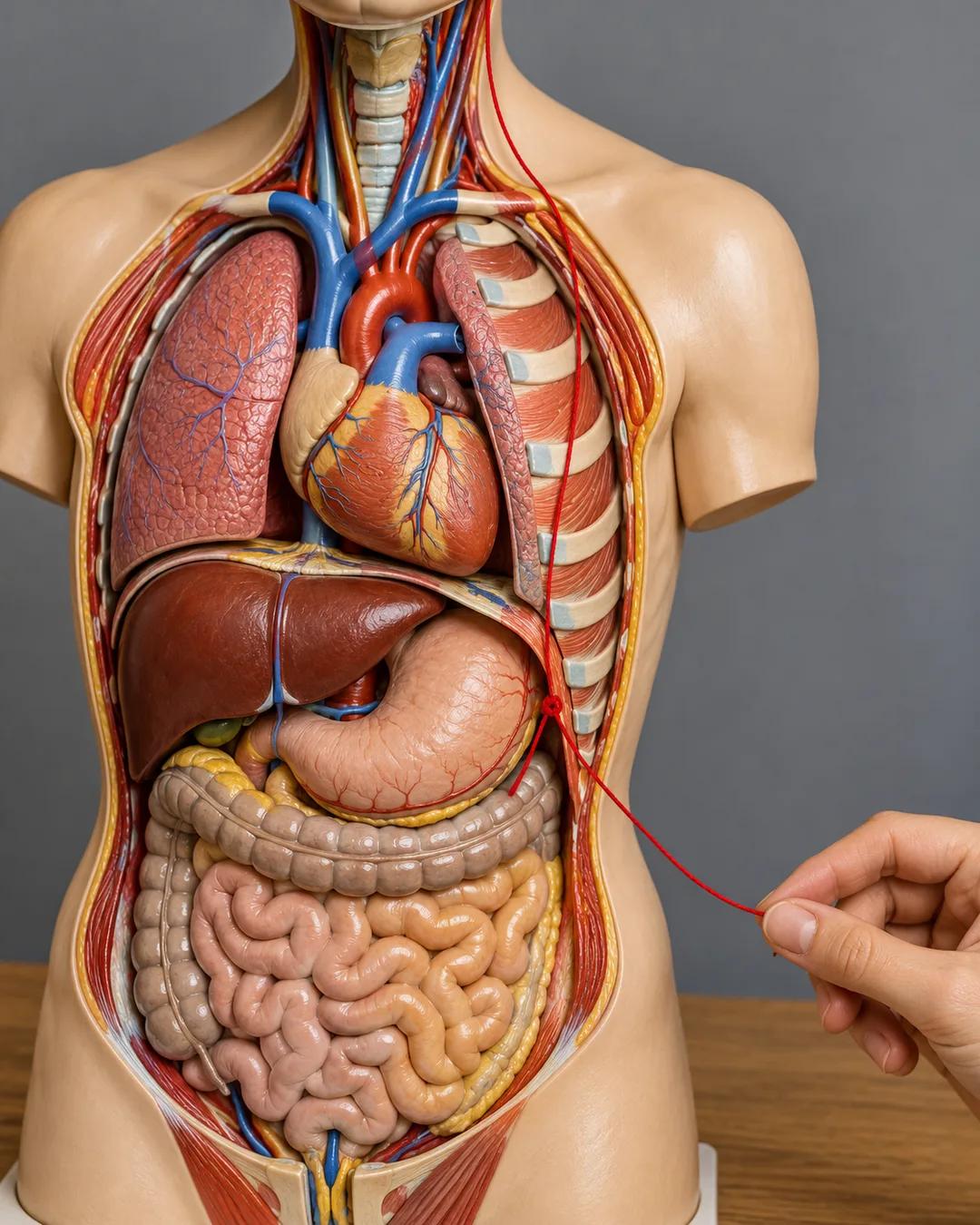
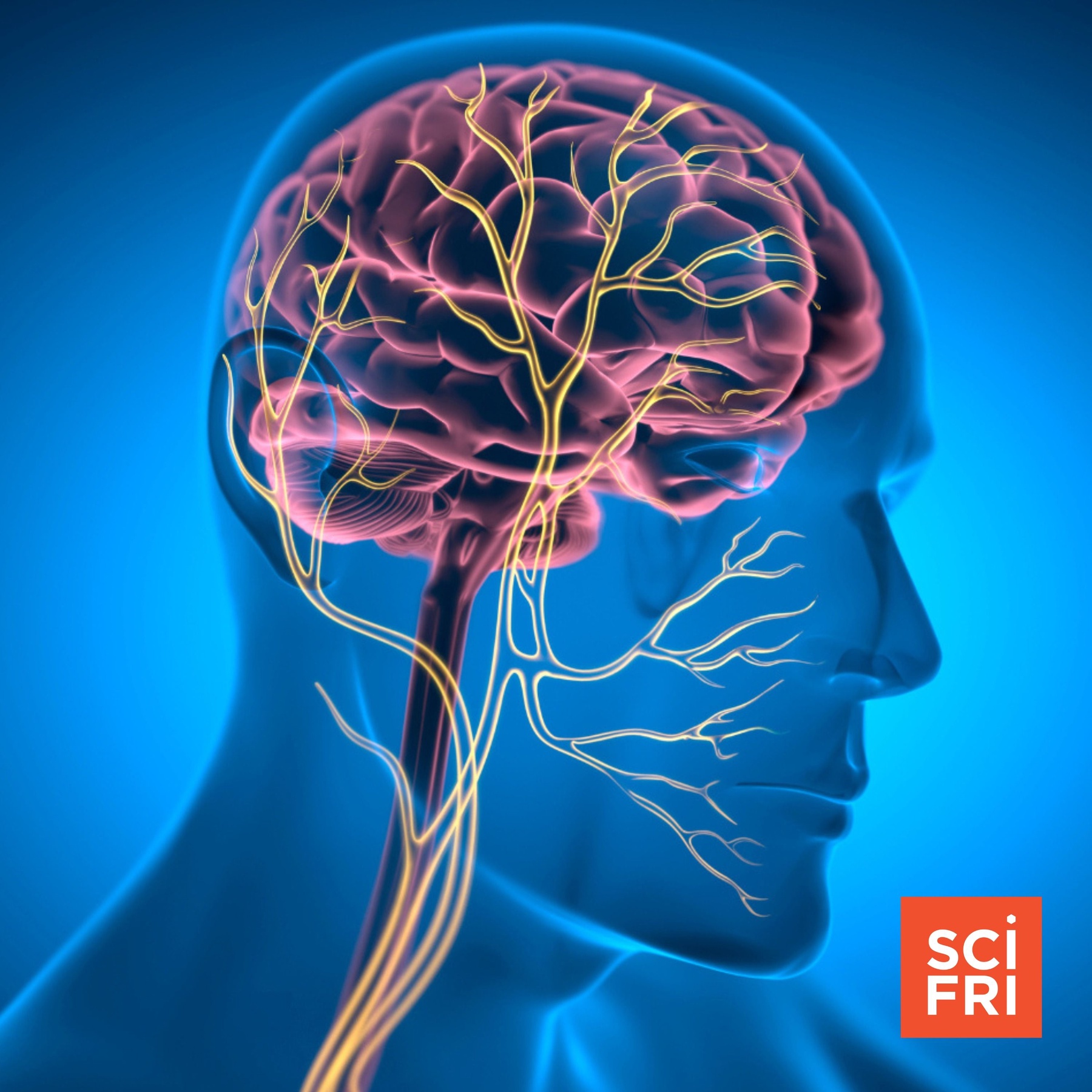
The neurons start in the brain stem, and their fibers run down the vagus nerve through the neck and all the way into the abdomen. They carry electrical signals. When those signals reach the area of the spleen, they are converted into chemical signals, with names like norepinephrine and acetylcholine.
Turning off cytokines
Those chemicals land on the immune cells in the spleen. The production of cytokines, the molecules that drive inflammation, is turned off by their presence. The whole chain can be studied in exquisite detail, and the work has gone on for 15 or 20 years.
The result is a mechanism for vagus nerve control of cytokines that is understood better than the mechanism of many drugs. Electrical signals start in the brain, travel down the nerve, become chemical signals, and switch off the activity of the white blood cells.
How does a nerve's electrical signal become chemical?
When an electrical impulse reaches the end of a nerve fiber, it opens calcium channels. Calcium flowing in makes small packets of neurotransmitter fuse with the cell membrane and spill their contents into the gap beside the next cell. In the spleen, the nerve ending releases norepinephrine. A 2011 paper in Science from Tracey's lab reported that a subset of T cells in the spleen answers by making acetylcholine.
How does acetylcholine stop cytokine production?
Acetylcholine binds the alpha7 nicotinic receptor on macrophages, the white blood cells that release much of the body's TNF. Binding the receptor interferes with signaling inside the cell that normally turns on cytokine genes. In a 2003 paper in Nature, Wang and colleagues reported that mice lacking this receptor lost vagus nerve control of TNF.
Why does the spleen sit at the center of this?
The spleen filters the blood and holds a large reserve of white blood cells. Cytokines released there pour straight into the circulation, so a signal that quiets the spleen reduces inflammation throughout the body. Nerve fibers from the sympathetic system run into the spleen alongside its blood vessels. The spleen is roughly the size of a fist and sits beneath the left side of the rib cage.
More from Science Friday