Korva is a scroll of the internet’s best ideas.
A bullet that turned in midair

Counting the shots
The Warren Commission counted three shots, based on the Dallas police report and the Zapruder film. The film has no sound, but it shows the President hit twice and Governor Connally, seated in front of him, hit as well.
A bystander named James Tague stood under the overpass ahead and to the left of the limousine. When the first shot rang out, a piece of cement from the curb struck his cheek and made it bleed, which meant that shot had missed the motorcade. One of the two remaining shots killed Kennedy with a hit to the head. That left a single bullet to explain every other wound.
The single bullet
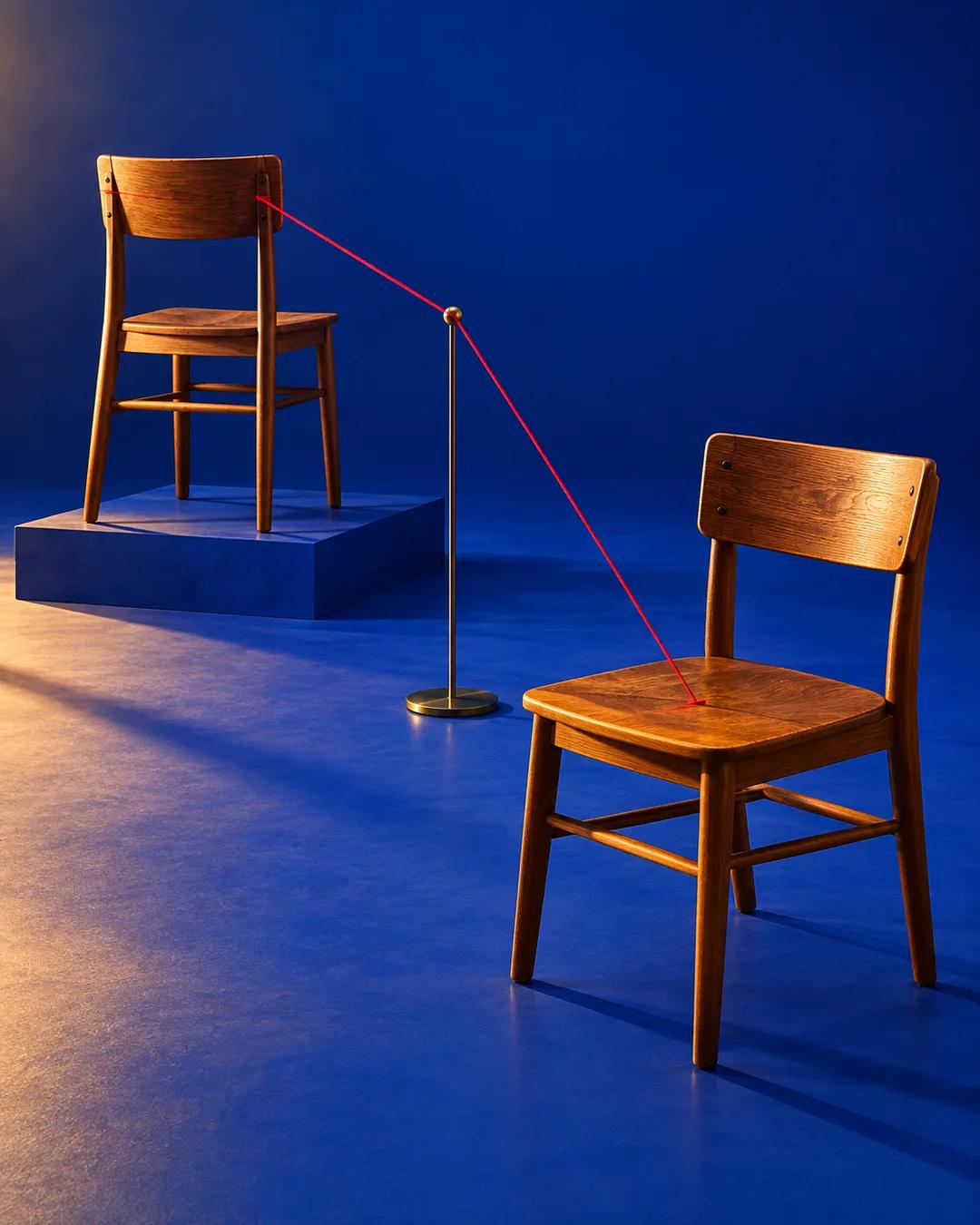
Arlen Specter, then junior counsel for the Commission, came up with the single bullet theory. Dr. Cyril Wecht, a forensic pathologist who has done more than 17,000 autopsies, traces its path: the bullet enters Kennedy's upper back and moves upward through the chest at 11.5 degrees, leaves the throat, turns in midair, and hits Connally behind the right armpit. It exits below nipple level, shatters a long bone in the wrist, and re-enters the Governor's left thigh.
The objections
Critics point out that Kennedy was not bent over. He was sitting upright, looking at the crowd, cheering and waving. Connally testified several times that he was not hit by the same bullet that hit Kennedy, and on the Zapruder film he turns around after Kennedy reacts to the throat hit and is struck moments later. The surgeons who operated on his wrist and chest at Parkland also did not think all of his wounds came from one bullet.
Why does the Zapruder film have no sound?
Abraham Zapruder shot the footage on an 8mm home movie camera, a Bell and Howell Zoomatic. Home 8mm cameras of 1963 recorded only silent images onto color film. The film runs about 26 seconds at roughly 18 frames per second. Researchers later used those frame counts to time the events of the shooting.
How do investigators trace a bullet's path through a body?
They begin by matching entry and exit wounds to the damage found inside the body, such as bruised tissue and broken bone. Then they place the victim's body in the posture it held at that moment, because a seated or leaning person changes every angle. Investigators have long used thin rods or lasers through the wounds in reconstructions to test whether the line holds. Small changes in posture can shift a calculated path by many degrees.
Can a bullet change direction inside a body?
Bullets can deflect when they strike bone or dense tissue, and they can begin to tumble end over end, called yaw. Round-nosed military bullets tend to hold their shape better than softer hunting bullets, which expand on impact. The damage a bullet leaves therefore depends on its design as much as its speed. Forensic ballistics studies often test this by firing into gelatin blocks that mimic muscle tissue.
More from Who Killed JFK?