Korva is a scroll of the internet’s best ideas.
A calorie is just a unit
What TEF is
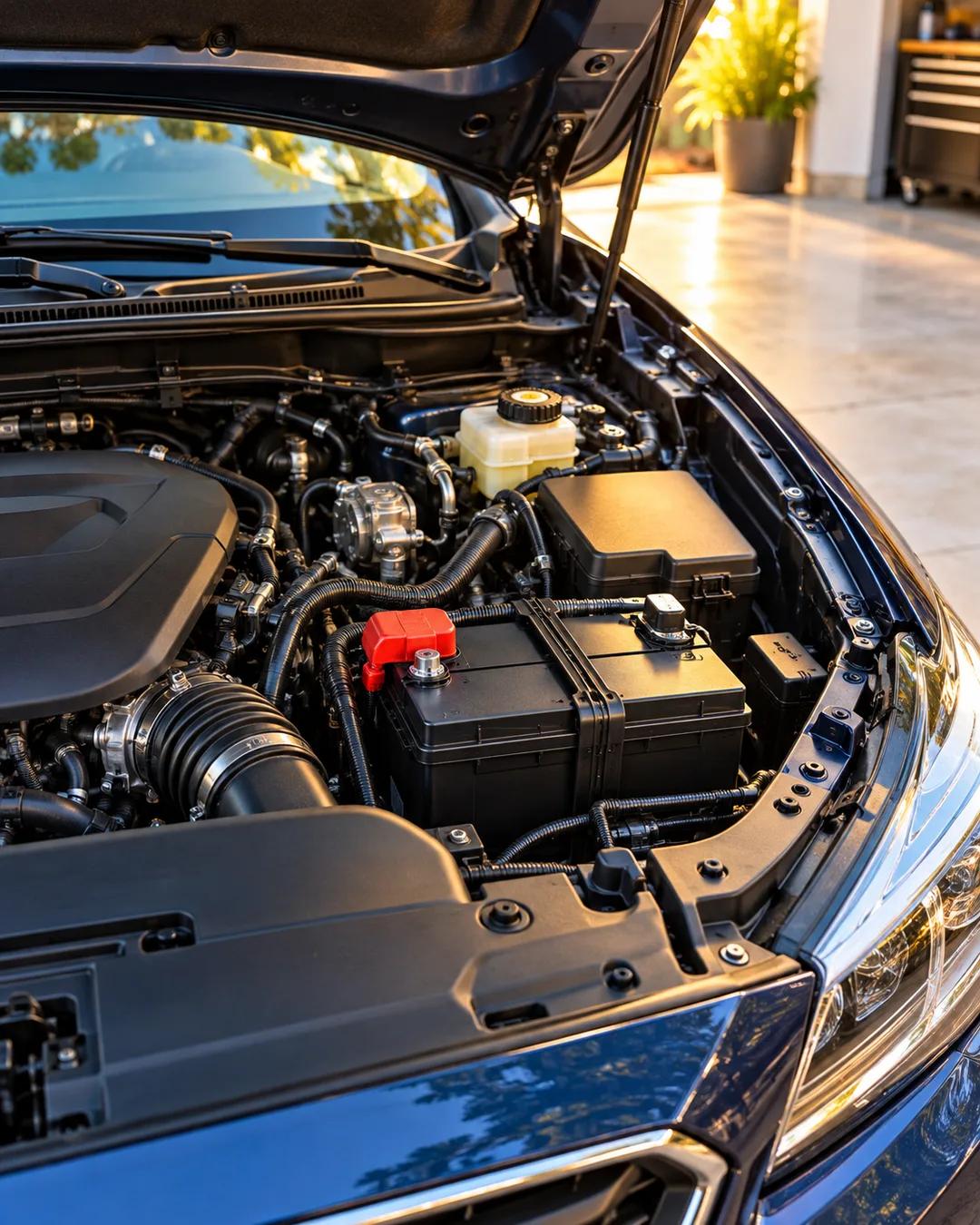
The cost of extracting energy from food is called the thermic effect of food, or TEF, and it makes up roughly 5 to 10 percent of total daily energy expenditure. It is hard to measure, so researchers usually assume a constant. Think of a car: it needs a battery to start before it can use the petrol in the tank, and the body likewise has to spend energy to break food into forms that produce energy.
TEF by nutrient
Fat has a TEF of about 0 to 3 percent, so 100 calories of fat nets about 97 to 100. Carbohydrate runs around 5 to 10 percent, with fiber content making a big difference. Protein runs 20 to 30 percent, so 100 calories of protein nets only 70 to 80.
Net calories
Protein carbon is unlikely to wind up in adipose tissue. Protein still provides net calories, fewer than carbohydrate or fat, and it tends to be more satiating. Sources of calories can have different effects on energy expenditure and appetite.
How did scientists decide a food calorie count?
The standard method comes from Wilbur Atwater, a chemist at Wesleyan University in the 1890s. He burned foods in a calorimeter to measure heat, then ran digestion trials on volunteers to see how much energy was lost in stool and urine. His averages became the familiar factors of 4 calories per gram of protein and carbohydrate and 9 per gram of fat. Food labels still use them.
Does cooking change how many calories a food yields?
Richard Wrangham at Harvard has argued that cooking raised the energy humans get from food. In a 2011 study in PNAS, Rachel Carmody and colleagues found that mice gained more energy from cooked sweet potato and cooked meat than from raw forms of the same foods. Heat gelatinizes starch and softens meat protein, making both easier to digest.
Why do nuts give fewer calories than labeled?
In a 2012 feeding study in the American Journal of Clinical Nutrition, Rachel Novotny and colleagues at the USDA found whole almonds yielded about 129 calories per ounce, compared with the 170 predicted by Atwater factors. Cell walls in nuts keep part of their fat locked inside, so it passes through undigested. Grinding or roasting raises the fat the body can access.
More from Andrew Huberman