Korva is a scroll of the internet’s best ideas.
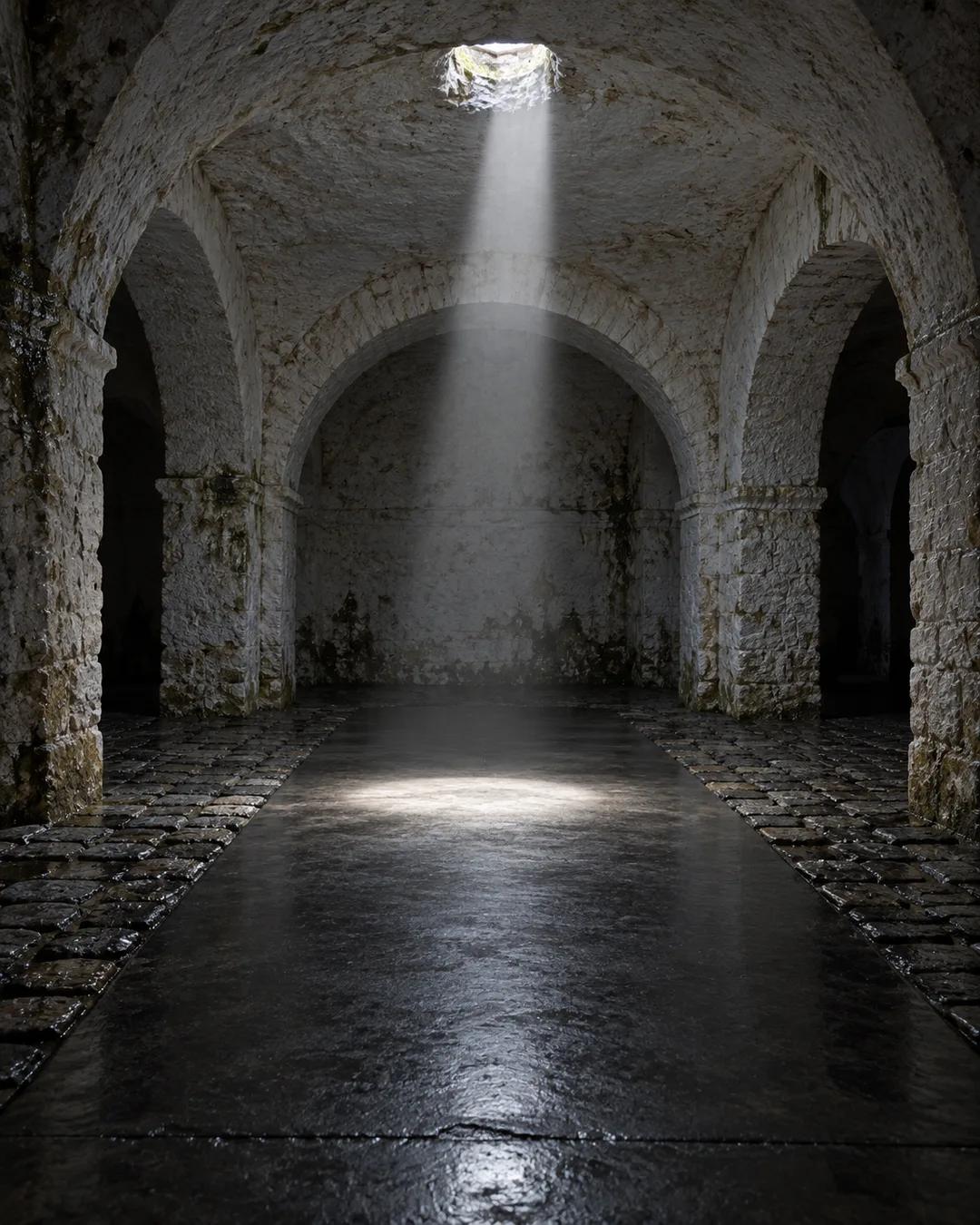
A dungeon floor made of waste

The dungeon
Cape Coast Castle was the headquarters of the British slave trade. In the dungeon at its bottom, men were kept in one area and women and children in another, with about 1,000 people shackled down at any time. A single shaft let in light and was where food and water were dropped. A narrow groove ran down the floor to carry off waste, but it was always clogged, and in the rainy season the floor ended up covered in sewage sludge.
The march to the coast
Captives had been marched hundreds of miles from the interior, as far as the Sahel, and a quarter to a third of them died on the way. The survivors spent months in the dungeon. When Siddharth Kara visited, the floor was cobbled until one section ran perfectly smooth. A guide from the Ministry of Museums explained that it had been left just the way it was found.
Inspection and sale
When a ship arrived, it dropped anchor a mile or two offshore, and the captain took a canoe to the castle to meet the governor. Captives were brought out and cleaned, covered in palm oil to look healthy, and inspected: the ship's surgeon opened their mouths, checked their lymph nodes, and made them cough. Those chosen were bought and branded on the shoulder.
Why was Cape Coast Castle built?
Swedish traders built the first lodge on the site in 1653 to trade timber and gold. The Danes and the Dutch took it in turn, and the English seized it in 1664. Over the following centuries it was rebuilt and enlarged into a castle that served as a hub for the gold and slave trades. UNESCO inscribed it as a World Heritage site in 1979 together with other forts and castles along the Ghanaian coast.
Why were captives covered in palm oil?
Palm oil made skin gleam, which helped captives look healthier and stronger to buyers. It also helped hide scars, sores, and the pallor of illness. Accounts from slave-ship surgeons describe sellers going further to disguise age and sickness, including dyeing gray hair. Buyers examined each person closely before agreeing on a price, so appearance carried real money.
What stood above the castle's dungeons?
The dungeons were cut into the rock beneath the castle courtyard. Above them stood the governor's quarters and a chapel, which visitors today are shown directly above the male dungeons. The castle also held storerooms for trade goods, offices, and a courtyard where captives were gathered. Cannons on the ramparts faced both the sea and the town.
More from The Joe Rogan Experience