Korva is a scroll of the internet’s best ideas.

A fatty acid chain makes drugs last
The albumin bus
Albumin is a protein in the blood that carries lots of different things around, like a little bus going around the body. The chain lets the peptide bind to albumin and get on the bus, and eventually it gets off.
A week-long drug
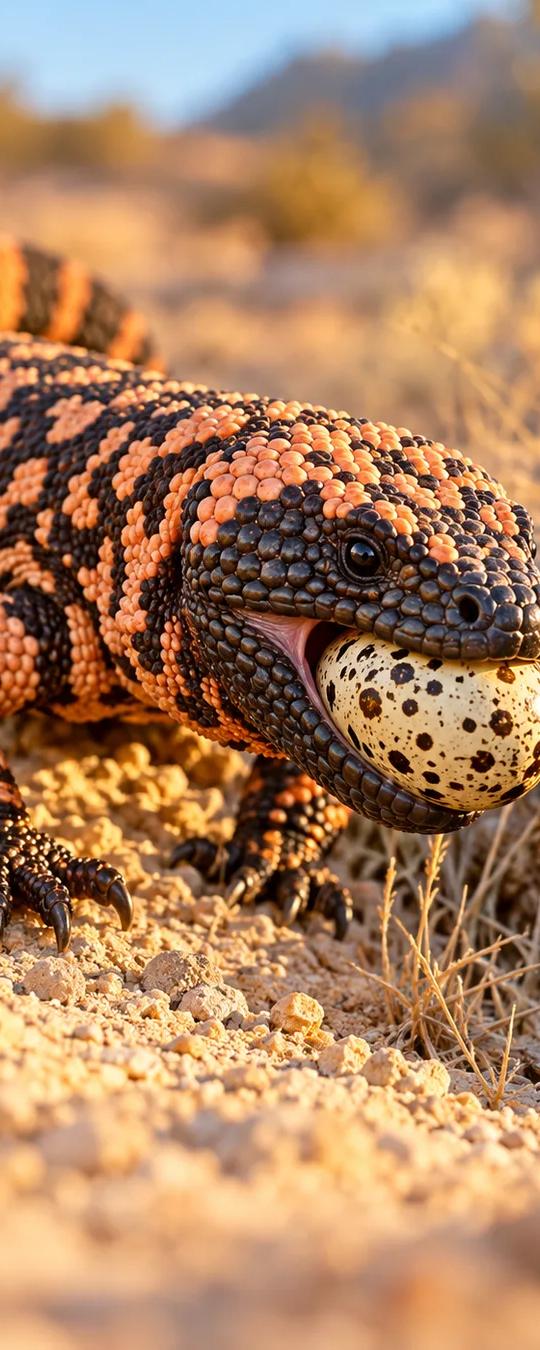
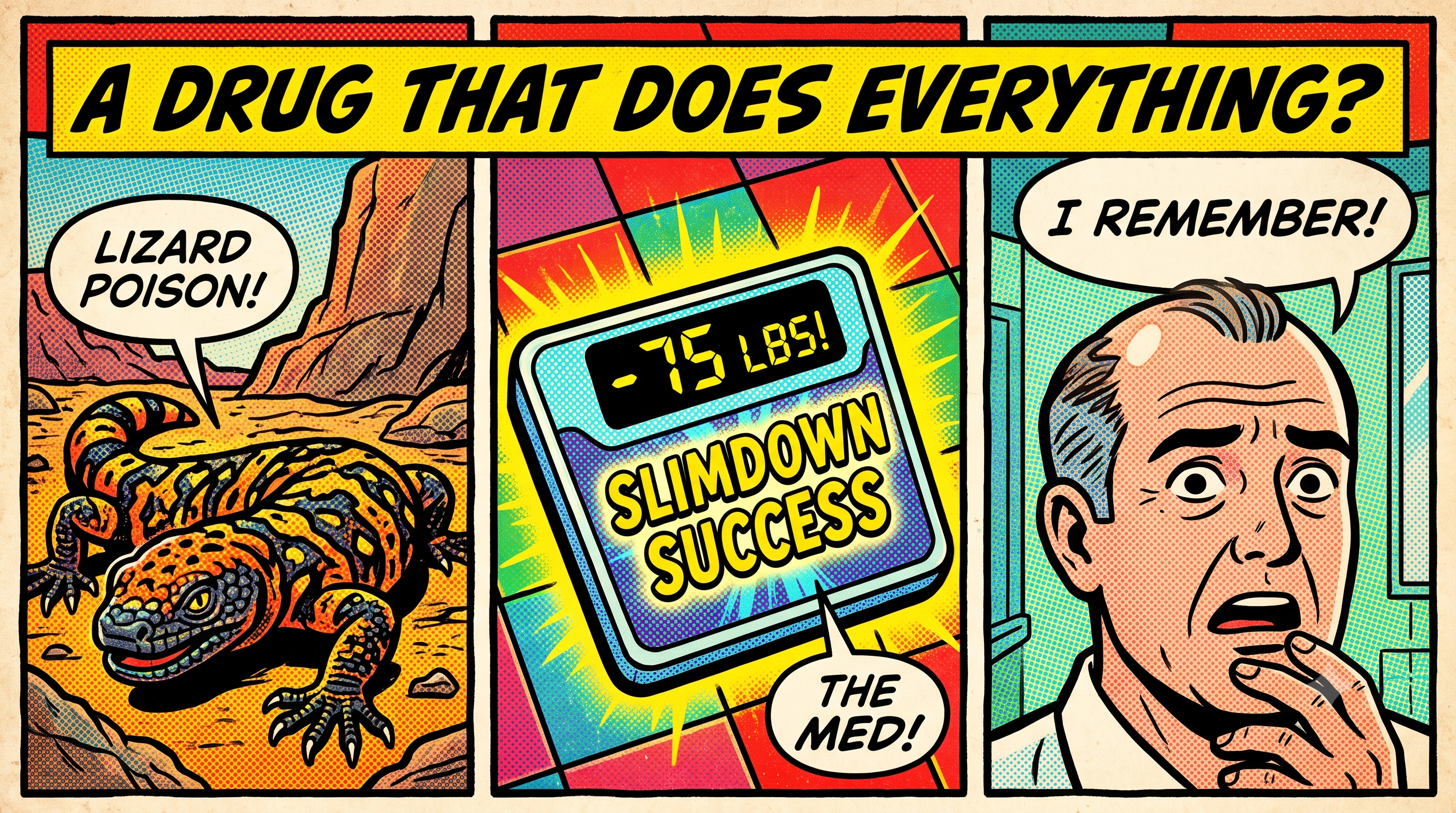
Exenatide, the original lizard-derived drug, could last hours. Scientists at Novo Nordisk tweaked it into liraglutide with a fatty acid chain attached, and liraglutide can last a day. Semaglutide was modified even more, with a stronger fatty acid chain that grips albumin more tightly, so it lasts about a week.
Natural GLP-1 lasts only about two minutes in the body. The line from the 1992 Gila monster insight, through the first drug in 1996 and onward, is a series of tweaks to that original peptide.
Why does riding albumin make a drug last longer?
Albumin is large, about 66 kilodaltons, so the kidney's filter largely holds it back, and a peptide riding on albumin avoids that filtering. Bound peptides are also shielded from enzymes that would cut them. Albumin itself lasts about 19 days in the body because cells rescue it from digestion and release it back into the blood through a receptor called FcRn.
How does a fatty acid chain grab albumin?
Albumin's natural job is carrying fatty acids, and it has several pockets built to hold their long chains. Attaching a similar chain to a drug lets the drug borrow that grip. Liraglutide, approved by the FDA in 2010 as Victoza, carries a 16-carbon fatty acid. Semaglutide, first approved in 2017 as Ozempic, carries an 18-carbon diacid chain that binds albumin more tightly.
How else has albumin binding extended insulin?
Novo Nordisk used the same idea for insulin detemir, which has a 14-carbon fatty acid chain attached. The chain lets insulin molecules bind albumin, which slows their release into the body's tissues. The FDA approved it as Levemir in 2005.
More from Saloni Dattani