Korva is a scroll of the internet’s best ideas.
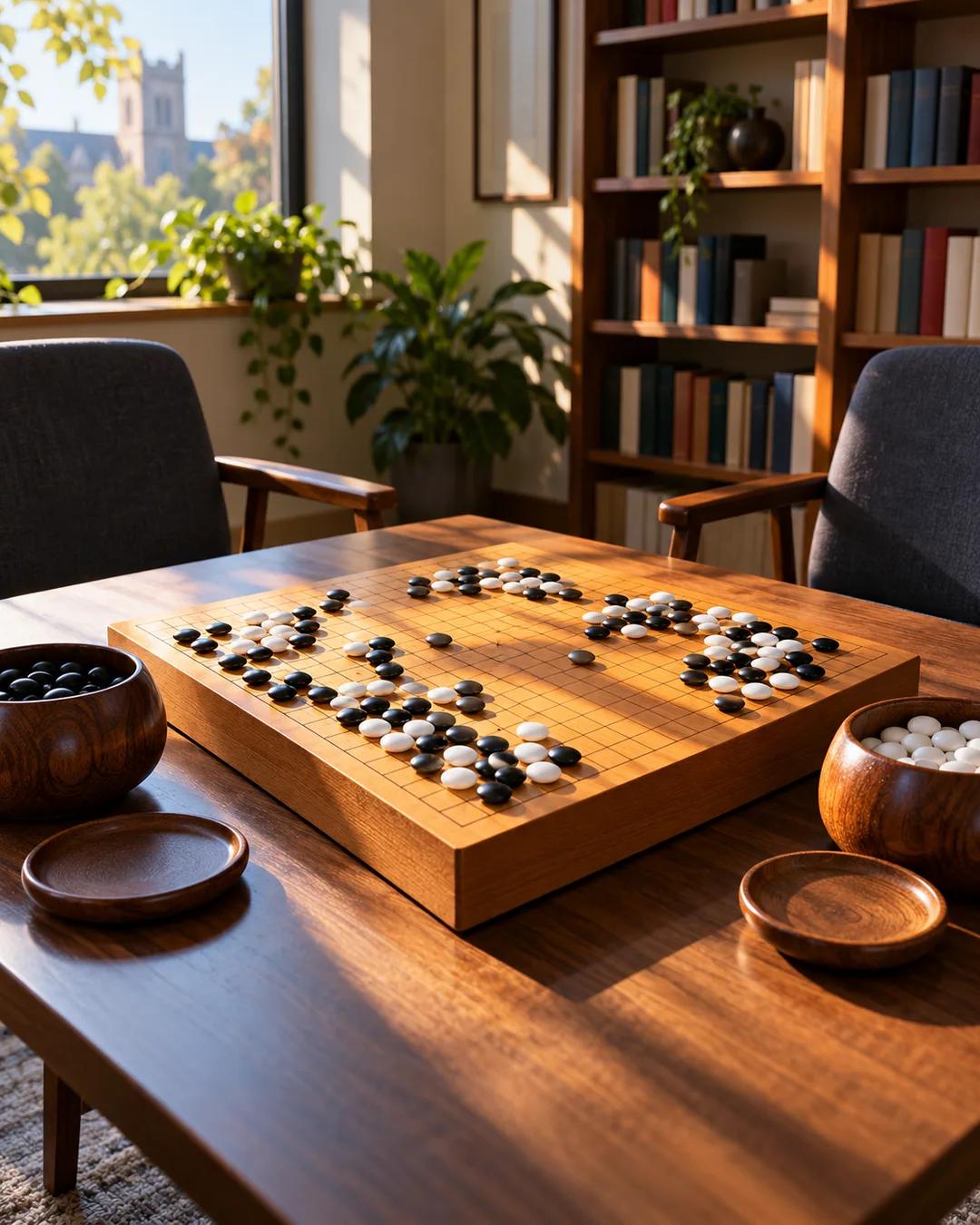
A Go game brought them to America

The weekend games
The student was a very good Go player, a seven dan, which would be roughly a 2,300 to 2,400 rating in chess. On weekends he played the professor, generally won, and talked the games over afterward. The professor liked him for it.
The move to America
Then the professor moved to the United States to teach, very early in Chinese immigration to the country, when most people didn't know it was a path anyone could take. He wrote back that it was great, that there was far more opportunity, and that he would help with the visa application and with applying to colleges.
The son
The student applied to grad school in the US and came over. His son, born after the move, grew up in Baton Rouge, Louisiana, and went on to co-found the AI company Cognition.
Why is Go harder for computers than chess?
A chess position offers about 35 legal moves on average, while a Go position offers around 250. Go also has no simple scoring rule for a single piece, so judging who is ahead is hard even for experts. Because of this, brute-force search that worked for chess stalled in Go. In 2016, DeepMind's AlphaGo beat the professional Lee Sedol 4 to 1 using neural networks to evaluate positions.
How do dan ranks work in Go?
Go ranks run from beginner kyu grades down to 1 kyu, then up through dan grades. In amateur play, the gap between ranks is tied to handicap stones. A player who is one rank stronger gives the weaker player one extra stone on the board to even the game. That system lets players of very different strength have close games.
More from David Senra