Korva is a scroll of the internet’s best ideas.
A Halloween aisle changed his mind
Two certainties
Kelly Benham, a reporter at the Tampa Bay Times, had always been certain she would have a daughter: feisty, mischievous, dark-haired, with a dirty face, a tree climber and a dog chaser. Tom French, a fellow reporter, was about ten years older. He had two sons nearing the end of college and was ready to travel. The only world tour that interested him was following Springsteen around Europe.
The dark era
Neither would give way, and it was brutal. They broke up, and since they worked at the same newsroom, an invisible line formed that neither would cross. It ran at the mailboxes. They call it the dark era.
The Halloween aisle
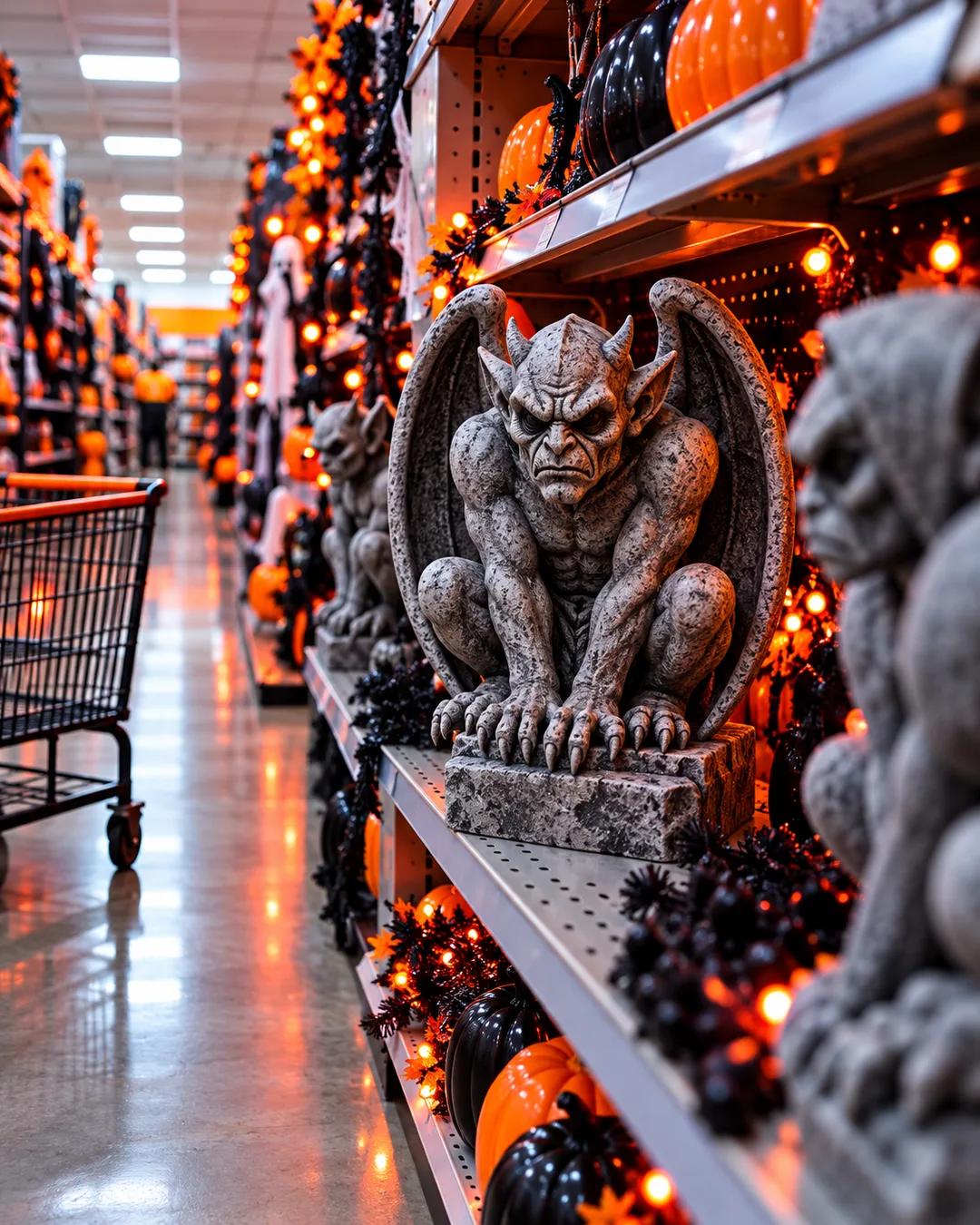
Tom and his sons have loved Halloween forever, and he was walking through the Target Halloween section to see whether the gargoyles had anything new. Something stopped him in his tracks. He realized he was acting as though he were 80, and that nobody knows how much time they have. To have a child is to embrace a future you can't control. He went home and wrote Kelly a long letter. She was already over him, but over a few months they patched things up, got married, and began trying to have a baby.
Why do gargoyles sit on old buildings?
Gargoyles began as waterspouts on medieval buildings, carved with channels that threw rainwater clear of the walls so it would not wash out the mortar. The name comes from the Old French gargouille, meaning throat. Carved figures that do not carry water are technically called grotesques. Many of the best known ones on Notre-Dame in Paris were added in the nineteenth century during the restoration led by Eugène Viollet-le-Duc.
How did Halloween become an American holiday?
Halloween grew out of Samhain, a Gaelic harvest festival in Ireland and Scotland that marked the start of the dark half of the year. The name is a contraction of All Hallows' Eve, the night before the Christian feast of All Saints on November 1. Irish and Scottish immigrants carried its customs to the United States in the 1800s. Trick-or-treating as American children know it became widespread in the 1930s.
More from Radiolab