Korva is a scroll of the internet’s best ideas.
A helicopter melted to the ground

A failed fishing trip
It was 1998, and the four men had flown into Murmansk and then on to a salmon camp by Russian-era helicopter. They fished four of the seven days without a nibble, so they chartered a small helicopter to leave early and explore the town. Partway there it landed to refuel in a village that lived on herding reindeer and catching salmon.
Fire at the refueling stop
As the men climbed out, the fuel nozzle came loose and sprayed fuel into the rotors. The helicopter ignited and melted to the ground, and the man doing the refueling, doused in fuel, died. Fuel also hit a friend, Joe Robert, who was standing about three feet from Mitch Rales, and the wind blowing away from him is what saved him. Rales was not doused: he dove into a pit and ran off on all fours.
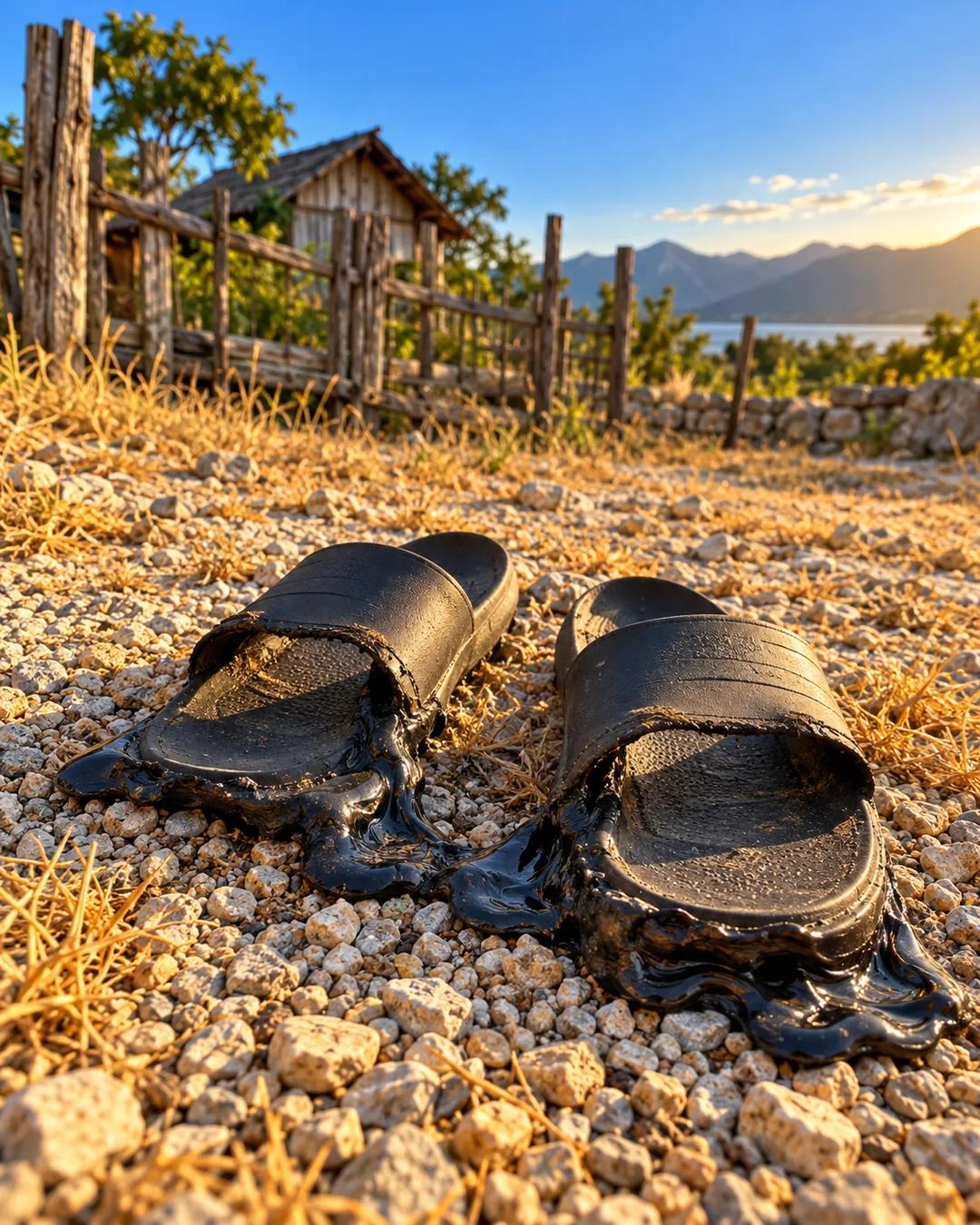
The village had no cell phone, no satellite phone, and no phone lines, only a World War II radio that took some coaxing. A Morse code message finally got out, and about twelve hours later another helicopter arrived. Mitch left Russia in a pair of shorts and a torn T-shirt, in sandals that had melted where he ran out of them, with everything else he brought gone.
The question that changed things
Back home, his father asked what he had learned from it, and then asked whether he wanted to be the richest man in the cemetery. The answer was no. That question started his giving. The idea of building a museum began to take shape, and it became Glenstone, the museum he and his wife Emily founded in 2006.
Why does sprayed fuel ignite so easily?
Spraying breaks liquid fuel into a fine mist, which exposes far more of its surface to air than a puddle would. Vapor, not liquid, is what burns, so a mist can light at temperatures well below the point where the same fuel sitting in a can would catch. A running turbine engine supplies hot metal and exhaust close by, and a spinning rotor can throw the mist in every direction. Aviation rules call for bonding and grounding wires between aircraft and fuel equipment because a single static spark can be enough.
How did Morse code reach help from nowhere?
Morse code needs nothing more than a transmitter switched on and off, so it works on very simple, low-power radios. Its narrow signal stands out from static better than a voice does. Shortwave signals also bounce off the ionosphere, an electrically charged layer of the upper atmosphere, which carries them hundreds or thousands of miles past the horizon. Ships and remote stations relied on this combination for decades before satellite phones existed.
Why is the Kola Peninsula famous for salmon?
Rivers across the Kola Peninsula, which lies north of the Arctic Circle in Russia, run clear and cold from tundra lakes into the Barents and White Seas. Atlantic salmon return to those rivers each summer to spawn, and the runs include very large fish. The Sámi, an Indigenous people of northern Scandinavia and the Kola Peninsula, have herded reindeer and fished these waters for centuries. Several rivers there, including the Ponoi, host fishing camps that guests reach mainly by helicopter.
More from Joys of Compounding