Korva is a scroll of the internet’s best ideas.

A joke tweet became a book
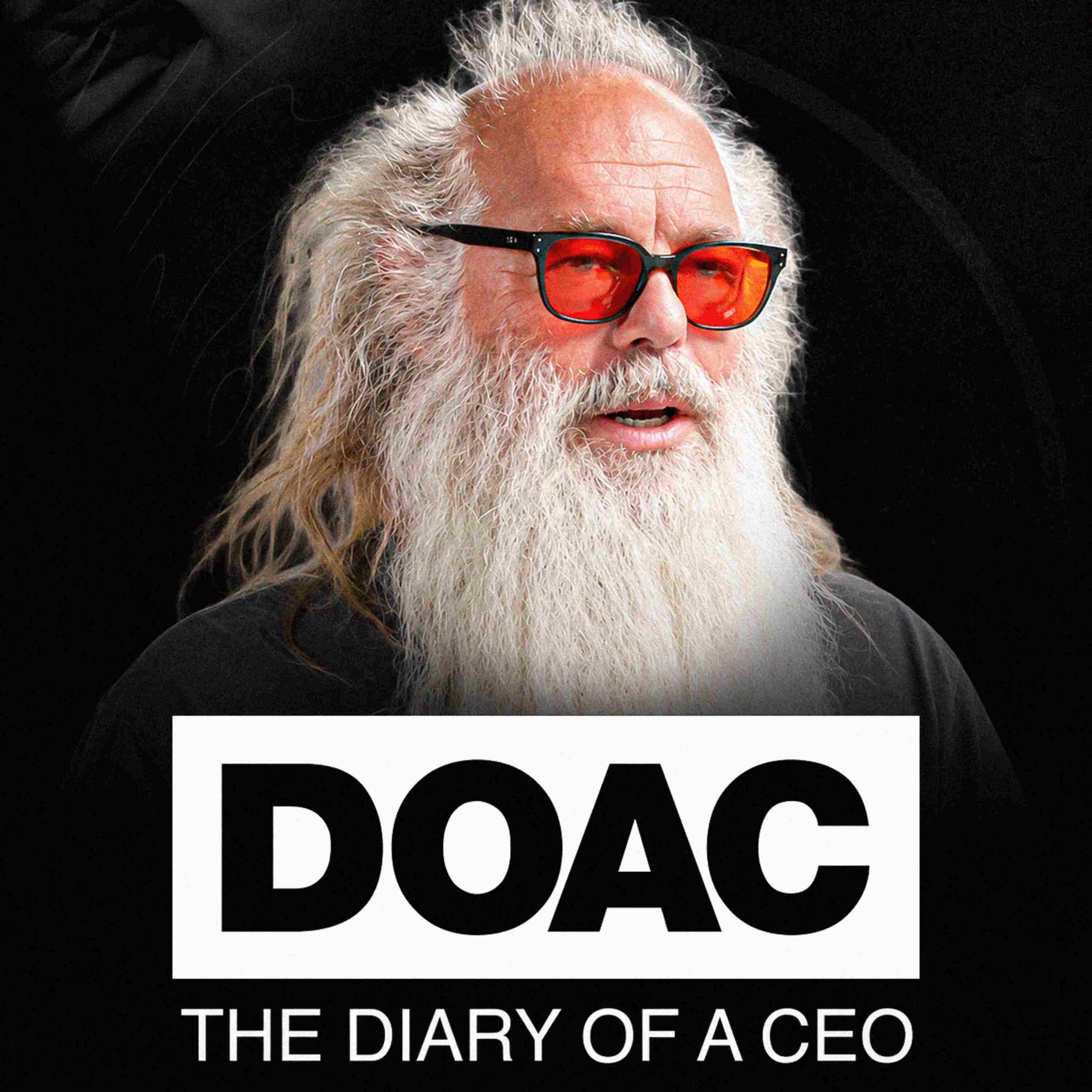
When Andrej Karpathy coined the term vibe coding, someone posted a picture of Rick Rubin in headphones, and the image became attached to the term. Rubin had never heard of vibe coding. Over the next few days, friends sent him hundreds of versions of the picture.
That much energy pointing at one thing felt like an invitation, the way a movie recommended by two or three people gets his attention. So he wrote a joke tweet: Tools will come, tools will go, only the vibe coder remains. His tweets usually draw ten or twenty thousand views. The next day this one had a million and a half.
He answered the invitation again. Still not knowing what vibe coding was, he set aside his professional work and wrote a book about it, The Way of Code, an adaptation of the Tao for vibe coding. He couldn't explain why, and he didn't think it was a good idea. It felt like a calling.
How did vibe coding get its name?
Andrej Karpathy, a founding member of OpenAI and a former head of AI at Tesla, posted the phrase on X in February 2025. He described a style of programming where you give in to the vibes and let an AI model write the code. The term spread fast among developers and the wider public. Collins Dictionary named vibe coding its Word of the Year for 2025.
Why do people keep retranslating the Tao Te Ching?
The Tao Te Ching is one of the most translated books in world literature, with hundreds of English versions alone. The text is short, about 5,000 Chinese characters in 81 short chapters, and classical Chinese leaves much open to interpretation. A single word can be rendered several ways, so each translator makes choices that change the tone. Scholars generally date the text to around the fourth century BCE, with the work traditionally attributed to Laozi.
More from The Diary Of A CEO with Steven Bartlett