Korva is a scroll of the internet’s best ideas.

A macrophage is a black rhino
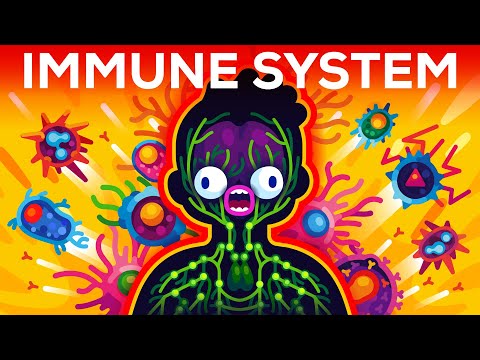
A cut on a dirty twig leaves dead cells, blood, and dirt in the wound, and bacteria move into the spaces between your cells. The cells that survived the impact or are hurt and dying release chemical alarm signals, and macrophages are the first to show up. Within seconds they stretch out parts like the arms of an octopus, grab the bacteria, swallow them whole, and digest them alive. A macrophage can eat 100 bacteria before it is exhausted.
Meanwhile your blood vessels let fluid stream into the wound like a dam opening up toward a valley. That fluid is the inflammation you notice: the thumb swells a little and turns red and warm. It carries millions of complement proteins, a sort of automated liquid weapon that stuns and kills bacteria by ripping holes into them.
Why does a wound swell, redden, and warm?
Cells at the wound release signals such as histamine that widen nearby blood vessels and make their walls leaky. Wider vessels bring more blood, which produces the redness and heat, and the leaking fluid produces the swelling. The Roman writer Celsus listed redness, swelling, heat, and pain as the four signs of inflammation in the first century. The fluid also carries antibodies and clotting proteins to the injury.
How do complement proteins punch holes in bacteria?
Complement proteins circulate in the blood as inactive pieces that switch on in a chain reaction when they touch a microbe's surface. The final pieces, called C5b through C9, assemble into a ring that sits in the bacterial membrane as a pore. Water and ions rush through the pore, and the bacterium bursts. Many gram-positive bacteria have a thick outer wall that makes them largely resistant to this attack.
How did anyone discover cells eat bacteria?
Elie Metchnikoff saw it in 1882 while watching the transparent larvae of starfish in Messina, Italy. After he pushed a thorn into a larva, mobile cells gathered around it, and he concluded they were swallowing foreign material. He named them phagocytes, from Greek words for eating cells. He shared the 1908 Nobel Prize in Physiology or Medicine with Paul Ehrlich.
More from Kurzgesagt – In a Nutshell