
Korva
134 insights saved from Kurzgesagt – In a Nutshell's videos by @culture, @health, @nature and 2 others
Loneliness16 insights · See all
  1. When you're lonely the brain becomes hyper‑receptive to social cues but worse at interpreting them, so you notice others more while understanding them less.

    When you're lonely the brain becomes hyper‑receptive to social cues but worse at interpreting them, so you notice others more while understanding them less.
  2. Human wellbeing depends on social connections, so built environments and institutions should be designed to facilitate everyday human interaction because people meet core needs through relationships rather than physical surroundings.

    Human wellbeing depends on social connections, so built environments and institutions should be designed to facilitate everyday human interaction because people meet core needs through relationships rather than physical surroundings.
Black Holes Explained – From Birth to Death16 insights · See all
  1. Supernova explosions create the universe's heavy elements because the implosion and explosive reheating generate the extreme temperatures, densities, and neutron fluxes needed to fuse nuclei beyond iron and disperse them into space.

    Supernova explosions create the universe's heavy elements because the implosion and explosive reheating generate the extreme temperatures, densities, and neutron fluxes needed to fuse nuclei beyond iron and disperse them into space.
  2. Supermassive black holes will outlive any observers because Hawking evaporation scales so steeply with mass that the largest black holes require vastly more than the universe's current age—often by many orders of magnitude—to evaporate.

    Supermassive black holes will outlive any observers because Hawking evaporation scales so steeply with mass that the largest black holes require vastly more than the universe's current age—often by many orders of magnitude—to evaporate.
What Happens if the Moon Crashes into Earth?15 insights · See all
  1. Extremely high tides push seawater into estuaries and upriver, forcing rivers to flow backward and depositing salt into surface and groundwater systems, which contaminates freshwater supplies.

    Extremely high tides push seawater into estuaries and upriver, forcing rivers to flow backward and depositing salt into surface and groundwater systems, which contaminates freshwater supplies.
  2. Volcanic aerosols lofted into the stratosphere reflect incoming sunlight and chemically alter the atmosphere, which reduces surface heating and causes acid deposition and disrupted precipitation patterns that harm ecosystems.

    Volcanic aerosols lofted into the stratosphere reflect incoming sunlight and chemically alter the atmosphere, which reduces surface heating and causes acid deposition and disrupted precipitation patterns that harm ecosystems.
When This Number Hits 5200 - You Will be Dead12 insights · See all
  1. Your cumulative risk of dying increases with age because each additional day adds another chance for a fatal random event, and as those chances accumulate the overall probability that one will occur grows.

    Your cumulative risk of dying increases with age because each additional day adds another chance for a fatal random event, and as those chances accumulate the overall probability that one will occur grows.
  2. Periodically making deliberate decisions about how to spend your time matters because life is finite and opportunities pass, so active choices prevent drifting into routines that create future regret.

    Periodically making deliberate decisions about how to spend your time matters because life is finite and opportunities pass, so active choices prevent drifting into routines that create future regret.
The Largest Star in the Universe – Size Comparison12 insights · See all
  1. Red dwarfs dominate stellar populations because their low mass produces cool cores and extremely slow hydrogen fusion, so they burn fuel over trillions of years and far outnumber short-lived massive stars.

    Red dwarfs dominate stellar populations because their low mass produces cool cores and extremely slow hydrogen fusion, so they burn fuel over trillions of years and far outnumber short-lived massive stars.
  2. Massive stars seed future generations by ejecting heavy elements and gas during late-stage evolution and core-collapse supernovae, which mix into the interstellar medium and later cool and re-collapse into new stars.

    Massive stars seed future generations by ejecting heavy elements and gas during late-stage evolution and core-collapse supernovae, which mix into the interstellar medium and later cool and re-collapse into new stars.
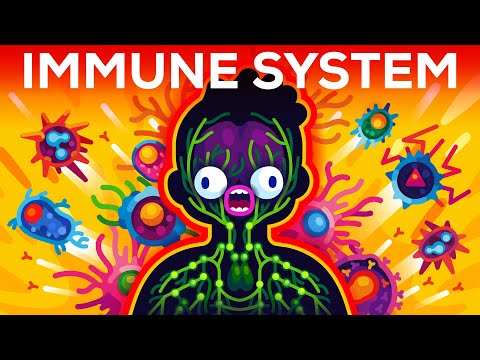
How The Immune System ACTUALLY Works – IMMUNE12 insights · See all
  1. Neutrophils deploy broadly toxic chemicals and destructive tactics (including NET release) that don’t discriminate well between microbes and host tissue, so their activity can cause collateral damage during infection.

    Neutrophils deploy broadly toxic chemicals and destructive tactics (including NET release) that don’t discriminate well between microbes and host tissue, so their activity can cause collateral damage during infection.
  2. Long-term immunity emerges because a small fraction of activated T and B cells survive as memory cells that remain in tissues or keep making low-level antibodies, so re-exposure triggers a faster, stronger response.

    Long-term immunity emerges because a small fraction of activated T and B cells survive as memory cells that remain in tissues or keep making low-level antibodies, so re-exposure triggers a faster, stronger response.
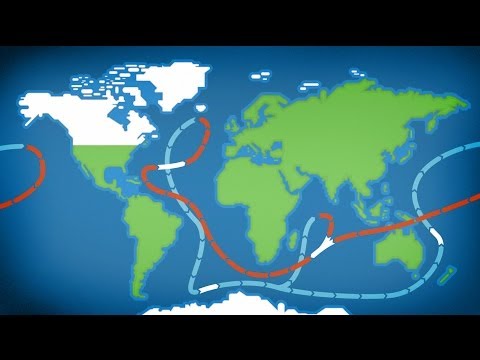
The Gulf Stream Explained10 insights · See all
  1. The Gulf Stream acts like a massive heat pump for Europe because it transports vast volumes of warm seawater and releases that heat into the atmosphere, substantially raising regional temperatures compared with similar latitudes.

    The Gulf Stream acts like a massive heat pump for Europe because it transports vast volumes of warm seawater and releases that heat into the atmosphere, substantially raising regional temperatures compared with similar latitudes.
  2. Ocean currents shape large-scale weather and climate because they carry warm water and the heat it contains from the equator toward the poles, redistributing solar energy and altering atmospheric temperature patterns.

    Ocean currents shape large-scale weather and climate because they carry warm water and the heat it contains from the equator toward the poles, redistributing solar energy and altering atmospheric temperature patterns.
The Internet is Worse Than Ever – Now What?10 insights · See all
  1. Actively examining why you accept or reject information can reduce social media's polarizing effects because changing personal habits is tractable and reveals when you favor a source due to team allegiance rather than the merits of the claim.

    Actively examining why you accept or reject information can reduce social media's polarizing effects because changing personal habits is tractable and reveals when you favor a source due to team allegiance rather than the merits of the claim.
  2. The pre-social-media internet avoided some modern harms because it lacked attention-maximizing algorithms and was highly fragmented, so people naturally stopped using it and self-selected into communities with distinct cultures that limited continuous exposure to polarizing content.

    The pre-social-media internet avoided some modern harms because it lacked attention-maximizing algorithms and was highly fragmented, so people naturally stopped using it and self-selected into communities with distinct cultures that limited continuous exposure to polarizing content.
Post on X

Keep the best of Kurzgesagt – In a Nutshell

A free account saves these cards to your Collection, and Korva resurfaces them so you actually remember.