Korva is a scroll of the internet’s best ideas.
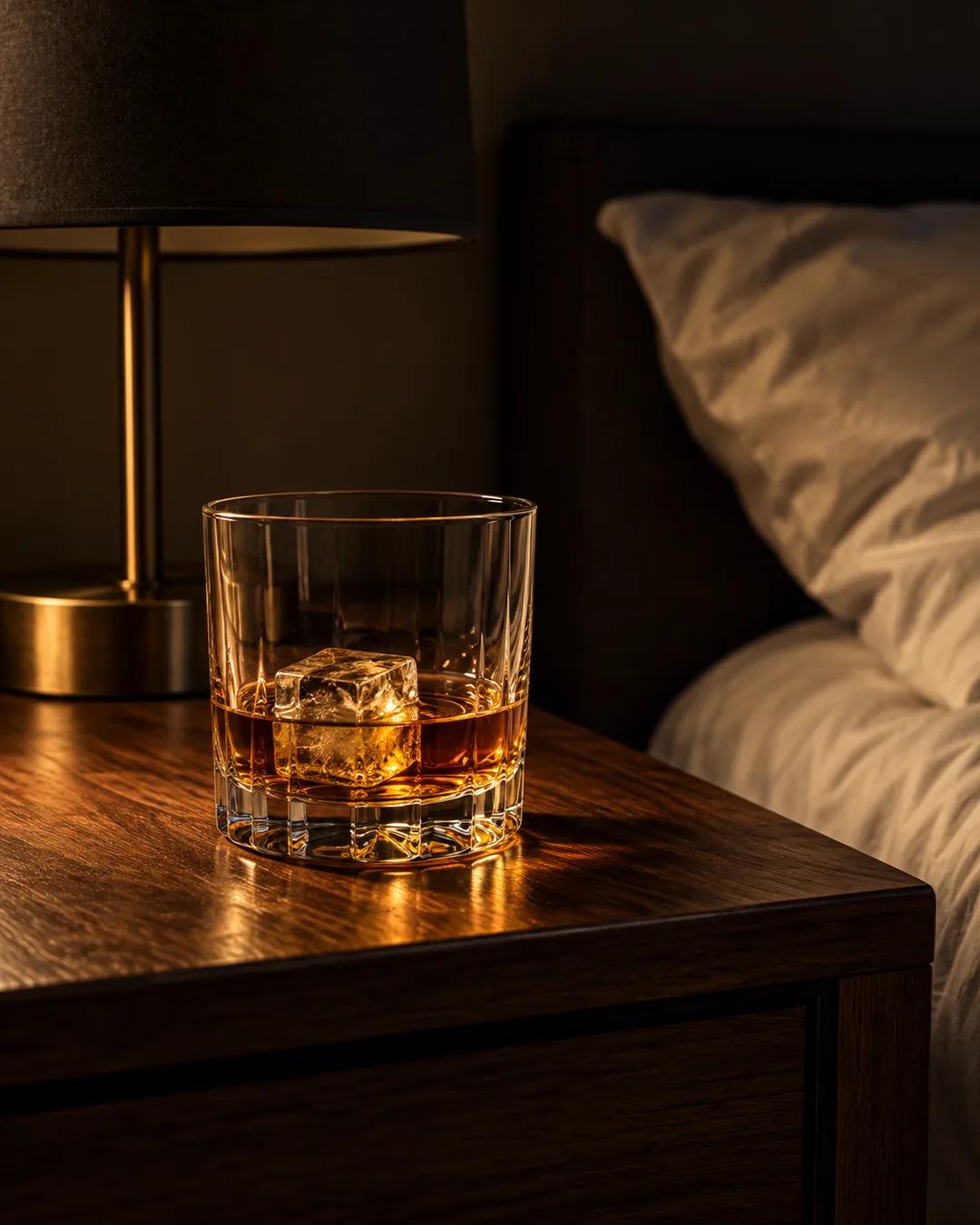
A nightcap sedates, it doesn't give sleep

Alcohol causes two more problems. First, it fragments sleep with awakenings throughout the night. They are so brief that a person does not remember them, so the next morning brings a feeling of being unrefreshed with no obvious reason. Second, alcohol is very effective at blocking REM sleep, the dream sleep.
Marijuana, which people use to get to sleep or to relax, also seems to fragment sleep and to block rapid eye movement sleep.
Sleeping pills are mostly sedative hypnotics, and sedation is not sleep: all they do is knock the cortex out. They are blunt instruments that do not produce naturalistic sleep, and they have been associated with a higher risk of death and cancer.
Why does alcohol block REM sleep?
As the liver breaks alcohol down, the drug suppresses REM sleep during the first half of the night. Later, once the alcohol is cleared, the brain often rebounds with lighter, more broken sleep. REM sleep was first identified in 1953 by Eugene Aserinsky and Nathaniel Kleitman at the University of Chicago. REM is the stage in which most vivid dreaming happens.
How do sedative sleeping pills act on the brain?
Many common sleeping pills, including benzodiazepines and the so-called Z-drugs, bind to GABA-A receptors. GABA is the brain's main inhibitory chemical messenger. Strengthening its effect quiets neural activity broadly, which produces drowsiness. The result differs from the patterned shifts in brain activity that mark natural sleep.
Why can people sleep through awakenings yet feel tired?
Brief arousals of a few seconds do not reach conscious memory, so a person wakes without any sense of having woken. Electroencephalogram recordings in sleep labs register them as sudden shifts to faster brain waves. A night with many arousals contains fewer unbroken stretches of deep sleep. Sleep specialists count these arousals when scoring a sleep study.
More from Talks at Google