Korva is a scroll of the internet’s best ideas.
A notebook of answers found backstage

Off the air
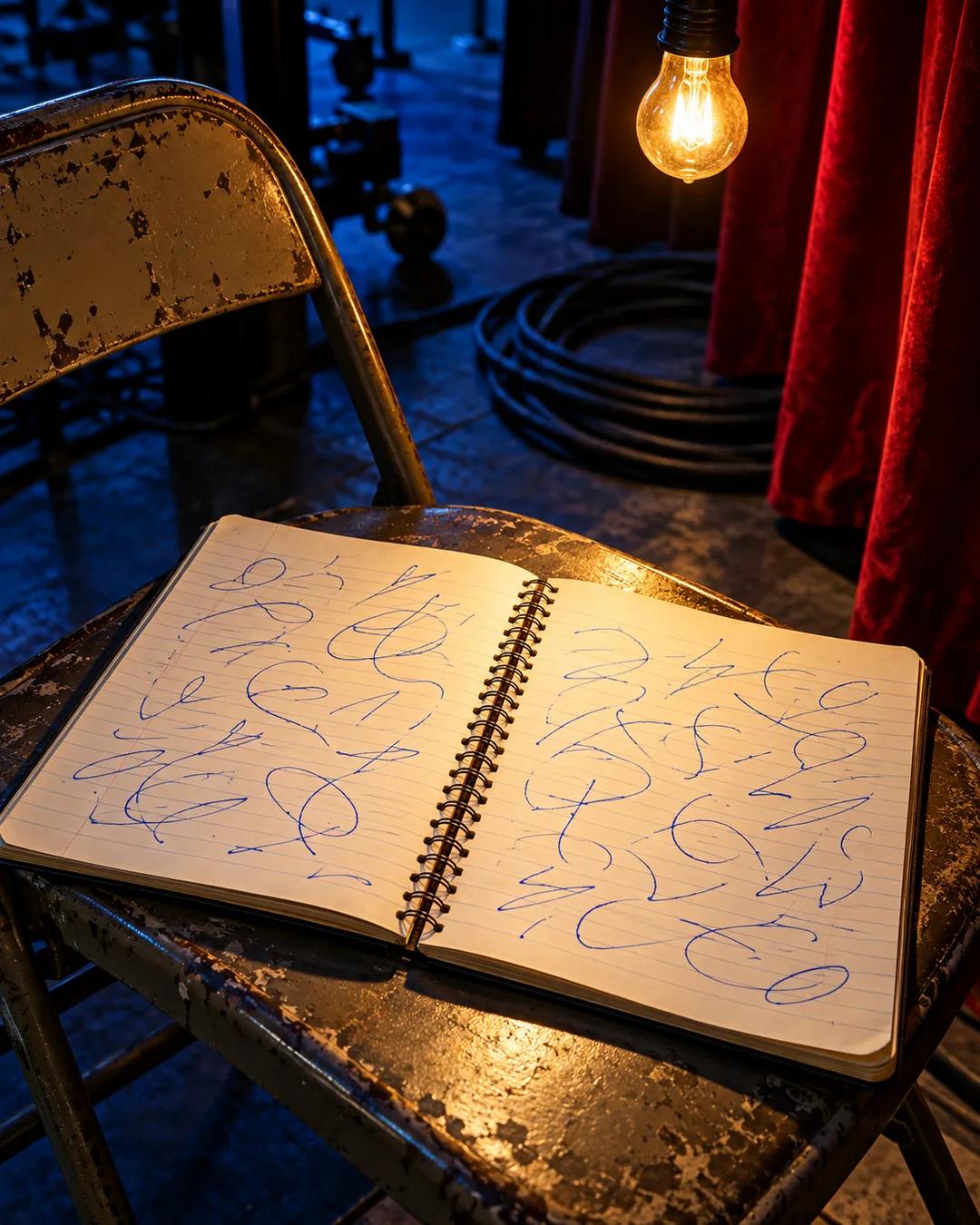
The contestant who found the notebook leaked it to the papers. In August of 1958, Dotto was suddenly yanked off the air, and for days nobody knew why, until the press got the story.
The fallout
Rigging a game show wasn't technically illegal, because no laws said you couldn't. Many viewers felt deceived anyway, and federal lawmakers began to investigate. By the autumn of 1958, The $64,000 Question, Twenty-One, Dotto, and the other rigged quiz shows were all off the air.
Quiz becomes game show
Viewers had been sold the story that the most knowledgeable, hardest-working person would win, and it was a lie. The word quiz turned dirty, which is how the term game show came about. In the 1960s, new game shows leaned on motor skills, everyday knowledge, and luck, which anybody could have even with nothing else.
Why wasn't rigging a quiz show illegal?
In 1958, no federal law addressed deceiving a television audience about whether a contest was honest. Fraud statutes covered cheating people out of money or property, which a viewer at home had not lost. Prosecutors in New York did pursue a grand jury inquiry into the shows. In 1960, Congress amended the Communications Act to prohibit rigging contests of knowledge, skill, or chance.
How did the game Dotto work?
Dotto ran on CBS in 1958 and paired a quiz with a connect-the-dots drawing. Correct answers let contestants connect numbered dots one at a time. The drawing hid a famous face or object that contestants tried to name.
Why did 1960s game shows rely on luck?
After the scandals, producers wanted shows where no one could be accused of feeding anyone answers. Chance outcomes left nothing to rig. Let's Make a Deal, which premiered on NBC in 1963, had contestants choose between a known prize and a hidden one behind a curtain or door. Host Monty Hall co-created the show with Stefan Hatos.
More from 99% Invisible