Korva is a scroll of the internet’s best ideas.

A pacifier changed his mind
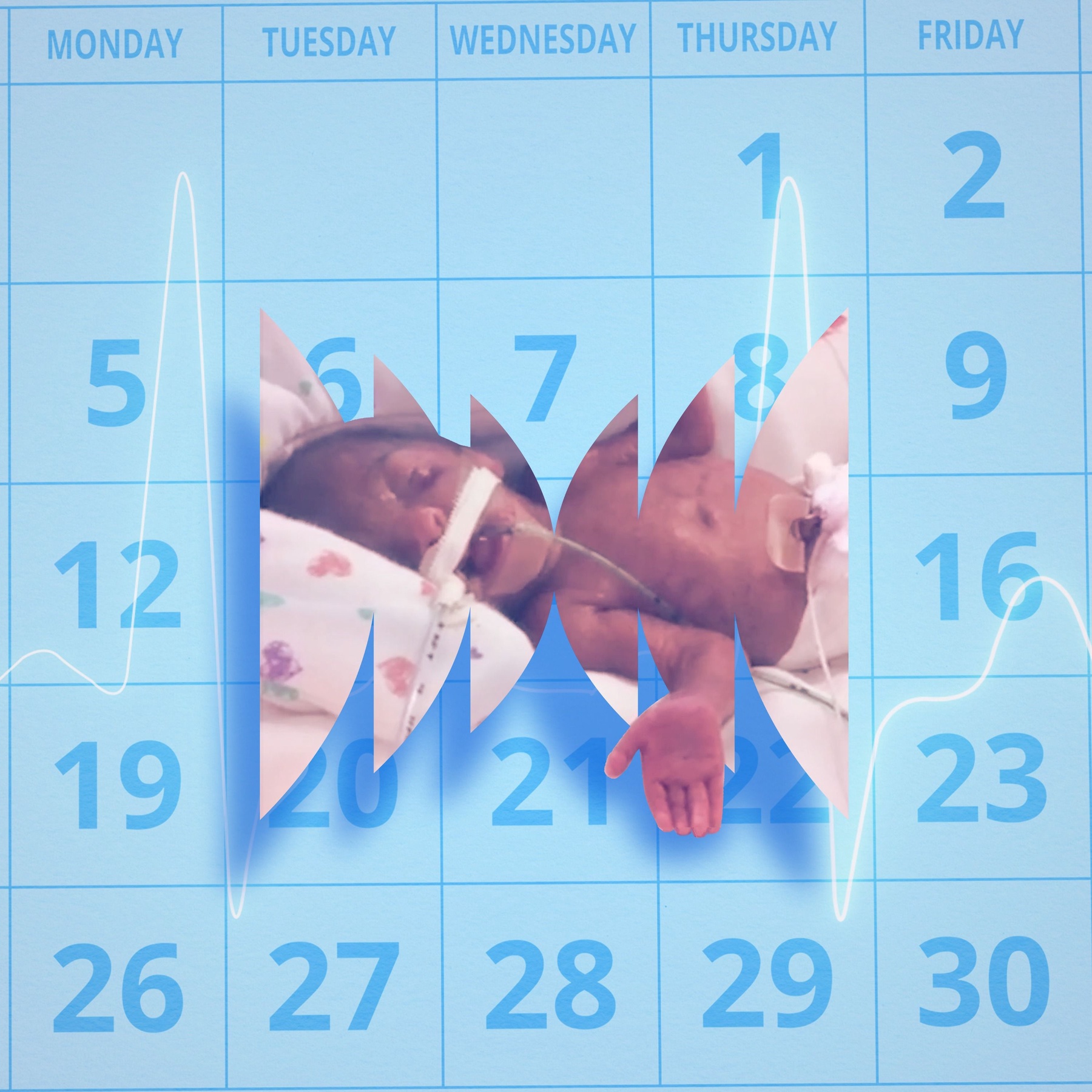
A doctor turned parent
Keith Barrington is a neonatologist who researches the ethics of extremely premature births with his wife, Annie Janvier. Their own baby girl was born at 24 weeks and 5 days and weighed 720 grams, about a pound and a half. She was a patient in the NICU he directed. He had spent years watching babies in that unit make it and not make it, and now he was a parent there.
Several weeks after she was born, a very big complication hit. She did not move at all for about 36 hours, and they decided to let her go peacefully.
The sucking reflex
He went back into the NICU to see her anyway, and she had started sucking on a soother the nurse had put in her mouth. He knew exactly what that was: the sucking reflex, the most basic one a baby has, run entirely by the brainstem. A baby needs far more than a suck to do well. It still changed his mind completely. He told his wife they could not stop and had to give her the chance.
The neonatologist in him could have gone either way, if he had been entirely evidence-based and rational. The father in him could not let her go. Their daughter, Violette, was finishing first grade years later, and he calls her perfect.
How early does the sucking reflex appear?
Ultrasound studies show fetuses sucking their thumbs well before birth, so the reflex is in place early. A baby's ability to coordinate sucking, swallowing, and breathing in one rhythm matures much later, usually around 34 weeks. Babies born far earlier are fed through a tube until that coordination arrives. A suck at 24 weeks shows a working brainstem, but feeding by mouth comes weeks after.
Why do NICUs use pacifiers?
Sucking without feeding, called non-nutritive sucking, calms premature babies and steadies their breathing and heart rate. It also helps them practice the movements they will need to feed by mouth. A Cochrane review of non-nutritive sucking by Foster and colleagues in 2016 found it was associated with shorter hospital stays for preterm infants.
How do doctors predict outcomes for preemies?
Doctors rely on large studies that follow extremely premature babies for years. The NICHD Neonatal Research Network, a group of U.S. academic hospitals, built an outcomes estimator that weighs gestational age, birth weight, sex, whether the mother received steroids, and whether it was a single birth. Even with those inputs, the estimates describe groups of babies and cannot say what will happen to one.
More from Radiolab