Korva is a scroll of the internet’s best ideas.
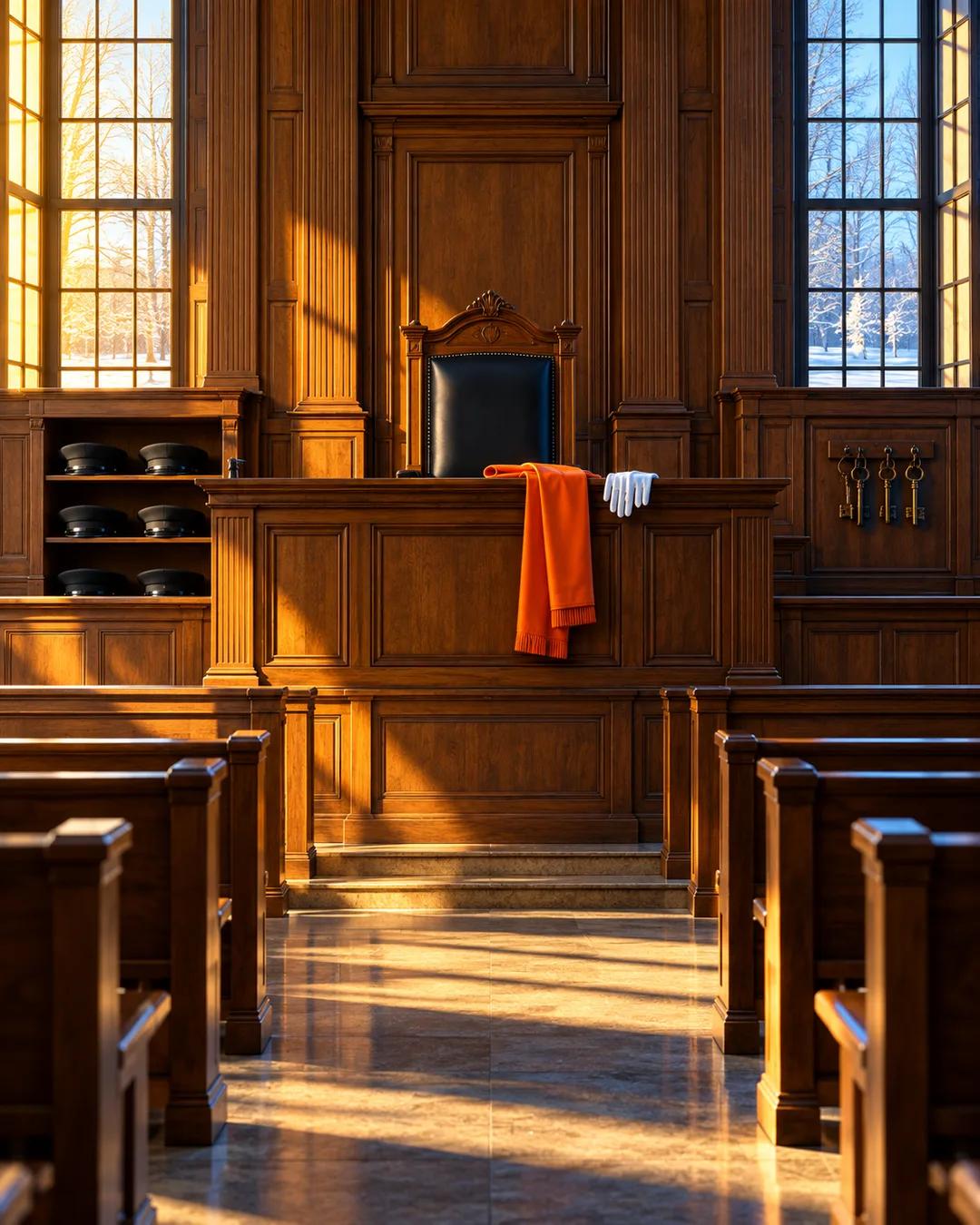
A Protestant parliament, a Protestant state

A Protestant state
Sir James Craig made the boast in a speech in the 1930s, contrasting it with the South's boasting of being a Catholic state. The judges, the magistrates, and the civil servants were almost entirely Protestant. The Royal Ulster Constabulary was nine to one Protestant, and its armed paramilitary reserve, the B Specials, was exclusively Protestant. When trouble started in the streets the B Specials came out of their Orange Order lodges with their guns to restore order.
Policing powers
The RUC was far more powerful than police in Britain or Western Europe. Special legislation in 1922 let it search and arrest without a warrant, intern a suspect without trial, and impose a curfew or a ban on a march or a newspaper at will.
Orange Order and jobs
Almost every B Special and almost every Unionist MP belonged to the Orange Order, a fraternal brotherhood founded in 1795 to defend Protestantism and the union with Britain and named after William of Orange. Protestant firms often would not employ Catholics, and a man named Liam O'Hara would not even get an interview at the big Harland and Wolff shipyards. Catholics were twice as likely to be unemployed as Protestants.
In 1967 the Times investigated the status of Catholics and called them Ulster's second-class citizens. In 1998 David Trimble, the Ulster Unionist leader, used his Nobel Prize speech to describe a solid house that unionists, fearful of being isolated on the island, had built as a cold house for Catholics.
How long did the Special Powers Act last?
The act was passed in 1922 as a temporary measure for one year. It was renewed annually until it was made permanent in 1933. It remained law until 1973, when Westminster abolished the Stormont government and replaced the act with the Emergency Provisions Act. Over those five decades it was used chiefly against republicans.
Why were the B Specials disbanded?
The B Specials were formed in 1920 as a part-time reserve force of the police. After the riots of August 1969, a government inquiry led by Lord Hunt recommended disarming the RUC and disbanding the B Specials. The force was replaced in April 1970 by the Ulster Defence Regiment, a part-time unit under the British Army.
Why did Trimble share the Nobel Peace Prize?
The 1998 Nobel Peace Prize went jointly to David Trimble and John Hume of the SDLP for their work toward a peaceful settlement. The Good Friday Agreement had been signed on 10 April 1998. Voters in Northern Ireland approved it in a referendum in May that year with about 71 percent in favor, and voters in the Republic with about 94 percent.
More from The Rest Is History