Korva is a scroll of the internet’s best ideas.
A puppet emailed a lonely child

Ruben Joins the Class
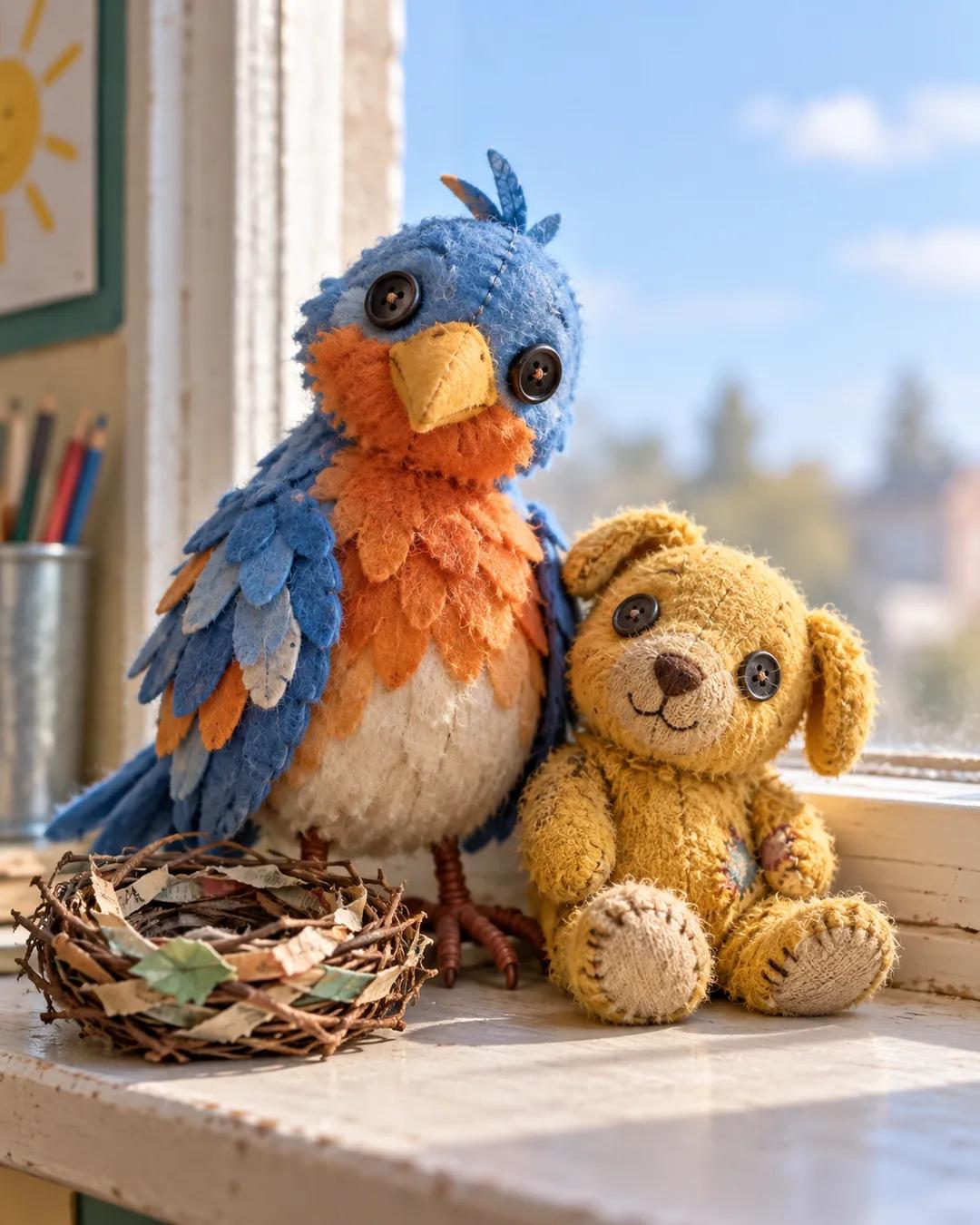
Teacher Tom had built a play world around a children's book about Ruben, a bird who accidentally flies through a child's bedroom window and needs that child's help getting home. The class read the story and imagined how Ruben might look, then COVID hit and the children kept talking about him through the months apart. Tom played Ruben, and the children wanted him in every activity. They sang him their favorite songs, fed him, built a nest for him in art class, and even taught him math.
Alma and Luca
Two children were close to disengaging. Alma found it hard to sit still, follow orders, or do school tasks. Luca was so disruptive that the teachers had arranged for him to leave school early, which left him feeling even more excluded.
Both formed a bond with Ruben. The puppet sent Alma a private email about feeling lonely in the classroom at night, and she wrote back asking whether Ruben needed a friend, offering her own soft toy, Sunny, from home. Ruben answered yes, please. He began sitting in Alma's lap during activities she found difficult, which left her calmer and more attentive. On a field trip, Tom put Luca in charge of Ruben, and Luca, who often could not join trips because of his behavior, got to go.
The Whiteboard Drawing
A seven-year-old drew Luca on the classroom whiteboard with Ruben beside him. In the drawing, Ruben looks like he is lifting Luca up, making him happier and lighter.
Why do children open up to toys and puppets?
Child analysts such as Melanie Klein and Anna Freud began using toys with young patients in the early 1920s. Young children often cannot put feelings into words, but they can act them out through a toy or doll. In the 1940s, Virginia Axline developed a child-led form of play therapy built on the same idea.
Today, toys and puppets are standard tools in play therapy.
Do many children treat pretend friends as real?
The psychologist Marjorie Taylor of the University of Oregon studied imaginary companions in children. In her 1999 book, she reported that about 65 percent of children had had one by age seven. Most of those children knew the companion was pretend, yet they still felt real affection for it and talked to it often.
Her work found that children with imaginary companions were no less socially capable than their peers.
More from TED Talks Daily