Korva is a scroll of the internet’s best ideas.
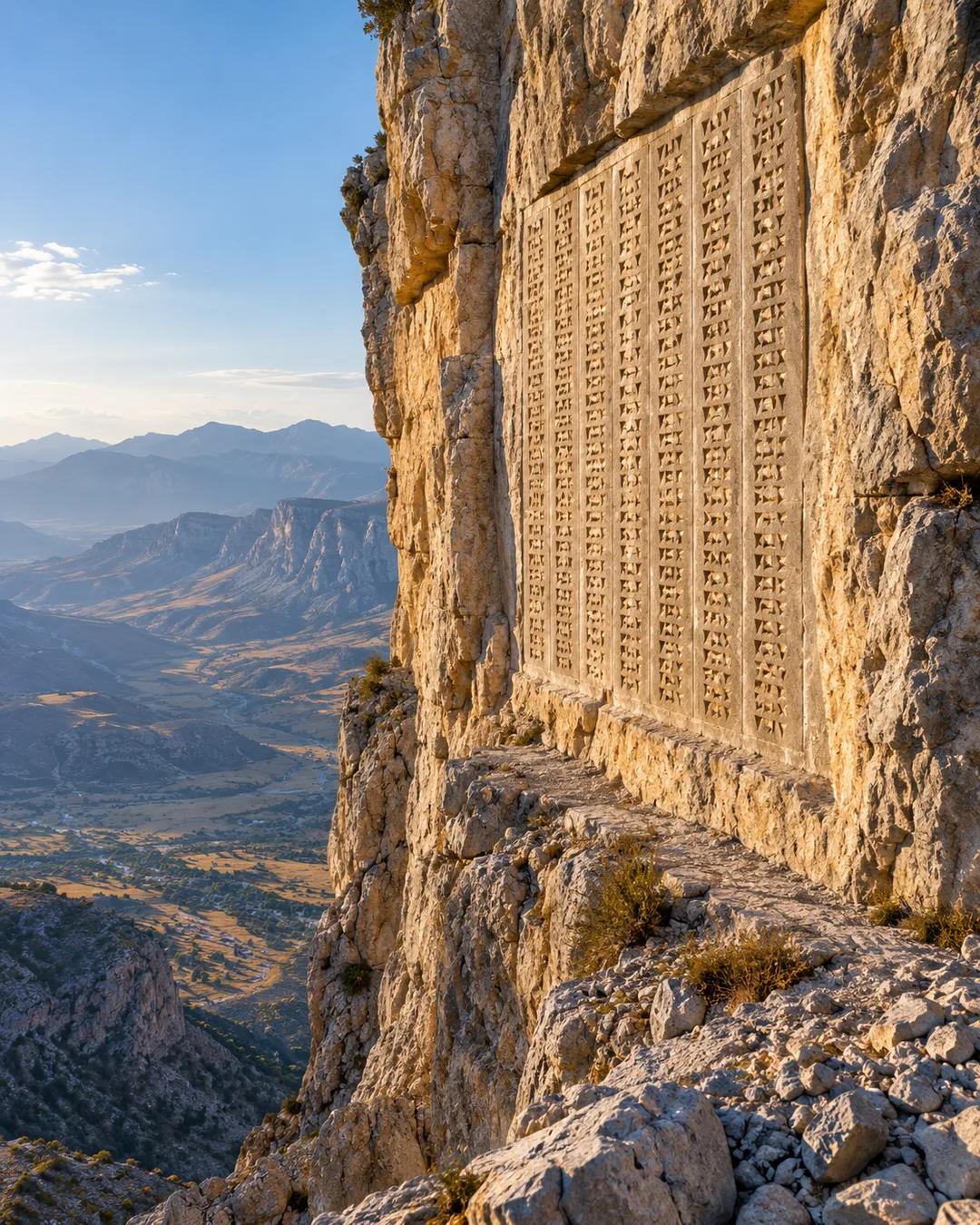
A rock face unlocked cuneiform

The Behistun key
A key part of the breakthrough was the Behistun Inscription, carved on a rock face in the Zagros Mountains in what is now Iran. Like the Rosetta Stone, it contains one text in three languages: an account of the Achaemenid king Darius I written in Babylonian, Old Persian, and Elamite. Henry Rawlinson published his work on the Old Persian section in 1849, and that enabled the translation of the other languages.
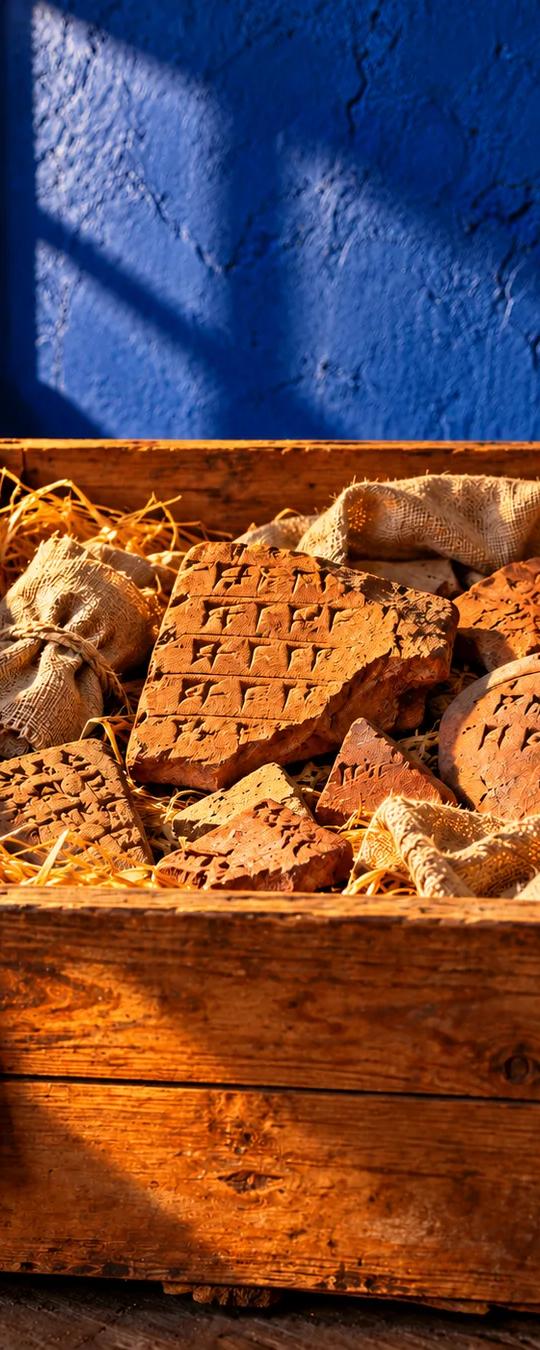
Ashurbanipal's tablets
Ashurbanipal's library supplied an array of additional samples of cuneiform script to work from. Once people could read it, the tablets became a source of a wealth of new historical information.
What was known before
Before that, almost everything known about ancient Mesopotamia and the Assyrian Empire came from the Hebrew Bible and the Christian Old Testament derived from it, and from Greek and Roman writers. The biblical texts focused on the Levant and Egypt, and the Greek and Roman accounts were often written centuries later. Neither was a complete, nuanced history of Assyria.
How did Rawlinson copy the Behistun Inscription?
The inscription is carved high on a cliff roughly a hundred meters above the road. Henry Rawlinson, a British army officer, climbed the rock in the 1830s to copy the signs by hand. A local boy later scaled the most difficult stretch of rock to take paper impressions of the Elamite and Babylonian text. Those copies gave scholars a complete text to compare.
Why did Old Persian crack the code first?
Old Persian cuneiform used only about thirty-six signs, far fewer than Babylonian script, which used hundreds. Its language was also related to Avestan and Sanskrit, which scholars already knew. In 1802 Georg Grotefend identified royal names and titles in Old Persian inscriptions, which gave later scholars a foothold. Rawlinson and others then used the Old Persian section to reach the other two.
How was the 1857 decipherment tested?
The Royal Asiatic Society in London sent a newly found cylinder of the Assyrian king Tiglath-Pileser I to four scholars: Henry Rawlinson, Edward Hincks, William Henry Fox Talbot, and Julius Oppert. Each worked alone and sealed his translation. When the envelopes were opened, the four versions agreed closely enough for the Society to declare cuneiform deciphered.
More from Stuff You Missed in History Class