Korva is a scroll of the internet’s best ideas.
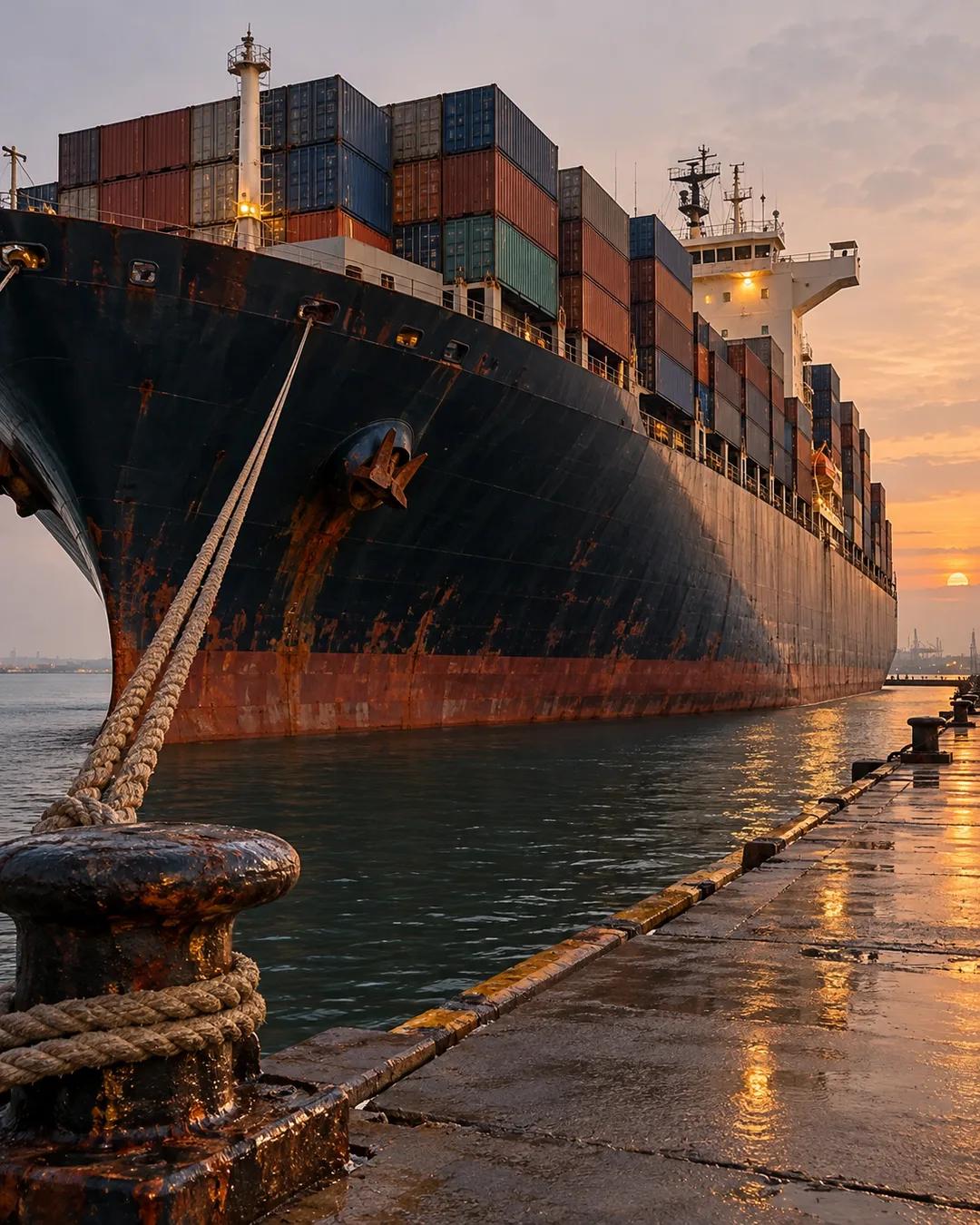

Why ships keep sailing
In a commodity market the price is set by the marginal supplier, and cost of service is all that matters. Depreciation is an accounting entry, because the money was already spent, so paper losses can be very large while the ship still runs at whatever the market will bear. A container is a pure commodity, and when the price falls far enough that carriers lose real money on a shipment, some exit. Supply shrinks, and the price climbs back.
The COVID spike
During COVID there weren't enough ships, and containers went from usually $3,000 or $4,000 to $17,000 or $18,000. Shipping companies made an insane amount of money in a very short time. It takes two years to build a ship, so if everyone orders at once, the ships all arrive together and the price plummets.
The data center parallel
Memory and other components work the same way, and so might data centers. Right now everyone can see there isn't enough compute, so everyone wants to invest, and the payback periods look great. Those payback periods are measured in a time of scarcity, and the question is whether they hold in a time of abundance.
Why do ship orders all arrive at once?
Owners order ships when freight rates are high, and shipyards deliver them about two years later. Because everyone responds to the same signal, the new ships land together. After the 2008 financial crisis, vessels ordered during the boom kept arriving, and rates stayed depressed for years.
How do falling rates shrink shipping supply?
When rates fall below the cost of running a ship, owners lay up vessels or send them to be scrapped. Ships are typically scrapped after around 25 years of service, so older vessels leave first. With fewer ships chasing the same cargo, rates recover.
How does the marginal supplier set the price?
In a competitive market, the price settles at the cost of the last supplier needed to meet demand. Every cheaper supplier earns more than its costs, and any supplier whose costs sit above the price drops out. This is the basis of the textbook rule that price equals marginal cost in a competitive market.
More from Invest Like the Best with Patrick O'Shaughnessy