Korva is a scroll of the internet’s best ideas.
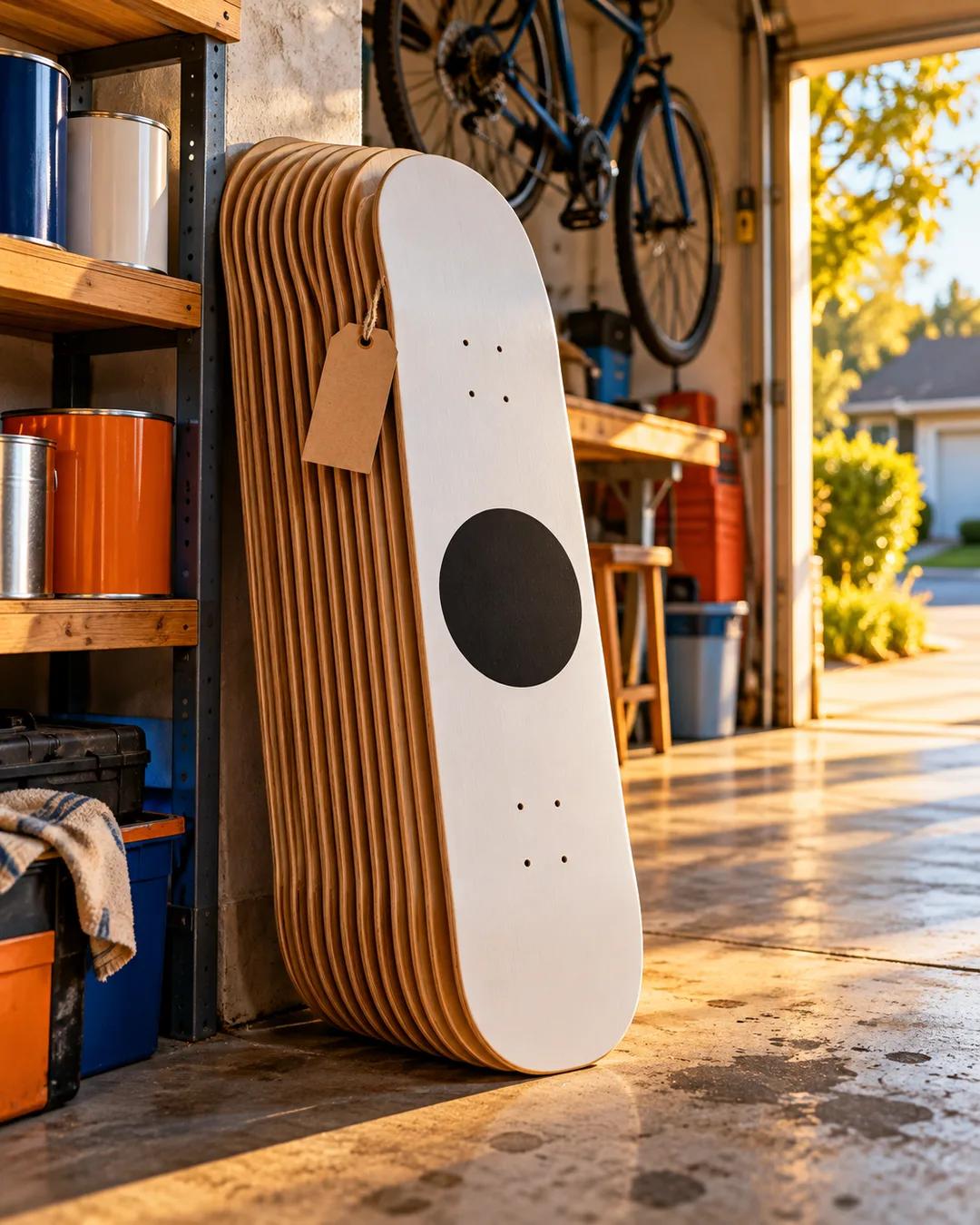
A skateboard company at twelve

The skateboard run
He raised about $500 for a first production run and started selling the boards. It took about a decade from there to build a real business that could support his life.
The podcasters
In college, he met podcasters with loyal audiences and tons of downloads, sitting in the top ten of their categories and running zero ads. Many were doing it for the love of the game, and some had another business. He asked them one question: if I bring you advertisers, can I take a cut?
Branded Native
That became Branded Native, which still runs today and does creator advertising on YouTube for brands. He raised no money for it, and it became profitable quickly. He invested the profits in startups, roughly 70 of them over about eight years.
How are skateboard decks made?
A typical deck is built from seven thin layers of maple veneer, called plies, glued together with the grain of alternating layers crossed. The stack is pressed in a mold that gives it the curved nose and tail. Graphics are then applied to the bottom, often by heat transfer or screen printing, before the edges are cut and sanded.
Why do media sellers take a commission?
Commission selling is an old model in advertising. In the United States, agencies traditionally earned about 15 percent of the media space they bought for clients, a standard that took hold in the early twentieth century. The seller or agent does the work of matching advertisers with publishers and is paid only when a deal closes.
How did creator advertising on YouTube take off?
YouTube started its Partner Program in 2007, sharing advertising revenue with a small group of invited creators. Brands soon discovered that sponsoring a creator's video could reach a loyal audience more directly than a banner ad. Sponsored integrations grew into a large part of the industry now known as influencer marketing.
More from The Prof G Pod with Scott Galloway