Korva is a scroll of the internet’s best ideas.
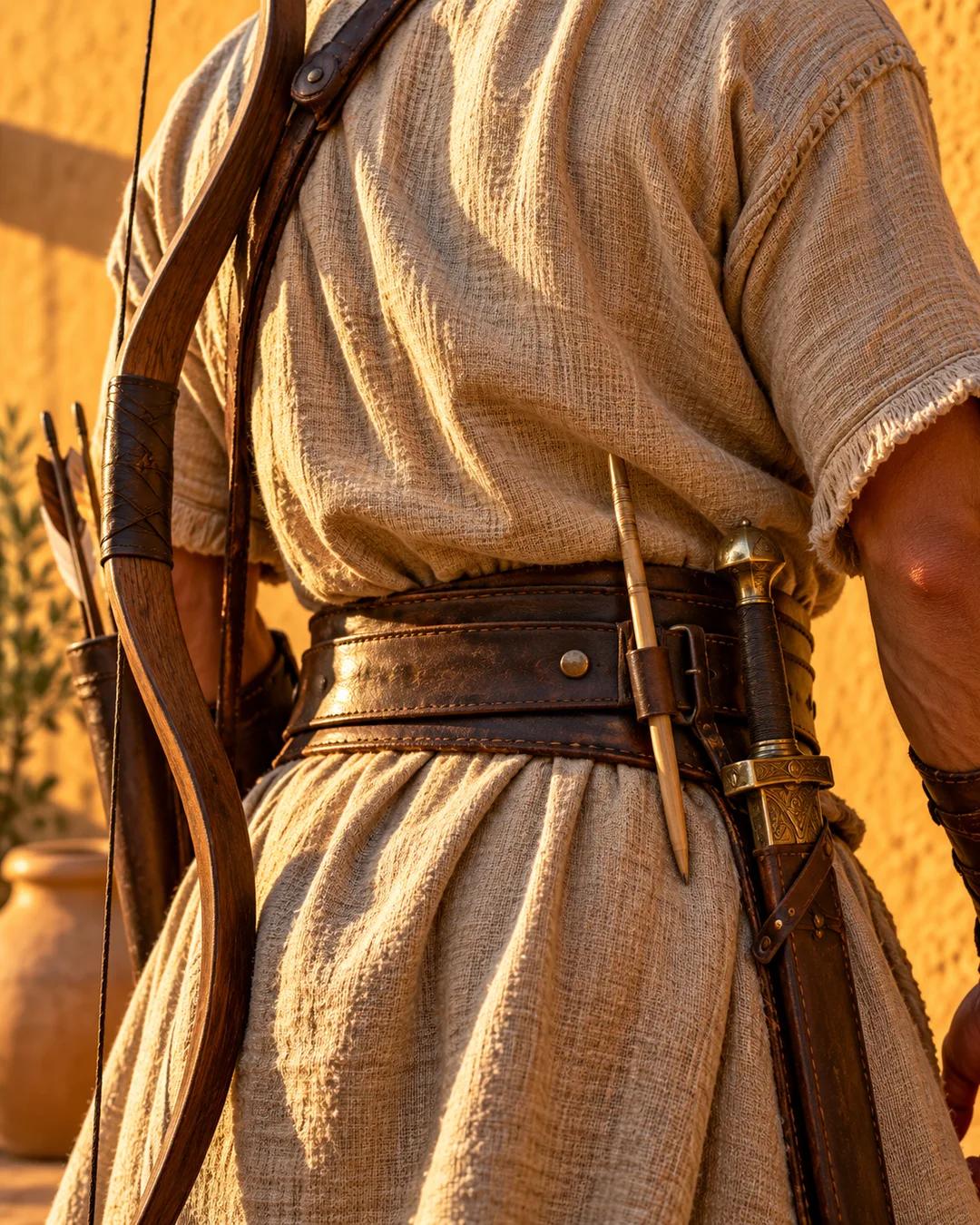
A stylus in his belt

A prince's schooling
His education had started before he was named crown prince of Assyria in 672 BCE. He learned the things expected of a royal: horsemanship, charioteering, archery, military tactics, and courtly decorum. He also studied literature and history and knew multiple Sumerian and Akkadian languages, including how to read and write them in cuneiform.
An unusual path
That scholarly training was not typical for kings of the time. It was probably possible because early in his life he was not totally focused on preparing to become king. His older brother Sin-iddin-apli had been the heir before dying sometime before 672 BCE, and another older brother, Shamash-shum-ukin, would ordinarily have been next in line.
Divination and art
Ashurbanipal also learned methods of divination, including reading the entrails of sacrificed animals and reading patterns in oil. His reign produced reliefs that are seen as the pinnacle of Assyrian art, many of them showing him fighting enemies, hunting lions, and living in the splendor of his kingdom.
Why did kings usually leave writing to scribes?
Cuneiform used hundreds of signs, many of them with several readings, and mastering it took years of training. Scribal schools had students copy sign lists and literary texts again and again. Writing was a professional craft, and a king had a staff of scribes and scholars to do it for him. Ashurbanipal's boast of reading difficult old texts stands out because most rulers never needed to.
How did reading entrails predict anything?
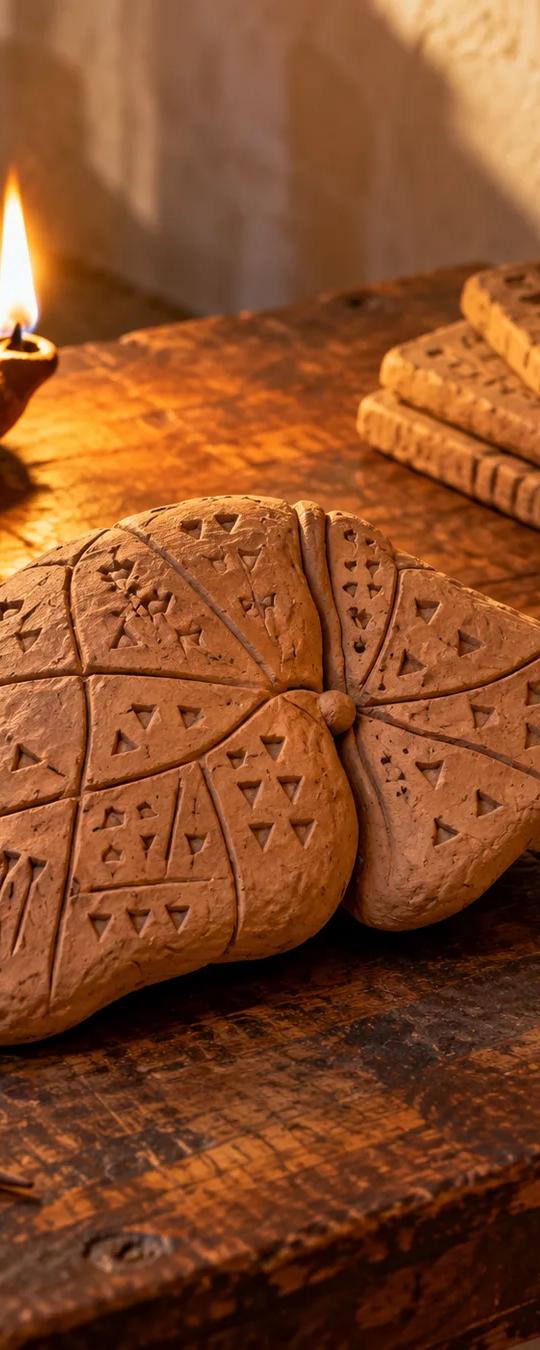
The practice is called extispicy, and Mesopotamians believed the gods wrote answers on the organs of a sacrificed sheep. A trained priest examined the liver for marks, shapes, and abnormalities, then looked up what each one meant in a collection of omen texts. Teaching models of livers made from clay have been found at sites such as Mari, labeled with the meanings of different features.
Why did Assyrian kings hunt lions?
The lion hunt was a royal ritual in which the king showed himself as protector of the land against wild and chaotic forces. Reliefs from Ashurbanipal's North Palace at Nineveh, made around 645 BCE, show lions being released from cages for him to shoot and spear from a chariot. These panels are now in the British Museum and are counted among the finest works of Assyrian art.
More from Stuff You Missed in History Class