Korva is a scroll of the internet’s best ideas.
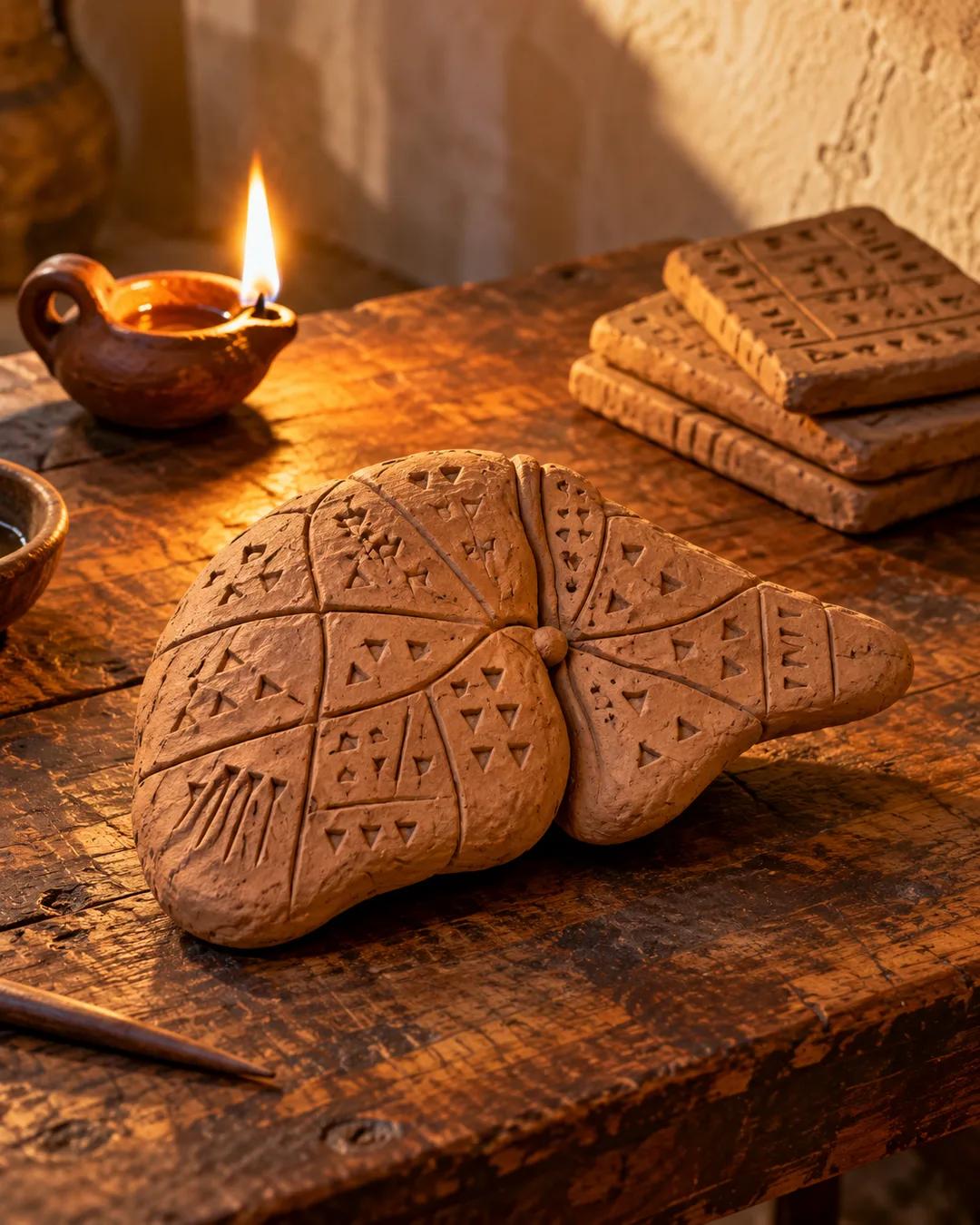
Half his library was omens

Omens as a worldview
Omens and divination were a key part of the Assyrian worldview. Oracles and prophecies were a huge part of how the culture related to and understood the world, and a divination or omen may even have been involved in who was named heir. Ashurbanipal himself was religiously devout, even zealous.
Why he collected them
He believed that knowing how to read signs would benefit and strengthen the empire, so he collected books on astrology and omen texts, along with texts related to magic. Based on what has been translated so far, roughly half of the library's works relate to divination.
The rest of the library
His name translates as the god Ashur has made a son. The library also held medicine, mathematics, history, epics and myths, dictionaries, legal texts, and documents relating to the functioning of the Assyrian Empire. Only a fraction of it has been reconstructed and translated.
Why did Assyrians trust omens to guide the empire?
Assyrians believed the gods communicated their intentions through signs in the sky, in animals, and in everyday events. Scholars compiled huge omen collections to decode them. The celestial series Enuma Anu Enlil ran to roughly seventy tablets. A king who could read the signs could act when they were favorable and prepare when they were not.
How did scholars advise the king on omens?
Royal scholars wrote letters to the king reporting what they saw in the sky and recommending what to do. When an eclipse threatened the king, a ritual of the substitute king could be performed. A stand-in was crowned for a short period to absorb the danger, and then he was put to death. Letters to Esarhaddon, Ashurbanipal's father, document this ritual.
How did omen reading lead to astronomy?
Watching the sky closely meant recording it carefully. Babylonian scribes kept nightly records of the positions of planets and the moon, now called the Astronomical Diaries. The earliest surviving entries date to about 652 BCE, and the practice continued into the first century BCE. Later Greek astronomers such as Hipparchus drew on these records.
More from Stuff You Missed in History Class