Korva is a scroll of the internet’s best ideas.

How morale spreads
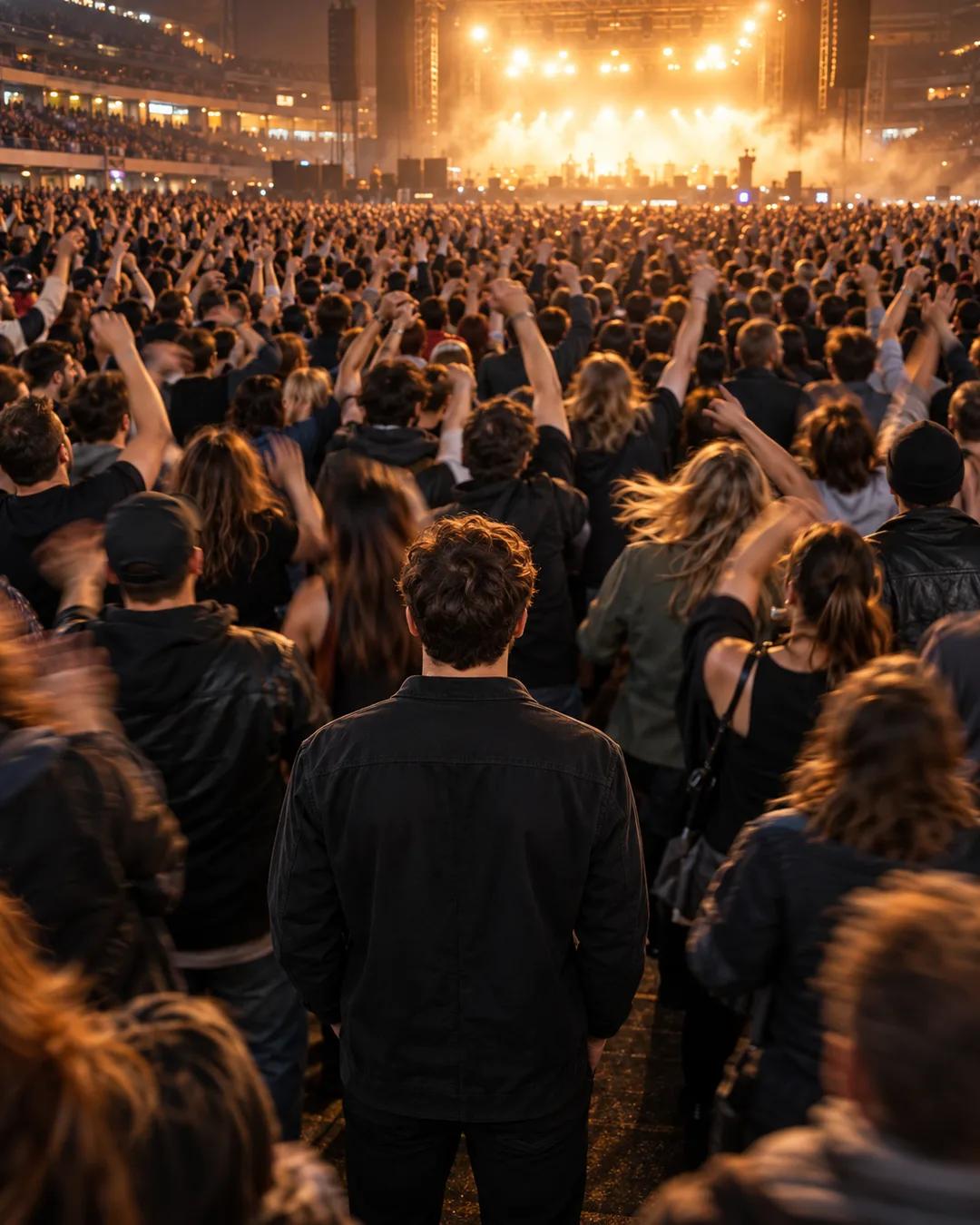
Morale spreads between people the way a crowd's mood does. One person breaks a window and soon the whole crowd is breaking windows. A leader who gets swept up in the crowd's emotions can no longer correct them.
After a perfect mission
After a mission that goes perfectly, with a gunfight won and everyone safe, the team feels so good it wants to skip the debrief, skip maintaining its gear, and go to bed. That is a mob turning slightly arrogant. The leader steps in with a reminder that the mission was good and that there are still things to improve on.
After a loss
After a mission with casualties, the same crowd drifts the other way. Men mope around and the spirit starts to break. A leader caught up in that mood breaks with them, so instead the leader says it was tough, that it did not go the way the team wanted, and asks what the team can do better so it never happens again. A winning mob wants to keep winning and may get arrogant, while a losing mob may lose more because its attitude goes down the drain.
When a team lost friends, the order was to celebrate the life, mourn the loss, and then go back to work: gear on, weapons loaded, back out.
How does one person's mood reach a whole group?
Psychologists Elaine Hatfield, John Cacioppo, and Richard Rapson described the process as emotional contagion in their book of that name. They argued that people automatically mimic the facial expressions, voices, and postures of those around them, and that the mimicry feeds back into their own feelings. In a 2002 experiment by Sigal Barsade, a trained actor joined business school groups and displayed either pleasant or unpleasant moods, and the other members' moods shifted to match without anyone remarking on it.
Why do crowds do things individuals would not?
French writer Gustave Le Bon argued in his 1895 book The Crowd that people in a mass feel anonymous and lose their sense of individual responsibility. He named contagion as one of the forces at work, the spread of feelings and actions from one member to the next. His ideas drew wide attention in his own time and later. Sigmund Freud discussed Le Bon at length in his 1921 book Group Psychology and the Analysis of the Ego.
How did the Army come to require debriefs?
The US Army developed the after action review in the 1970s, and the National Training Center at Fort Irwin, California, which opened in 1981, made it a routine part of every exercise. A review asks four plain questions: what was supposed to happen, what actually happened, why there was a difference, and what to do next time. A facilitator leads it, and it covers successes as well as failures. Other fields, including firefighting and medicine, have since adopted versions of the format.
More from Andrew Huberman