Korva is a scroll of the internet’s best ideas.
A time capsule to sell subscriptions
Building the safe
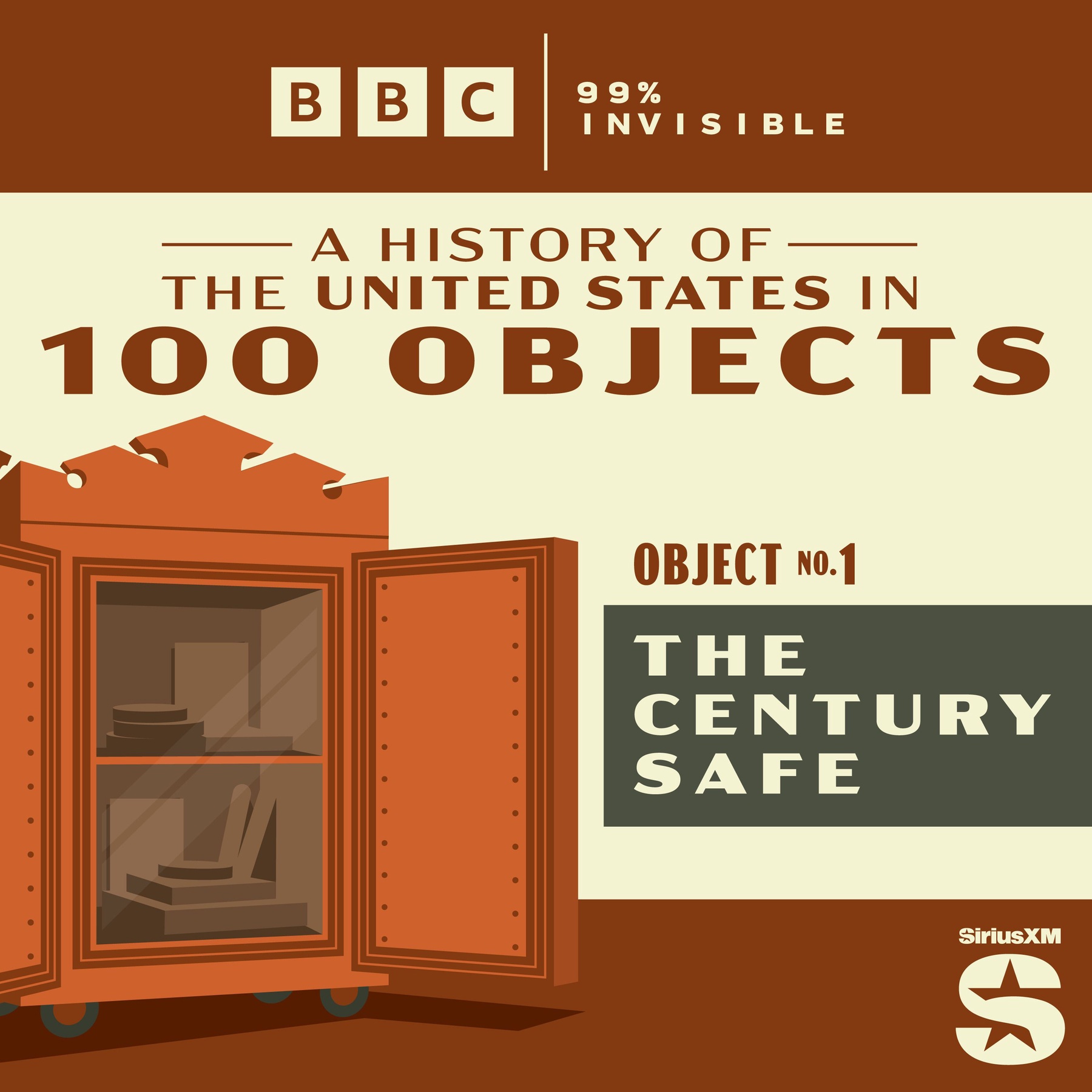
She commissioned an elaborate iron safe, engraved all over, with a promise on it that the President of the United States would open it on July 4, 1976. At the 1876 World's Fair she got floor space to show it off.
Selling signatures
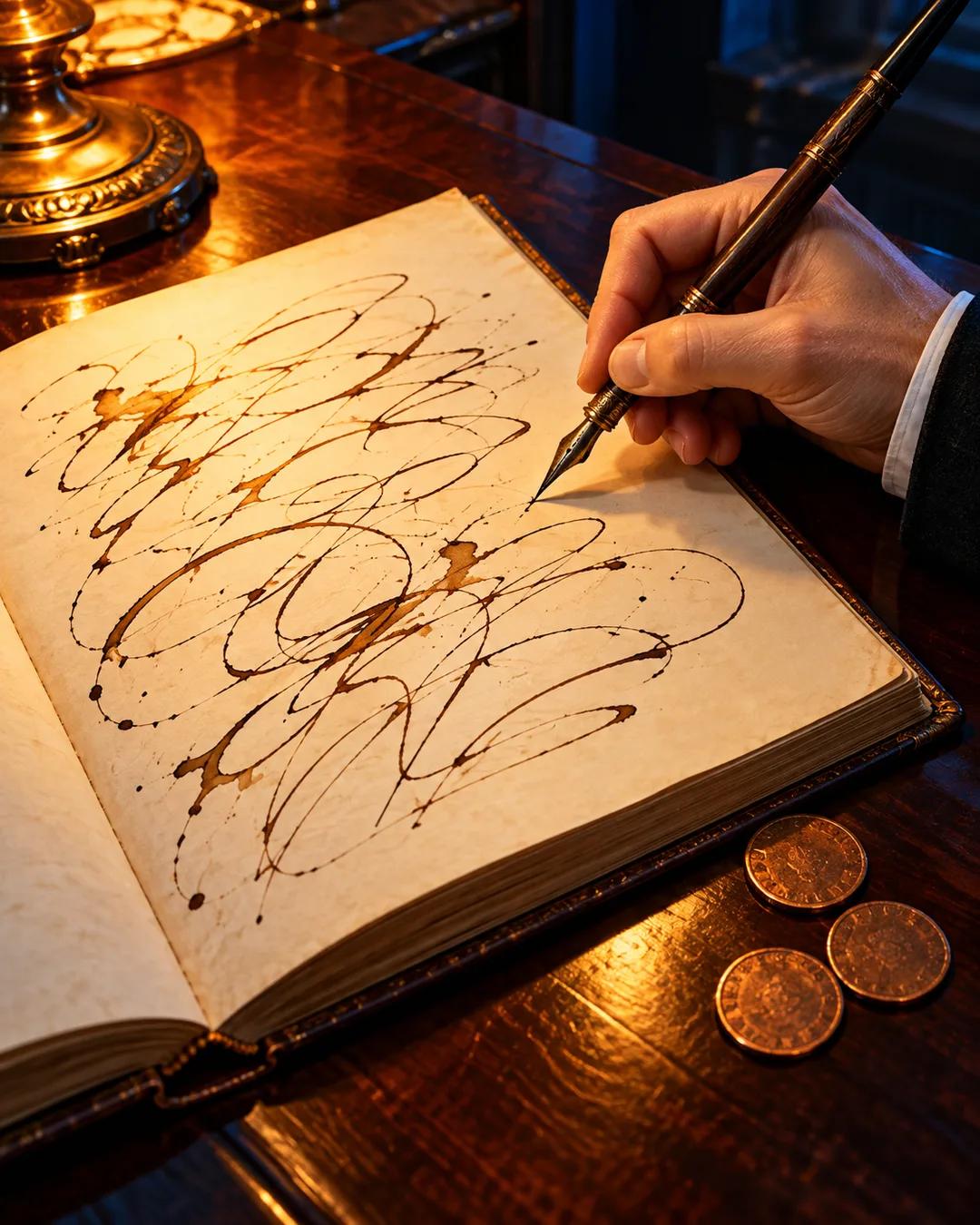
Visitors could look at the safe, and they could pay money to have themselves put into it by signing an autograph book that would be sealed inside. Her pitch was simple: it had been a hundred years since the Declaration of Independence, so why not think about where the country would be a hundred years from now?
Into storage
The signatures earned her money. After the fair she sealed the safe full of objects and entrusted it to Congress, and it went into storage, where it was meant to be forgotten for a century.
How did publishers use stunts to sell papers?
Nineteenth-century newspapers and magazines competed fiercely for subscribers, and spectacle was a cheap way to win attention. In 1889 Joseph Pulitzer's New York World sent reporter Nellie Bly around the world to beat the fictional record in Around the World in Eighty Days. She finished in 72 days in January 1890, and the paper ran a reader guessing contest on her arrival time.
Why was the 1876 fair held in Philadelphia?
Philadelphia was where the Declaration of Independence was adopted in 1776, which made it the natural host for the centennial. Congress authorized the Centennial Exhibition in 1871, and it opened in Fairmount Park on May 10, 1876. It ran until November and drew roughly 10 million visits in a country of about 46 million people.
Why wasn't the Century Safe called a time capsule?
The phrase time capsule did not exist yet. Westinghouse coined it in 1938 for a torpedo-shaped container it buried at the 1939 New York World's Fair, set to be opened in the year 6939. A second capsule was buried beside it in 1965.
More from 99% Invisible