Korva is a scroll of the internet’s best ideas.
Preserving was the whole point
Preservation as the point
To the people who filled it, photography was new, and so was the possibility of keeping something intact. Sealing everything in a glass box would have seemed significant on its own.
The Civil War
The Civil War had made preservation feel urgent in another way. Embalming was new then, and families could pay to have a son, brother, or father who died far from home embalmed so the body could travel by railroad and still be viewed before burial. Photography offered something similar: you could still see someone who had died.
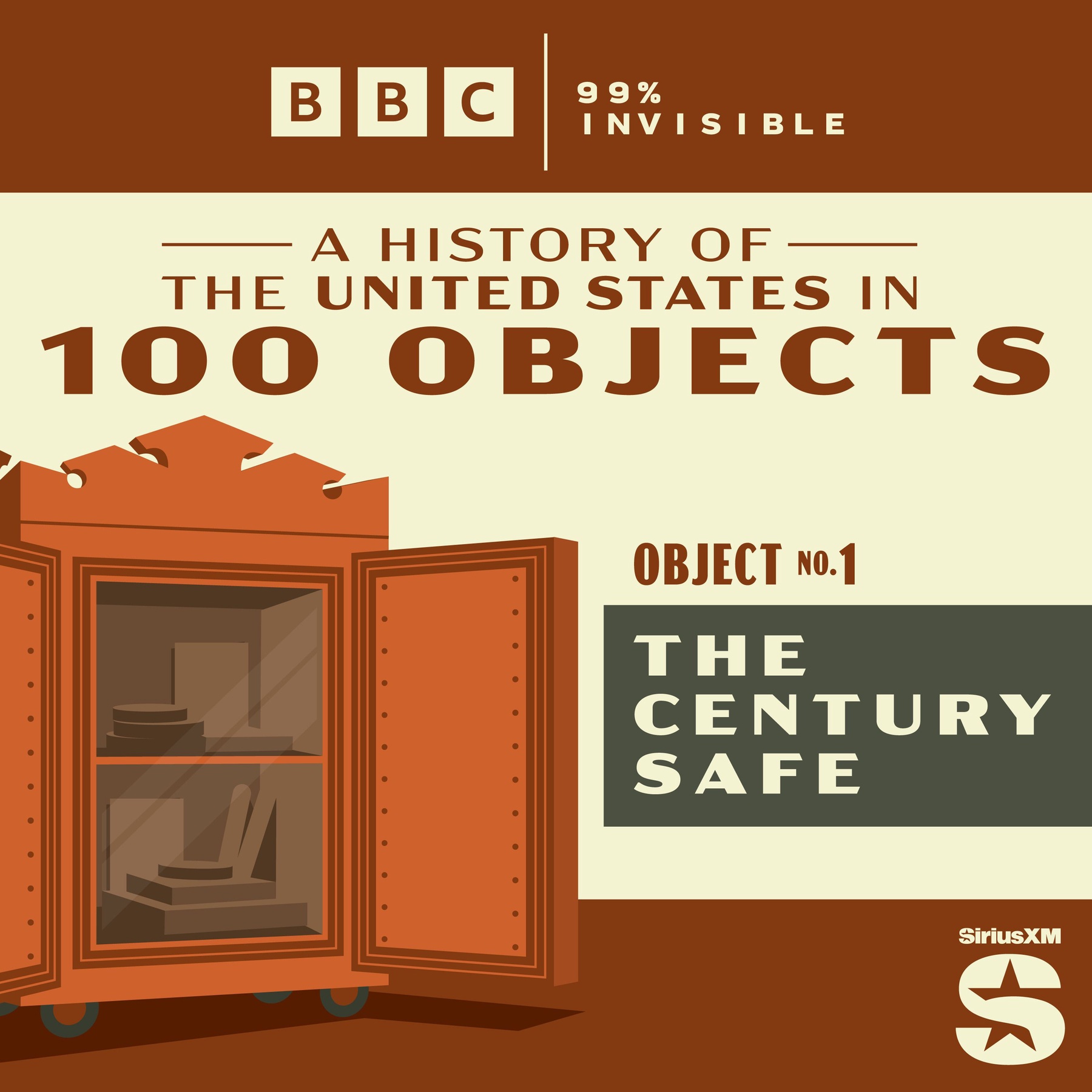
The safe embalms a moment in time. What to put inside it was an afterthought, almost as if it were a monument to the possibility of preserving anything at all.
What was worth sealing
What would have been worth sealing is something one of a kind, nothing published, nothing that isn't handwritten or hand drawn, a thing that exists nowhere else and would be a revelation when found. The diary of a Chinese railroad worker who was learning English would fit, because it would never have survived otherwise.
How did the Civil War change embalming?
Before the war, embalming was rare in the United States. Thousands of families wanted soldiers who died far from home returned for burial, and embalmers followed the armies offering to preserve bodies for the journey. Dr. Thomas Holmes is often called the father of American embalming and is credited with embalming thousands of soldiers. When Abraham Lincoln was assassinated in 1865, his embalmed body traveled by funeral train through several states before burial in Springfield, Illinois.
Why did families photograph their dead?
Early photographs were expensive, and many families had no likeness of a relative until after death. Studios offered memorial portraits, often showing the person as though asleep. The daguerreotype, introduced in 1839, was the first widely used photographic process, and by the 1860s cheaper paper prints had made portraits more common. The practice faded in the early 1900s as snapshot cameras let families photograph living relatives.
Why are Chinese railroad workers' own records so scarce?
Thousands of Chinese laborers built the Central Pacific Railroad's route over the Sierra Nevada in the 1860s. Stanford University's Chinese Railroad Workers in North America Project, begun in 2012, has searched archives on both sides of the Pacific and has found very few first-person accounts from the workers themselves. Historians rely largely on railroad company records, newspaper accounts, and archaeological finds at work camps.
More from 99% Invisible