Korva is a scroll of the internet’s best ideas.
A toilet flushing upstairs

The group was the Adams Round Table, a club of top mystery and thriller writers. Mary Higgins Clark was a founding member, and Lee Child, Nelson DeMille, Peter Straub, and Susan Isaacs sat at the table too. The youngest member, Harlan Coben, was about 80 years younger than the rest.
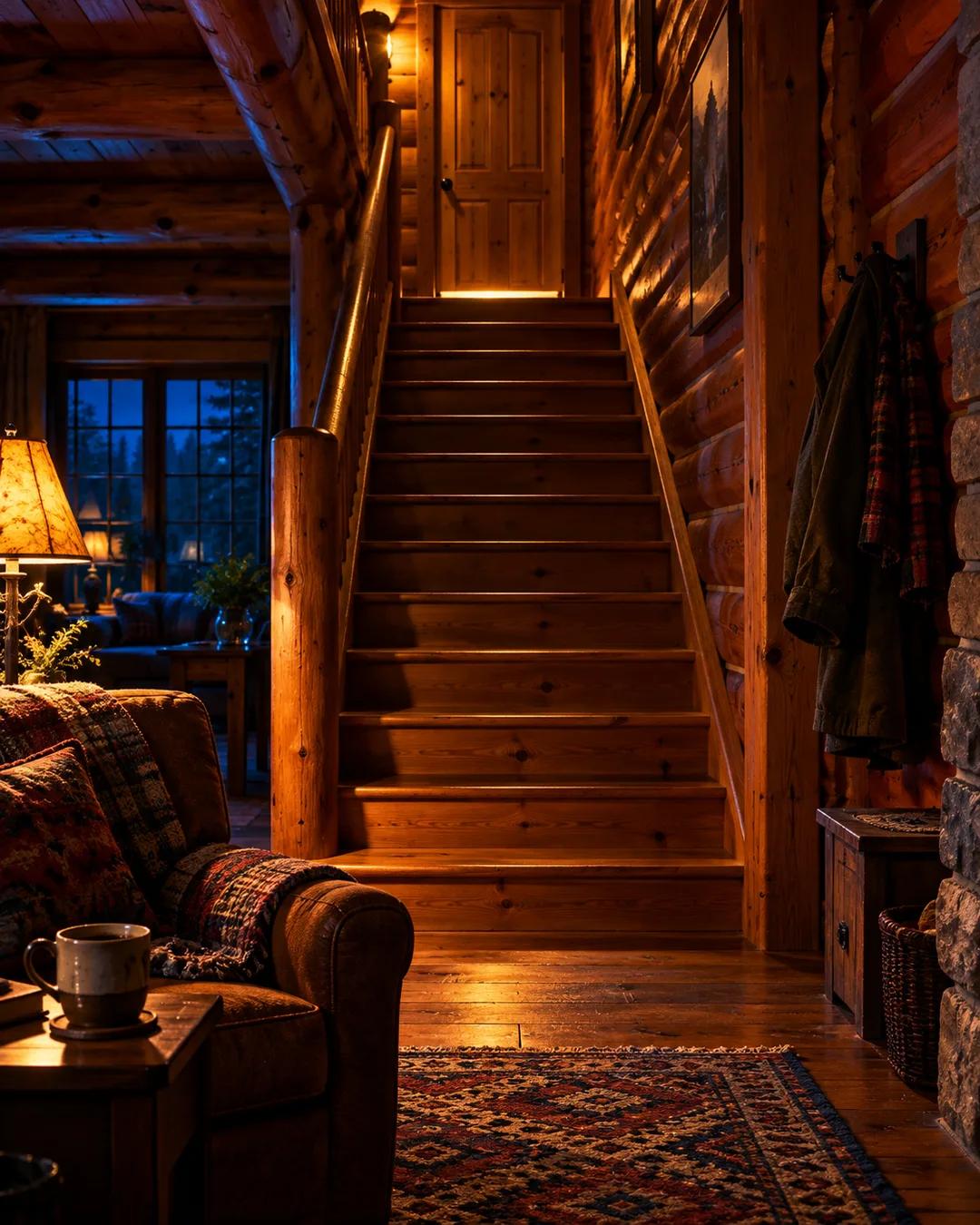
Someone raised the question of whether the scariest sound is a mother screaming, a baby crying, or a man being tortured. One member waved all of those away. Picture being alone in a cabin in the woods, completely sure there is nobody else in the house, and then hearing the toilet flush from upstairs.
That is exactly the kind of moment a thriller writer looks for. Coben would not vote it the scariest sound of all, because a flushing toilet is a little comical. Somebody really had to go, or it could have been a squirrel.
Why does a quiet sound upstairs frighten so much?
A sound with no visible source gives the brain nothing to evaluate, so attention stays on alert. The flush proves someone is in the house without showing who. Alfred Hitchcock built whole films on this gap between what an audience knows and what a character knows. In his book-length interviews with François Truffaut, published in 1966, he used a bomb under a table to explain it.
Why do people enjoy being frightened?
Psychologist Dolf Zillmann proposed excitation transfer theory in the 1970s and 1980s. It holds that the arousal from fear does not switch off the moment the danger ends. Instead it carries over and intensifies the relief or pleasure that follows. A scare that resolves safely, in a book or a film, therefore ends up feeling good.
More from Freakonomics Radio Network