Korva is a scroll of the internet’s best ideas.


The sheriff's call
Curative's very first government customer was the sheriff's department in San Dimas. Word had spread that a Covid lab was opening, and people in town were freaking out. A sheriff reached out to its founder, Fred Turner, on LinkedIn to ask what the company was doing. He explained that the samples were deactivated as soon as they went in, so no live virus was on site. Then the sheriff said they really needed testing, and the fire department wanted testing too.
A friend, Laura Deming, was trying to help with the pandemic. She drove him to LA with a car full of PCR machines so he could work on a laptop, and she helped with a lot of the early development work. Then she tweeted that there was Covid testing capacity, and the deputy mayor of LA slid into her DMs.
The city pilot
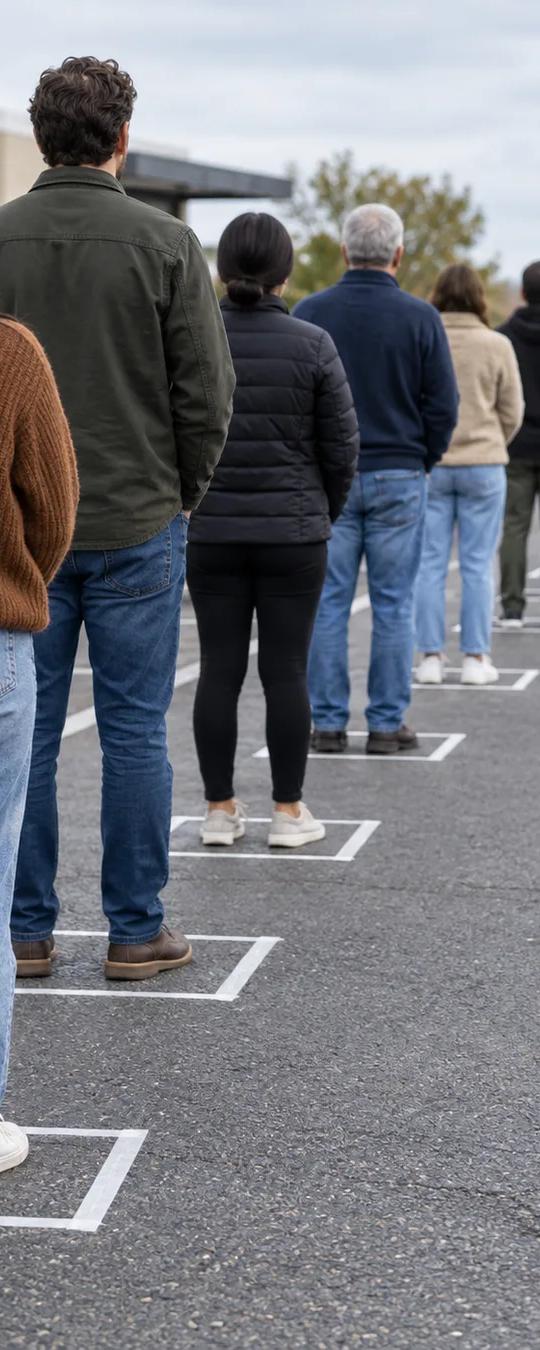
It was early March, lockdowns had just started, and unless someone was ultra high risk and in a hospital there was pretty much no chance of getting a test. The city set up a pilot, since Curative was a complete unknown.
Because of the city's restrictions, the best terms available were payment after delivery, net one on the invoice. Curative delivered a day of tests and sent someone to City Hall the next morning to pick up a check, where a standard government contract would pay at net 30 or net 60. It needed the money to pay for supplies and grow testing capacity.
Why are Covid samples deactivated on arrival?
Labs commonly place swabs into a buffer that breaks open the virus and destroys its ability to infect. These buffers usually contain chemicals such as guanidine salts, which also stabilize the RNA for testing. Once a sample is in that solution, staff can handle it without the same live-virus precautions. The approach protects workers and lets processing happen in ordinary lab spaces.
Why do government contracts pay slowly?
Government invoices pass through review, approval, and audit steps before a payment is released. The US federal Prompt Payment Act sets a default payment window of 30 days. Many state and local agencies set similar terms in their contracts. Terms like net 30 or net 60 reflect how long those steps take.
More from 20VC with Harry Stebbings