Korva is a scroll of the internet’s best ideas.
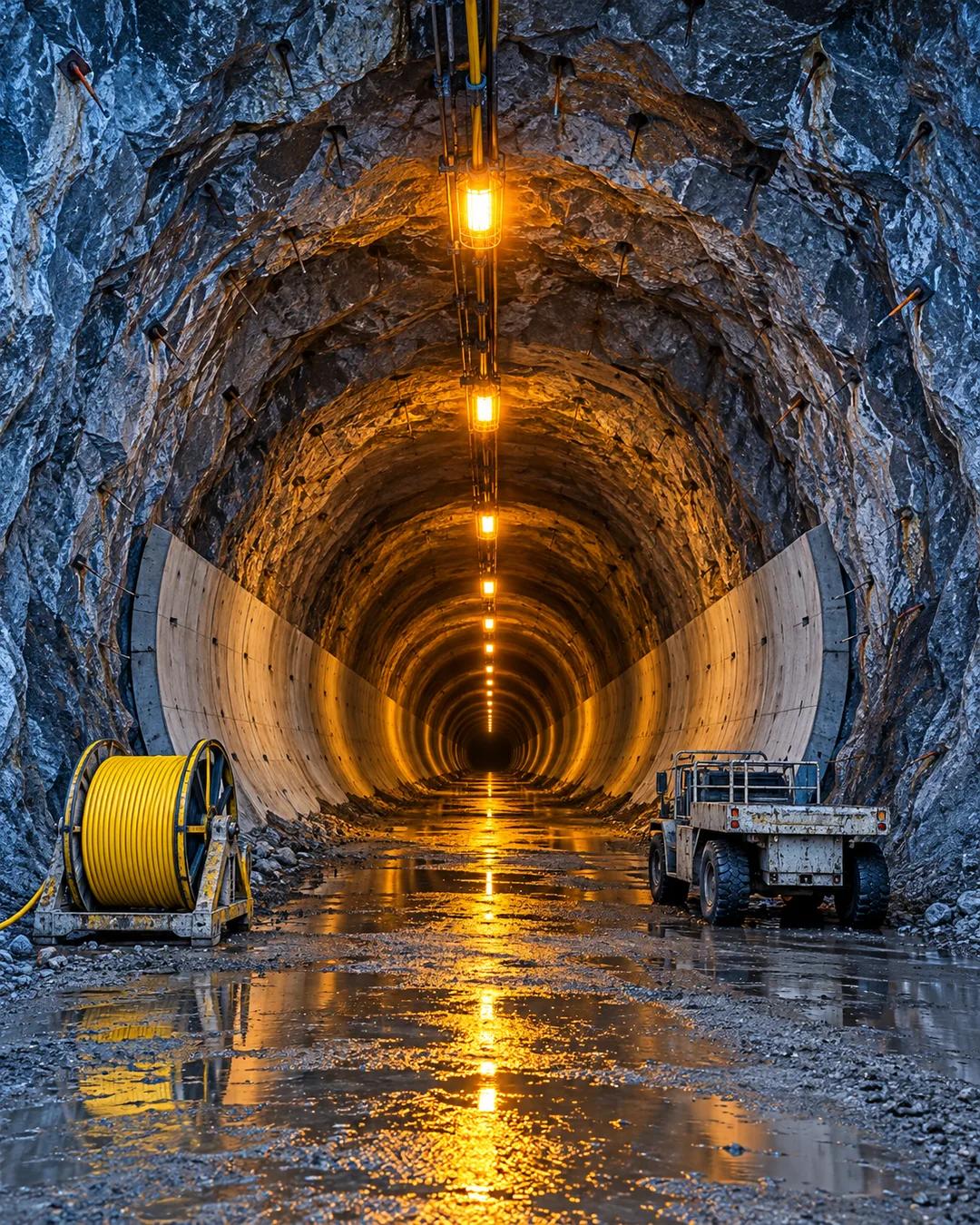
A water tunnel begun in 1970

It is one of the largest and most expensive capital construction projects in the city's history. It is also one of three primary tunnels that bring fresh water into the city from upstate, where the source water sits at a higher elevation and flows down by gravity.
The tunnel runs roughly 650 feet, or 200 meters, below the surface, nearly half the height of the Empire State Building. That depth keeps it out of the underground traffic jam of water mains, power ducts, steam lines, gas pipes, telecom conduits, sewers, and subway tunnels packed beneath the streets.
The depth also puts the tunnel in hard rock, which is better able to withstand the monstrous pressure inside.
Why does deep rock help a water tunnel?
Rock at that depth is dense and stable, so it carries the load of the pressurized water instead of the tunnel lining doing all the work. Tunnel engineers line such bores with concrete mainly to smooth the flow and seal minor cracks. The surrounding bedrock in Manhattan is largely schist, a hard metamorphic rock that holds a bored opening well. Shallow tunnels in soil would need far heavier support.
How is a tunnel this deep actually dug?
Deep city water tunnels are typically built by drilling and blasting through rock or by boring with a tunnel boring machine. Crews reach the tunnel level through vertical shafts sunk from the street, and those shafts also carry out the broken rock. The same shafts later become the points where water enters and leaves the tunnel. Each shaft can take years to finish before tunneling between them even begins.
Why does gravity matter for city water?
Water flowing downhill from a reservoir gains pressure from the height difference alone, at about 0.43 pounds per square inch for every foot of drop. A gravity-fed system needs no pumps along most of its route, which removes a major point of failure and a large energy cost. New York's upstate reservoirs sit hundreds of feet above the city, which supplies most of the pressure its pipes need. Taller buildings still use rooftop tanks or their own pumps to lift water the final stretch.
More from Practical Engineering