Korva is a scroll of the internet’s best ideas.
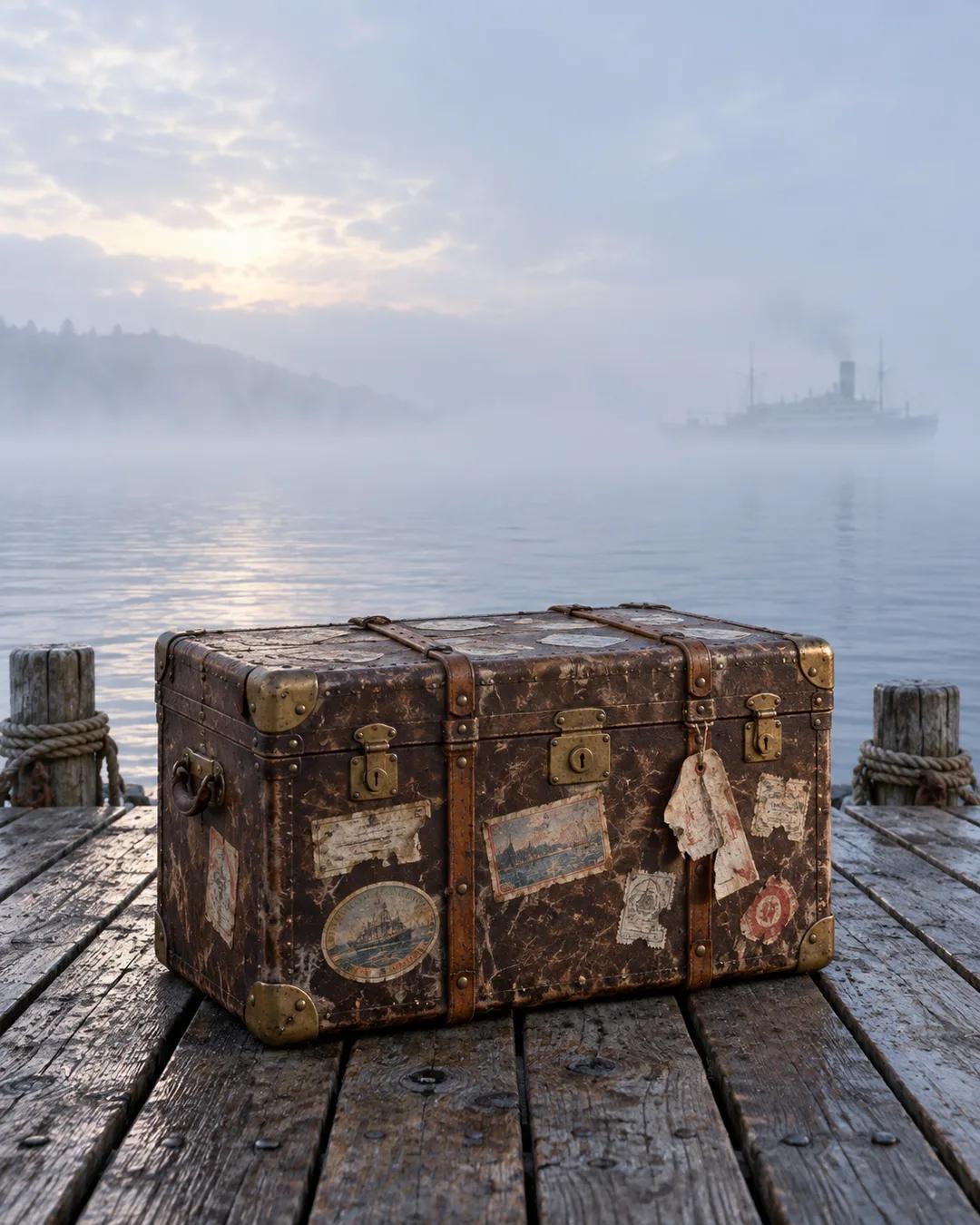
A WWI rescue became Amex Travel

A 111-year-old business
That business is now American Express Global Business Travel, and it is 111 years old. Its clients include close to half the Fortune 500 and a huge percentage of the Global 2000, plus the US government and military and governments around the world.
The Long Lake deal
Long Lake, a company formed three years ago to deploy AI into the real economy, announced the $6.3 billion purchase and is taking the company private. It plans to invest in growth and technology and bring AI into the travel experience for the millions of travelers the business supports each year.
Why customers stay
The business holds customer logo retention in the high nineties and dollar retention of a hundred percent or more, with relationships averaging fifteen years across its top couple hundred customers. Travel is a small cost for those companies and a mission-critical one. Picture thousands of employees in the Middle East when a war breaks out, or a whole team stranded in a Chicago snowstorm at two in the morning: somebody has to answer the phone and know what to do.
Why did travelers' checks suit stranded wartime Americans?
When the war began in 1914, many Americans in Europe found banks and merchants wary of ordinary paper money and credit. A travelers' check carried the issuer's promise, so it was easier to trust than cash from a stranger. Each check was signed once at purchase and again when spent, which let the recipient compare the two signatures. American Express introduced its travelers' check in 1891.
How does a corporate travel company earn money?
Corporate travel companies typically charge clients fees for each booking, along with management fees for running a company's travel program. Airlines, hotels, and car rental firms often pay them incentives or commissions as well. Their agents book from inventory supplied by global distribution systems, and Sabre, Amadeus, and Travelport are the three best known.
More from David Senra