Korva is a scroll of the internet’s best ideas.
AI is following the container playbook

Container shipping's path
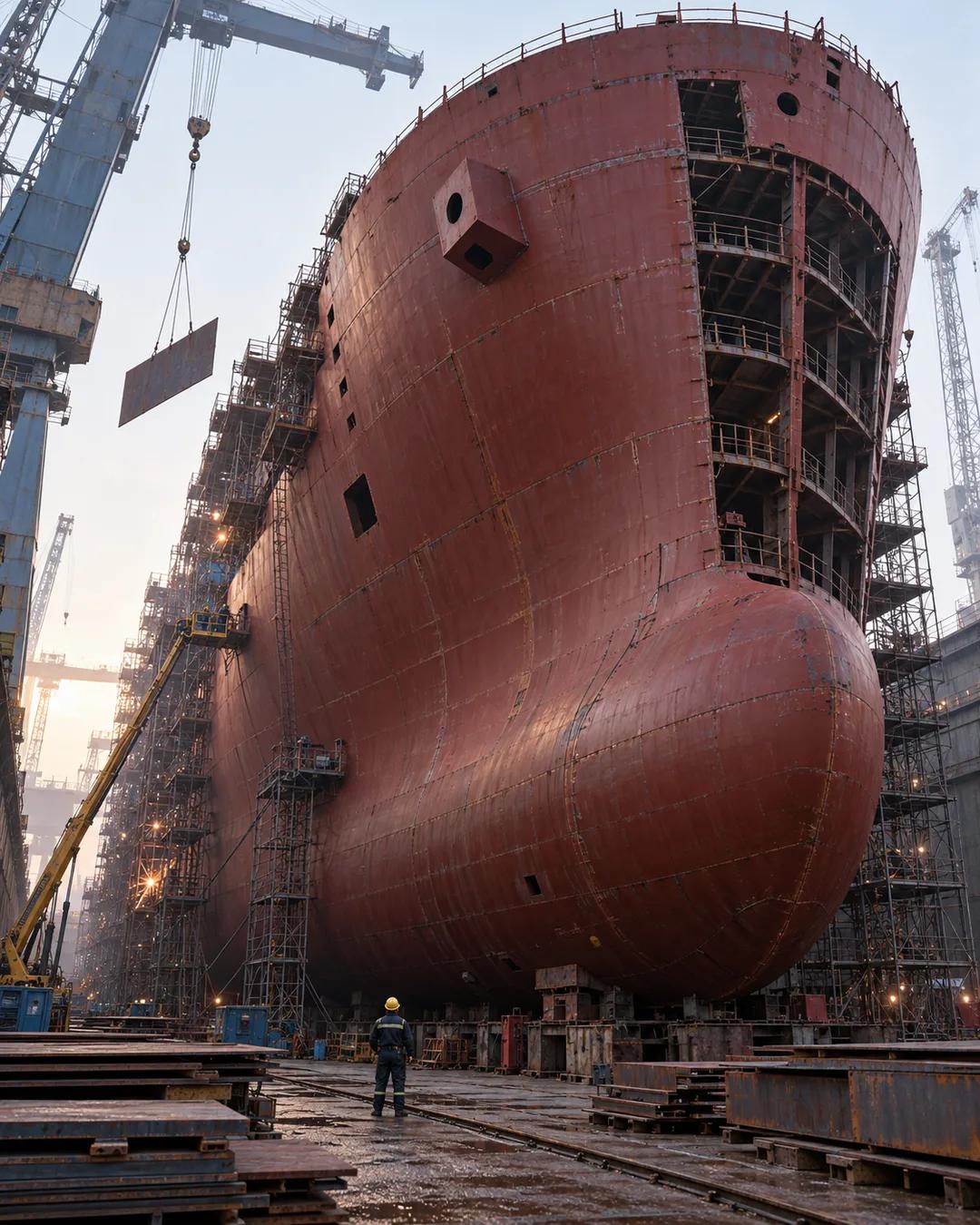
Container shipping's benefits were obvious, so many companies entered. Government and social attention arrived at once and pushed back. Shipbuilders got a quick boost that did not last: some $10 billion, $80 billion in 2025 dollars, was spent building container ships between 1967 and 1972, and demand collapsed after about 1973. Competition made it hard to keep prices high or costs low while forcing heavy spending on capital equipment, R&D, and talent.
AI on the same path
AI has covered the same ground. Entrepreneurs and tech companies entered quickly, debate in society, the media, and government limits experimentation, and chip makers, data center builders, and data providers are getting a quick boost. Prices are dropping while companies spend heavily on capital equipment, R&D, and talent.
Where it leads
The container industry then looked for ways to limit competition through cartels and regulators, and the value its innovation created was zero-sum between providers and customers. For AI, that points to investors pushing for consolidation around a few business models, model companies integrating vertically into their customers' businesses, and companies built on another company's model having their margins or business models absorbed.
A slight downturn that forced AI companies to conserve cash could turn into a serious, sudden, and long-lasting decline in infrastructure spending. Nvidia and its emerging competitors have made long-term commitments to suppliers and for capacity expansion, so they could not lower costs to match a smaller market.
Why do shipping lines form cartels?
Shipping lines have fixed prices together since the 1870s, when the first liner conference formed on the Calcutta trade route. A ship costs nearly the same to run whether it is half empty or full, so lines cut prices to fill space and rate wars follow. Liner conferences let members agree on rates, and governments tolerated them for decades through antitrust exemptions.
How do shipbuilding booms turn into busts?
A ship takes years to design and build, so an order placed when rates are high arrives long after conditions change. Many owners order at once during a boom, and the combined fleet exceeds demand when it is delivered. Surplus ships push freight rates down, and shipyards then go without orders.
Why did trade demand fall after 1973?
In October 1973, Arab members of OPEC placed an embargo on oil shipments to the United States and other countries. Oil prices roughly quadrupled within months. Higher fuel costs and a global recession slowed the growth of world trade, which left the fleets ordered during the boom with less cargo to carry.
More from Jerry Neumann