Korva is a scroll of the internet’s best ideas.
AI is still waiting for its iPhone
Before the iPhone
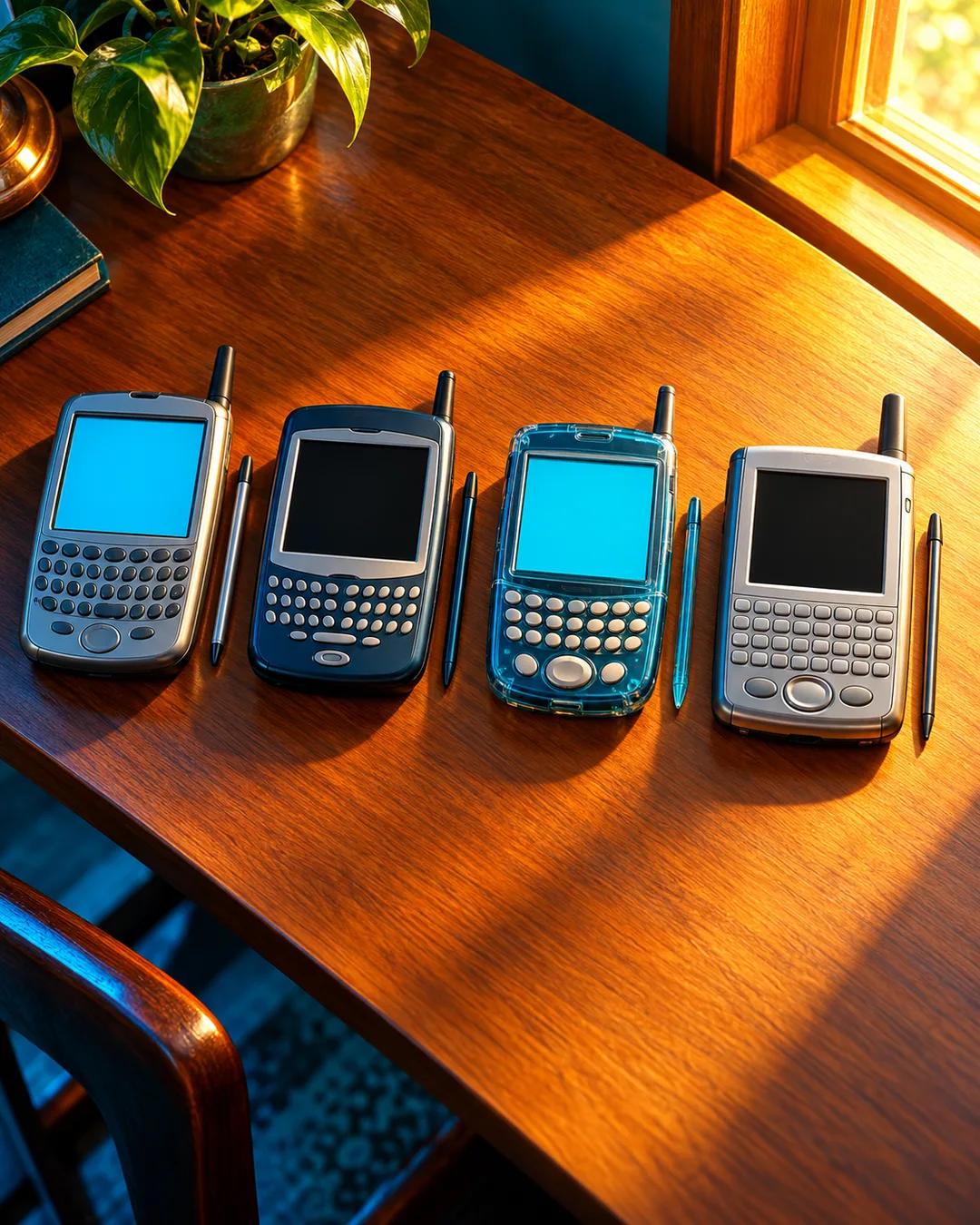
Smartphones before the iPhone were like this. A Palm Treo in 2003 or 2004 and the Sidekick already did a lot, and the technology was mostly there. Multi-touch was missing, but mostly the product ideas that made the iPhone the iPhone were missing.
Two worlds of work
Today people straddle two worlds. They still have a computer they can use the old way, and they have Codex, which can use the computer in an amazing new way, and they are not sure which to use for what. Even the head of OpenAI has used computers the same way for twenty years: clicking around, pasting between messaging apps, scrolling through email, and keeping a to-do list.
Revealed preference
If asked, he would say he does not like working that way, and he would mean it. By revealed preference, though, he still does it, even though Codex could handle the stack of emails and the to-do list faster. An ingrained sense of what work looks like holds on, and the gap is mostly a product failure.
What did the iPhone change about phones?
Apple introduced the iPhone in January 2007 with a capacitive multi-touch screen that replaced the stylus and the physical keyboard. Its browser rendered full web pages rather than cut-down mobile versions. The App Store opened in July 2008 with about 500 applications. Outside developers could then build software for the phone, which turned it into a general-purpose computer.
How did the Treo and Sidekick shape phones?
Palm's Treo 600, released in 2003, combined a phone, an address book, email, and a web browser in one device. The T-Mobile Sidekick, built by Danger, appeared in 2002 with a swivel screen, a full keyboard, and always-on data. Both showed that people wanted email and the web in their pocket. Neither had a touch interface as the iPhone did, and each relied on buttons, a keyboard, or a stylus.
Why do people stick with old ways of working?
Economists distinguish between what people say they prefer and what their choices show. The idea of revealed preference was introduced by Paul Samuelson in 1938. It holds that actual behavior is better evidence of preference than stated opinion. Research by William Samuelson and Richard Zeckhauser in 1988 documented a status quo bias, a measurable tendency to stay with the current option.
More from David Senra