Korva is a scroll of the internet’s best ideas.
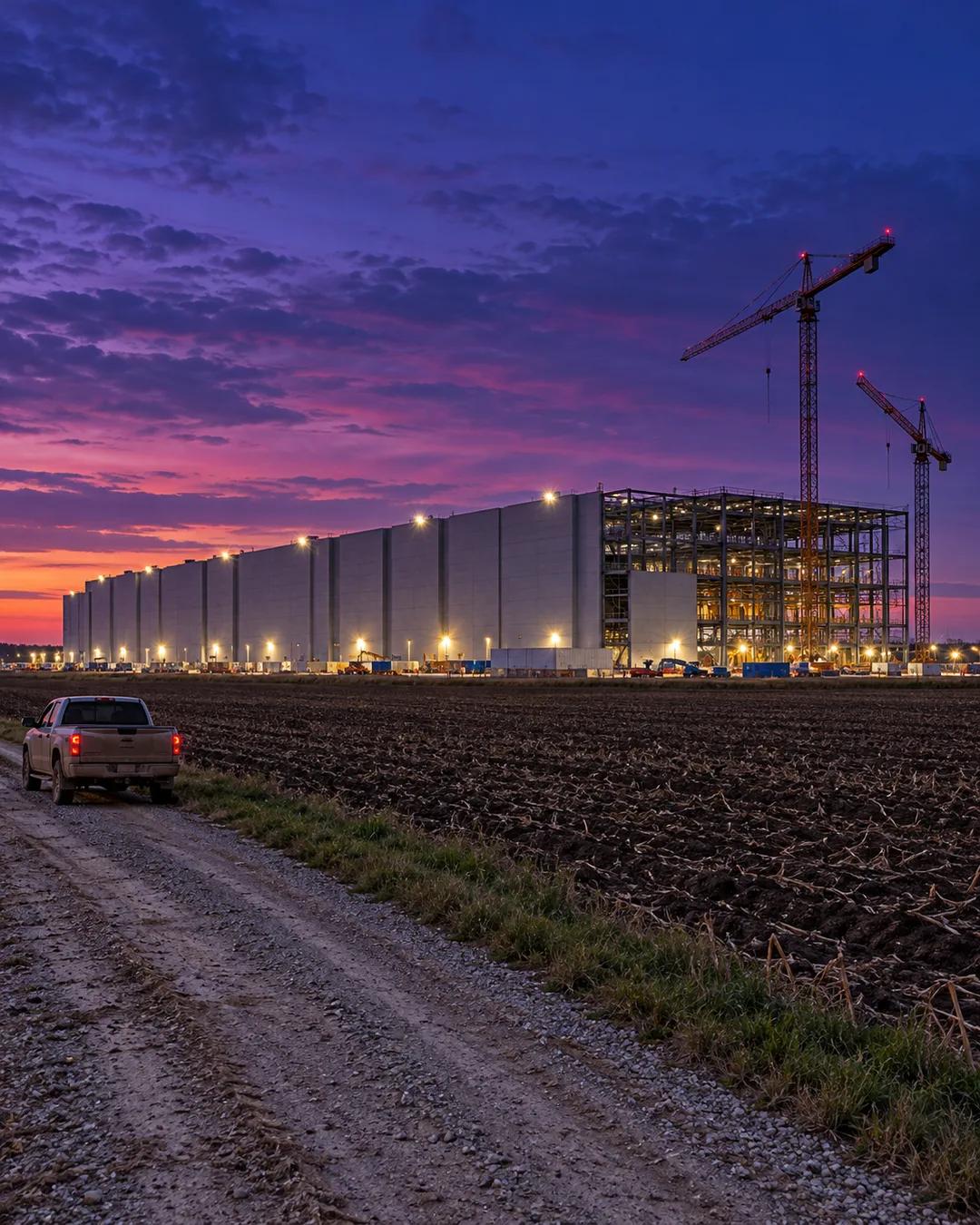
AI spending needs real-world returns

The funding question
Markets now worry about how to pay for all of this, because scaling the models to where they should be in ten or twenty years means running into the trillions of dollars of investment. Companies can borrow against future cash flows, but those cash flows have to show up first. Financing it requires a return in the real economy.
High-return uses
That return comes from high-ROI uses: taking toilsome work like data entry and process-oriented tasks off team members and freeing their time for customers and growth. Deploying frontier intelligence into real businesses then generates cash that flows back into scaling the models.
Why deployment is slow
Deployment is the slow part. The technology changes faster than human behavior, and the bottleneck is changing what people actually do, through legacy systems, legacy data, and workflows that have to be rebuilt.
Why does AI need so much electricity?
Training and running large models takes tens of thousands of specialized chips working in data centers. Each chip draws power, and the buildings need cooling and backup systems around them. The International Energy Agency estimated in 2025 that data centers used about 415 terawatt-hours of electricity in 2024, roughly 1.5 percent of global consumption.
Why do new technologies pay off slowly?
Economist Paul David made this case in his 1990 paper The Dynamo and the Computer. Factories began using electric motors in the 1880s, but productivity gains did not show up widely until the 1920s. The gains came only after owners redesigned factory floors, replacing one central steam engine and belt system with machines that each had their own motor. The delay was in rebuilding how work was organized.
More from David Senra