Korva is a scroll of the internet’s best ideas.
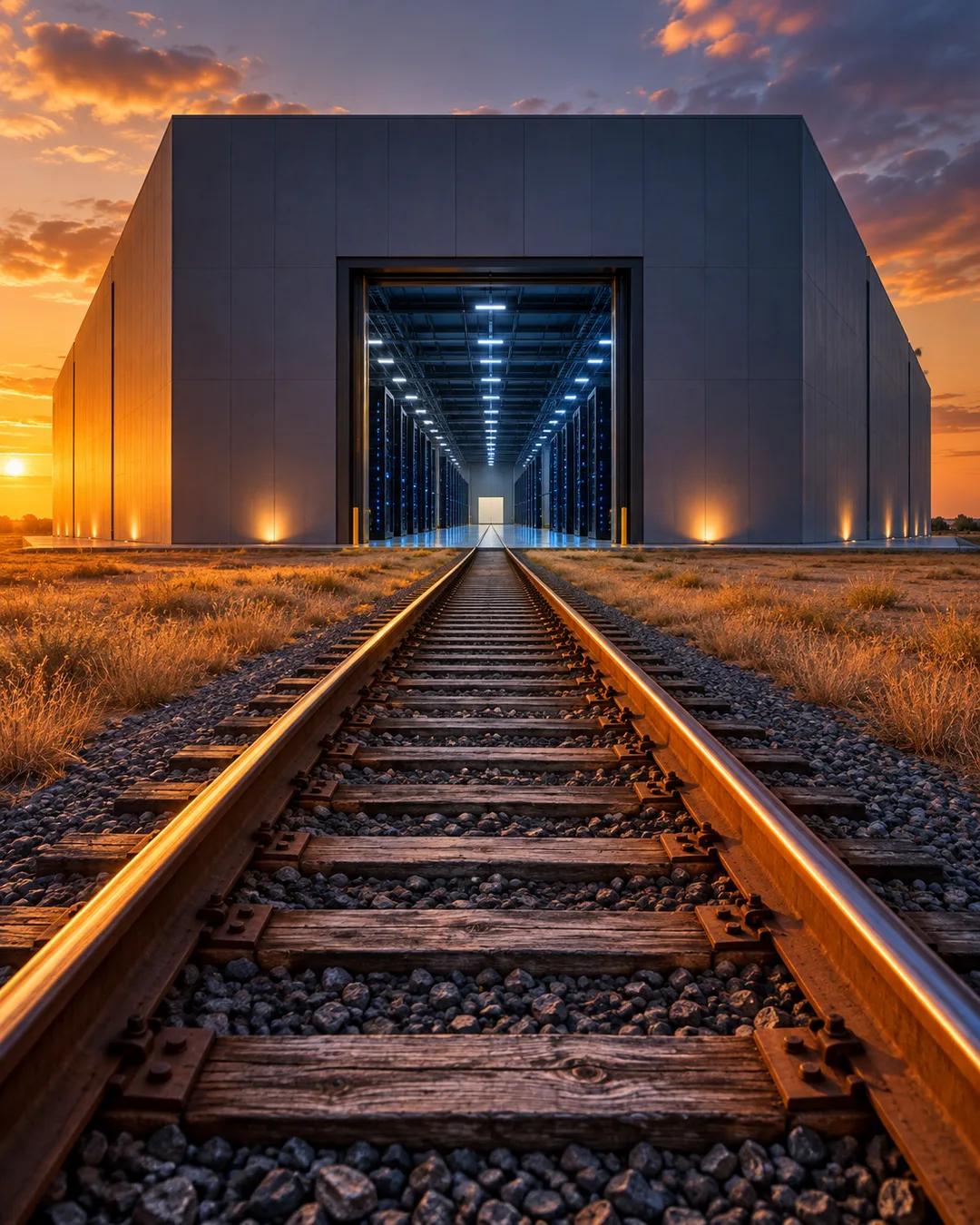
AI spending outweighs the railroads

Infrastructure buildouts that take more than 2 or 3 percent of GDP typically end in a crash two or three years later, because the spending can't be justified economically. The AI boom differs from earlier tech booms like Facebook, Instagram, and DoorDash. It is a supply side story about making chips, building data centers, and powering them, so money is creating the demand for energy rather than the other way around.
The numbers show the scale. The IEA reports that data center electricity demand grew 17 percent in 2025, against just 3 percent growth in overall global electricity demand, and projects it will double by 2030, with AI focused centers tripling.
The five biggest tech companies spent more on capex in 2025 than the entire global oil and gas industry invested in production. That attention has already moved down the supply chain toward energy, and among the best performing stocks of the last three or four years is Bloom Energy.
Why do infrastructure booms end in crashes?
Investors pour money into building capacity before demand can be measured, and competing builders all expand at once. Britain's Railway Mania peaked in 1847, when railway investment was a very large share of national income, and share prices collapsed soon after. The Panic of 1873 in the US followed an overbuilt railroad boom and shut down hundreds of banks and railroads.
What happened to the fiber boom of the 1990s?
Telecom companies laid huge amounts of fiber-optic cable in the late 1990s, expecting internet traffic to double every few months. Demand grew far more slowly, and a large share of the installed fiber sat unused, known as dark fiber. Many carriers went bankrupt around 2001 and 2002, and the cable was later put to work as traffic caught up.
Why do AI chips draw so much electricity?
A single modern AI accelerator can draw several hundred watts, and some draw more than a thousand. Data centers stack thousands of them in racks, and nearly all of that electricity ends up as heat. Cooling systems then consume additional power to move that heat out of the building.
More from The Prof G Pod with Scott Galloway